

Understanding the Slow Decorating Philosophy
Slow decorating is the mindful antidote to fast furniture and fleeting trends. Instead of rushing to fill a space, this approach prioritizes patience, quality, and individuality. It’s about thoughtfully considering how you want a room to feel and function
over time, gradually acquiring meaningful pieces that hold personal significance. This philosophy encourages a more sustainable and intentional way of living, where your home becomes a curated collection of items you genuinely love, rather than a showroom of impulsive buys. The goal is to create an authentic, functional space that evolves with you, reflecting your values and lifestyle.
The Benefits of a Gradual Approach
Embracing a slower pace has significant advantages. Firstly, it’s far more budget-friendly. Spreading out purchases over months or even years alleviates financial pressure and reduces the risk of buyer's remorse. This extended timeline also allows you to discover and refine your personal style, leading to a more timeless and cohesive space. By making deliberate choices, you are more likely to invest in high-quality, durable items and even explore secondhand or handmade pieces, which is a more sustainable practice. Ultimately, this method results in a home with more personality—a space that tells your unique story.
Phase 1: Establishing the Foundation
Every great room starts with a solid foundation. Before you even think about decorative accessories, focus on the 'bones' of the space. This means making decisions about wall colours, flooring, and window treatments. These elements set the overall mood. Once the backdrop is established, the next step is to identify and purchase your primary, largest piece of furniture. In a living room, this is typically the sofa; in a bedroom, it's the bed and frame. This 'jumping off' piece will act as the anchor for the entire room, influencing all subsequent furniture and decor decisions.
Phase 2: Adding Functional Layers
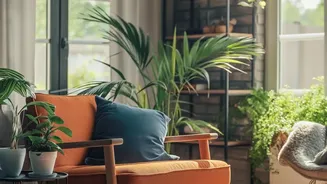
With the anchor piece in place, you can begin to layer in other essential, functional items. Think about how you use the room daily and what you need to make it comfortable and practical. In a living room, this could mean adding a coffee table, side tables, and perhaps a comfortable armchair or two for conversation. For a bedroom, this stage might involve adding bedside tables and a dresser for storage. This is also the time to address primary lighting needs, such as a main ceiling fixture or essential floor lamps. The focus here is on function and flow, ensuring the room works for your everyday life.
Phase 3: Weaving in Personality and Detail
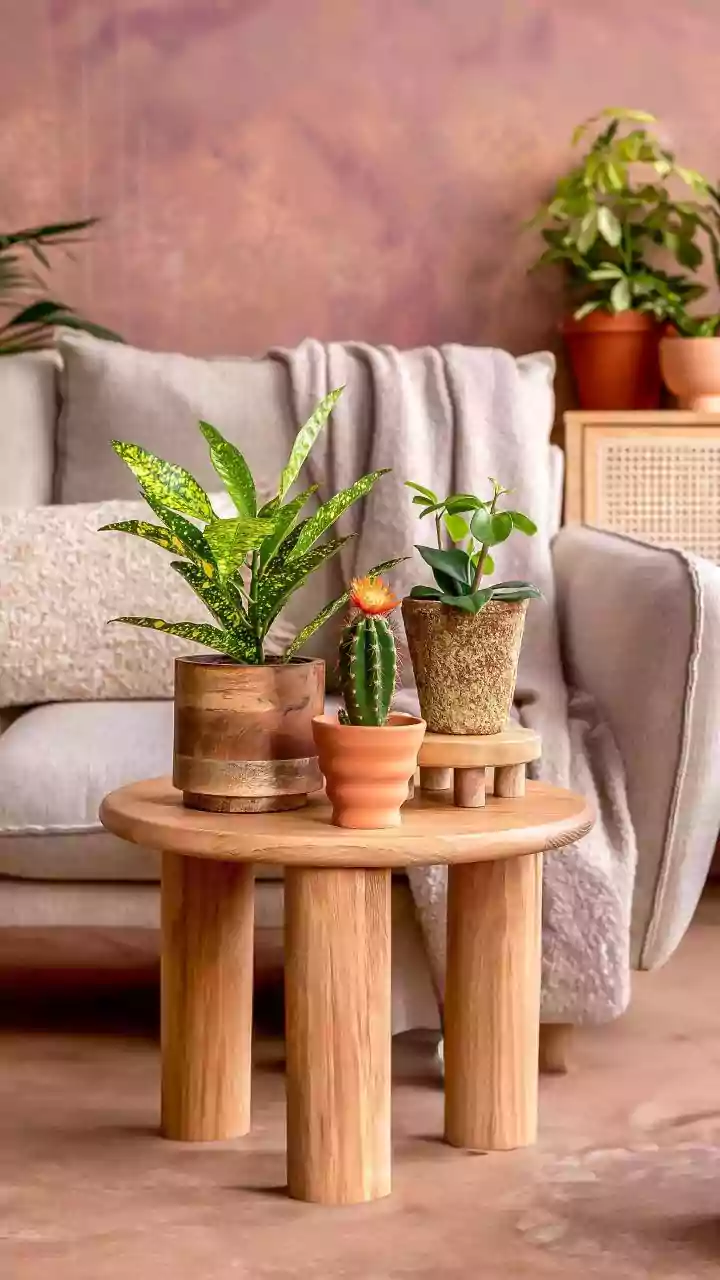
This is the final and most personal phase, and in many ways, it’s a stage that never truly ends. Now you can start adding the elements that make a house feel like a home. This includes textiles like a beautiful area rug, curtains, and throw pillows that introduce texture and colour. It's also when you bring in artwork that speaks to you, photographs of loved ones, cherished objects from your travels, and houseplants to add life. Don't rush this part. Let these items come into your life organically. This patient curation is what transforms a functional room into a space that is uniquely and authentically yours.