

Upgrade Your Cookware
One of the most effective ways to reduce oil consumption is by using the right tools. A high-quality non-stick or well-seasoned cast-iron pan can drastically cut down on the amount of oil needed to prevent food from sticking. Traditional steel or aluminium
pans often require a generous coating of oil, but modern non-stick surfaces are designed to cook food evenly with minimal fat. While it's a one-time investment, upgrading your primary kadai or frying pan can lead to daily savings, potentially reducing your oil usage by up to 70% for certain dishes. Think of it as a long-term strategy for both your wallet and your health.
Change Your Cooking Method
Frying isn't the only way to cook. Embracing other methods can eliminate the need for oil entirely while opening up new flavours and textures. Steaming, for example, uses only water vapour to cook vegetables, fish, and dumplings like idlis and dhoklas, preserving nutrients without adding any fat. Baking and roasting are other excellent alternatives. Instead of deep-frying samosas or pakoras, try baking them. A light brush of oil or a quick spritz can still achieve a crispy finish, but you'll use a fraction of the amount compared to deep-frying. Modern appliances like air fryers are also game-changers, using hot air to crisp up foods with little to no oil.
Use a Spray Instead of Pouring
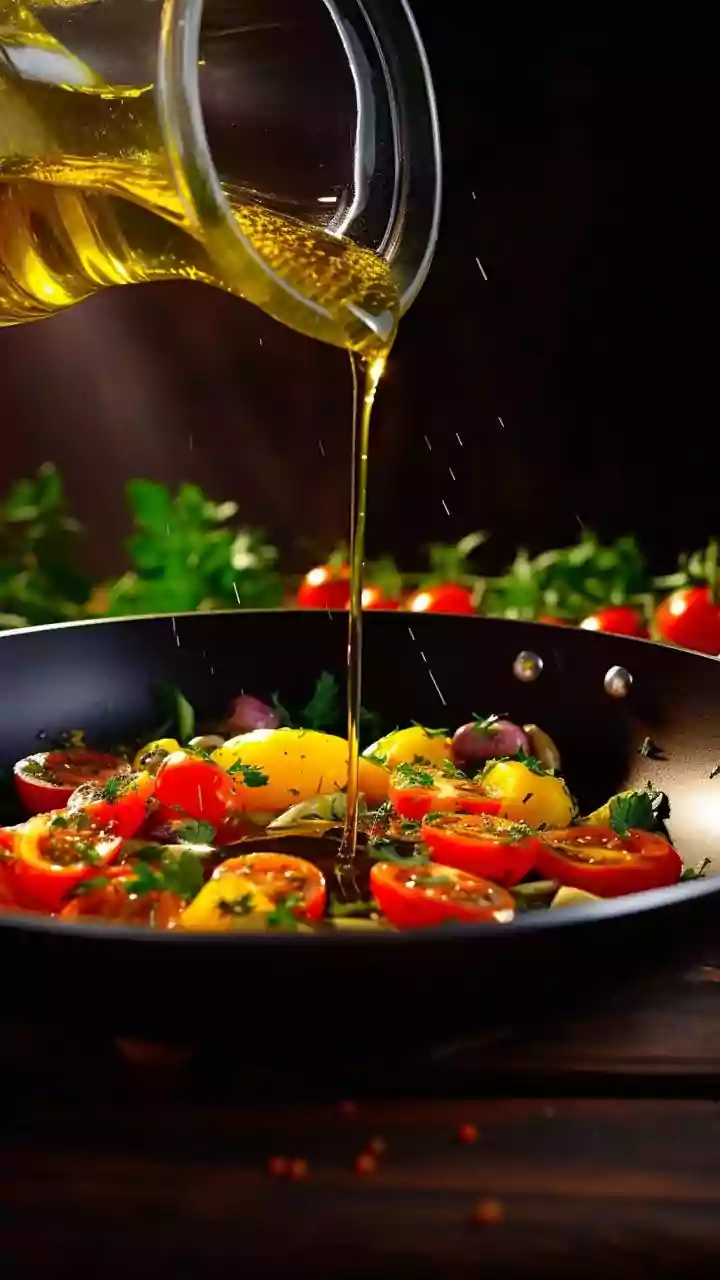
The simple act of pouring oil directly from the bottle is often where we use far more than necessary. A free pour can easily add one or two tablespoons of oil when only a teaspoon is needed. A highly effective trick is to switch to an oil spray bottle. You can buy a reusable one and fill it with your preferred cooking oil. A few seconds of spraying creates a fine, even mist that covers the entire surface of a pan using significantly less oil—sometimes up to 80% less for a single meal. This gives you the same golden base for your tadka or sautéed vegetables without the excess calories and cost.
Sauté with Water or Broth
When you're sautéing onions or vegetables and the pan starts to look dry, the natural instinct is to add more oil. Instead, try adding a splash of water or vegetable broth. This technique, known as deglazing, lifts the flavourful browned bits from the bottom of the pan and adds moisture, allowing the food to continue cooking without any extra fat. Just one or two tablespoons of liquid is usually enough to prevent sticking and burning. Not only does this save oil, but using vegetable broth can also add an extra layer of flavour to your dish, making it richer and more complex.
Make Smart Ingredient Swaps
Many recipes can be made healthier and more economical with a few clever substitutions. For marinades that call for a lot of oil, try using yogurt or curd. It helps tenderise meat and vegetables while adding a creamy texture. In baking, unsweetened applesauce, mashed bananas, or prune puree can often replace oil in equal amounts, adding moisture and natural sweetness. When making rich curries like korma or paneer butter masala, a paste made from cashews or almonds can provide the creamy, luxurious texture you're looking for without relying heavily on oil or butter. These swaps not only cut down on fat but also add extra nutrients to your meals.
Dry Roast Your Spices
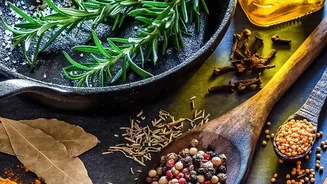
A common first step in many Indian recipes is to bloom whole spices in hot oil to release their aromatic compounds. While effective, this isn't the only way. You can achieve a similar, if not more intense, flavour by dry roasting your spices in a pan over low to medium heat. Toasting cumin seeds, coriander seeds, or whole red chillies until they become fragrant deepens their flavour before you grind them or add them to the dish. For a tadka, you can still get cumin or mustard seeds to pop using just a tiny fraction of oil—as little as 1/8 of a teaspoon—in a very hot pan.