






The Serving Size Illusion
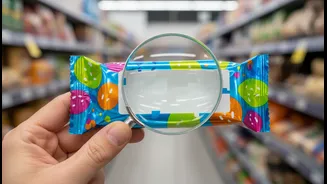
It's a familiar scenario for any health-conscious shopper in India. You pick up a packet of biscuits or a bottle of juice, glance at the label, and see a reasonable calorie number. Satisfied, you add it to your cart. The problem is, that number is often
tied to a serving size that is unrealistically small. For instance, a packet of chips might list calories for a serving of 10 chips, when most people would consume the entire bag in one go. According to the Food Safety and Standards Authority of India (FSSAI), all nutritional information is based on a declared serving size. However, a common consumer trap is not checking how many of these servings are in the container. If a packet contains three servings and you eat the whole thing, you've consumed triple the listed calories, fat, and sugar.
Who Decides the Serving Amount?
Serving sizes are determined by manufacturers, guided by FSSAI regulations. These sizes are supposed to reflect the amount 'customarily consumed' in one sitting. However, this can be subjective and sometimes works in the manufacturer's favour. By listing a smaller serving size, the calorie and sugar content per serving appears lower, making the product seem healthier than it is. For example, a small chocolate bar might be listed as two servings, or a 200ml soft drink might be broken down into 100ml servings, even though most people consume the entire unit. This discrepancy is something the Indian Council of Medical Research (ICMR) has warned consumers about, noting that claims on packaging can often be misleading.
Serving Size vs. Portion Size
It's crucial to understand the difference between a 'serving size' and a 'portion size'. A serving size is the fixed amount defined on the Nutrition Facts label. A portion size is the amount of food you actually choose to eat. Your portion might be two or three times the official serving size. For example, the label on a box of breakfast cereal may define one serving as half a cup, but if you fill a large bowl, your portion size is much bigger. The goal for mindful eating is to become aware of the recommended serving size and adjust your portion accordingly, or at the very least, understand the full nutritional cost of the portion you've chosen to eat.
A Smart Shopper's Guide to Labels
Becoming a savvy consumer starts with flipping the pack and ignoring the flashy claims on the front. First, always look for the serving size and the 'servings per container' right at the top of the nutritional panel. If you know you'll eat the whole package, do a quick multiplication to understand the total calories. Second, check the ingredient list. Ingredients are listed in descending order by weight, so the first three items make up most of the product. If sugar or refined flour (maida) are at the top, it's a red flag. Finally, use visual cues to manage your portions at home. Experts suggest using your hand as a guide: a fist is about one cup of vegetables, the palm of your hand is a three-ounce portion of meat, and a thumb is about a tablespoon.