








From Pet Owner to Pet Parent
The single most significant driver is a profound cultural change: the humanization of pets. For a growing number of Indians, particularly in urban centres, a pet is no longer just an animal that lives in the house; it's a cherished member of the family.
This shift from 'pet owner' to 'pet parent' is fundamental. When you see your pet as a child, your spending habits change dramatically. You're no longer just providing basic sustenance. You're investing in their health, happiness, and well-being. This emotional upgrade is the engine powering the entire industry, justifying higher spending on everything from food to accessories.
The Rise of Premium Products
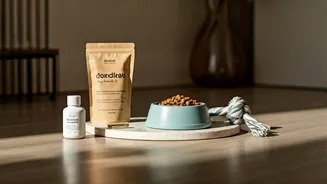
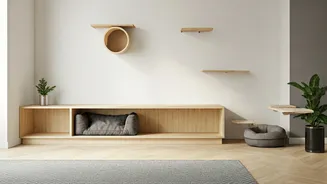
Following the 'pet parent' trend is the demand for better products, a phenomenon known as premiumization. Standard, mass-produced pet food is no longer enough. Today's pet parents are seeking out specialized diets: grain-free formulas, breed-specific nutrition, and even organic or freshly cooked meals delivered to their doorsteps. This extends beyond food. The market is now flooded with premium accessories like orthopaedic beds, smart toys, GPS trackers, and designer apparel. Consumers are willing to pay more for products they believe offer superior quality, safety, and comfort for their furry family members, mirroring the trends seen in the baby care market.
An Explosion of Services
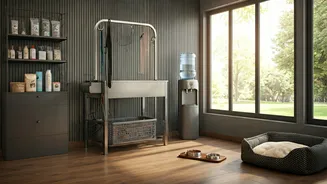
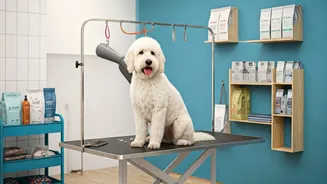
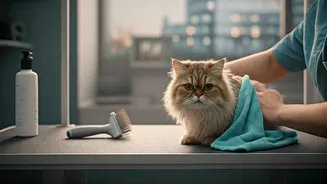
It's not just what pet parents are buying, but the services they're paying for. A decade ago, veterinary care was the primary service. Today, the landscape is unrecognizable. We have professional grooming salons offering 'peticures' and spa treatments, doggy daycare centres for working professionals, and boutique pet-friendly hotels. The service sector also includes specialised trainers for behavioural issues, canine swimming pools for exercise, and even pet insurance to cover unexpected medical costs. This expansion into a full-fledged service economy shows the maturity of the market and opens up multiple new revenue streams.
Demographics and Urban Loneliness
Key demographic shifts are also at play. As more young Indians move to cities for work, they often live in nuclear families or alone, far from their extended relatives. This has contributed to a rise in urban loneliness. Pets, especially dogs and cats, have become crucial companions, offering unconditional love and emotional support. Millennials and Gen Z, who are often delaying marriage and children, are pouring their disposable income and nurturing instincts into their pets. This demographic is digitally savvy, influenced by social media trends ('petfluencers'), and comfortable shopping online, which has fuelled the growth of direct-to-consumer (D2C) pet care brands.
The Startup and Investor Boom
Where there's demand, capital follows. The Indian pet care space has witnessed a surge in startup activity and investor interest. Entrepreneurs are spotting gaps in the market and launching innovative D2C brands that offer better products and greater convenience than legacy players. Companies like Heads Up For Tails have become unicorns, while numerous smaller startups focusing on fresh food, grooming services, and tech-enabled solutions are attracting venture capital funding. This influx of investment is not only creating more choice for consumers but is also helping to formalise and organise a previously fragmented industry, pushing it towards its next growth milestone.