






The Twin Culprits: Heat and Humidity
The primary reason your food spoils faster in the summer can be boiled down to two environmental factors: increased temperature and higher humidity. Most common household moulds are biologically programmed to thrive in warm, humid conditions, often between
21°C and 32°C. During cooler, drier months, these mould spores remain relatively dormant. But when the warm, moist air of July settles in your kitchen, it creates the perfect breeding ground for them to multiply rapidly. Food can spoil two to three times faster in these conditions compared to the winter.
A Perfect Playground for Mould
If heat is the engine for mould growth, humidity is the fuel. Mould spores, which are a type of fungi, are always present in the air and on surfaces, waiting for the right conditions to grow. High humidity provides the moisture they need to flourish on the surface of foods. Items like bread, with their porous structure, are particularly vulnerable. As bread releases moisture in a warm kitchen, that water gets trapped on the surface, especially if it's in a plastic bag where condensation can form. This creates a micro-environment that is a paradise for fungal spores, allowing them to establish themselves and send roots deep into the food.
Beyond Mould: Changes in Texture and Taste
Mould is the most obvious sign of spoilage, but heat and humidity affect food in other ways, too. High moisture in the air can be absorbed by dry, crispy foods like crackers, biscuits, and cereals, causing them to lose their crunch and become soggy and stale. On the other hand, bread might become overly soft and pulpy. This absorption of moisture changes the food's texture and can degrade its flavour long before any visible mould appears. These changes happen because the excess moisture in the air disrupts the food's natural moisture balance, leading to undesirable changes in its structure.
What Foods Are Most at Risk?
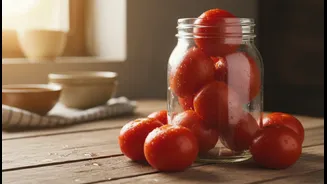
While bread is a classic example, it’s far from the only victim of summer spoilage. As a general rule, the more moisture and sugar a food contains, the faster it will spoil in the heat. Berries, like strawberries and raspberries, are particularly delicate and can go from fresh to fuzzy in record time. Other fruits like tomatoes, often kept on the counter, will also mould much faster at the stem in a hot kitchen. Even baked goods like cakes and muffins, which you might leave under a dome, are at high risk. Any food left exposed to the warm, damp air becomes a target.
Fighting Back: Smart Storage Strategies
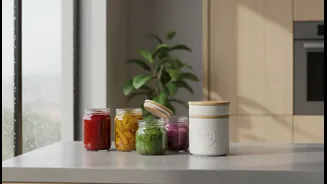
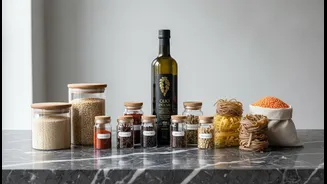
While you can’t change the weather, you can adjust your storage habits to extend the life of your food. Using airtight containers is one of the most effective strategies. Glass or stainless steel containers with secure seals create a barrier against the damp air, keeping dry goods like flour, grains, and snacks fresh. For bread, a traditional bread box can help regulate humidity better than a plastic bag. Storing bread in the refrigerator is a debated topic; while it slows mould growth, it can also speed up the staling process. For longer-term storage, the freezer is your best friend, as it effectively halts microbial growth. Finally, consider investing in moisture-absorbing packets or a small dehumidifier for your pantry if you live in a particularly humid climate.