



The Gassy Culprit in the Pantry
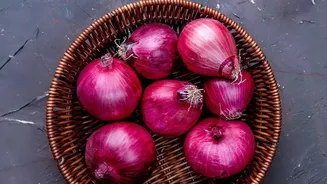
The primary reason you should divorce your onions from your potatoes is a chemical one. Onions, as part of their natural lifecycle, produce and release ethylene gas. Ethylene is a plant hormone that acts as a ripening agent. Many fruits and vegetables
produce it, but onions are particularly potent emitters in the pantry. When other produce is exposed to this gas, it accelerates their aging process. For your potatoes, this is bad news, as the gas signals them to start sprouting long before they otherwise would.
The Sensitive Nature of Potatoes
Potatoes are highly sensitive to ethylene. Exposure to the gas from nearby onions triggers them to break dormancy, leading to the premature growth of 'eyes' or sprouts. While sprouted potatoes can often be salvaged by cutting away the sprouts and any green parts, they are already past their prime in terms of texture and flavour. The ethylene can also cause them to soften and shrivel more quickly. Keeping them far away from ethylene-producing items is key to making them last.
A Two-Way Street of Spoilage
This isn't just a one-sided problem where the onion is the villain. Potatoes contribute to the issue in a different way: moisture. Potatoes have a high water content and release moisture into their surrounding environment. Onions, on the other hand, need to be kept in a dry environment to stay fresh. When stored next to moist potatoes, onions are prone to absorbing that dampness, which can cause them to become soft, mushy, and even develop mould. Essentially, they create a micro-climate that is detrimental to each other, shortening the shelf life for both.
The Ideal Way to Store Potatoes
To give your potatoes the longest possible pantry life, think cool, dark, and well-ventilated. The ideal temperature range is between 45 to 55 degrees Fahrenheit (or about 7 to 13 degrees Celsius). A dark cupboard, a cool corner of the pantry, or a basement are all excellent locations. Avoid direct sunlight, which can cause the skins to turn green and develop a bitter taste. Store them in a paper bag, a mesh bag, or a basket that allows for air circulation. Do not wash potatoes before storing, as the moisture can encourage spoilage; simply brush off excess dirt and wash them just before you’re ready to cook.
How to Properly Store Onions
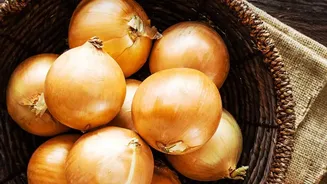
Onions also prefer a cool, dry, and dark environment with good air circulation. A mesh bag, a wire basket, or even an old pair of pantyhose works perfectly, allowing air to move freely around the bulbs and prevent moisture buildup. Never store whole onions in a plastic bag, as the lack of airflow will trap moisture and accelerate rot. While they share similar storage needs to potatoes in terms of temperature and light, their opposing needs for humidity and their gas production make them terrible roommates. The simple solution is to keep them in separate, well-ventilated containers on different shelves of your pantry.
Beyond Onions and Potatoes
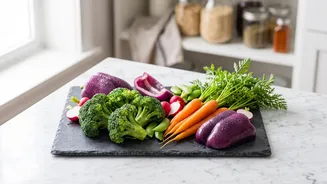
The ethylene gas principle applies to other produce as well. Ethylene producers include not just onions, but also apples, bananas, avocados, and tomatoes. Keep these away from ethylene-sensitive produce like leafy greens, broccoli, carrots, and, of course, potatoes. Separating your fruits and vegetables based on their ethylene production and sensitivity is a pro-level tip for a well-managed kitchen. It ensures everything stays fresher for longer, stretching your grocery budget and minimising unnecessary food waste.