

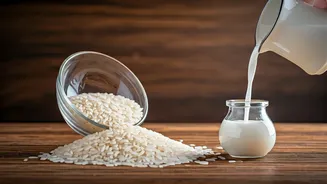




An Ancient Secret Gone Viral
Before it was a viral TikTok trend, rice water was a beauty secret treasured for centuries across Asia. For generations, women in China, Japan, and Korea have used the starchy water left over from rinsing rice to cleanse their faces and wash their hair.
The famed Yao women of Huangluo village in China, for example, are renowned for their exceptionally long, healthy hair, a trait they attribute to bathing it in fermented rice water. This historical precedent gives the trend a layer of authenticity that many modern fads lack. It’s not about a new chemical discovery, but the rediscovery of a simple, time-tested tradition that feels both accessible and effective.
The Science Behind the Splash
So, what’s actually in this cloudy liquid that makes it so special? Rice water is packed with nutrients that are beneficial for the skin and hair. It contains a cocktail of vitamins, minerals, and amino acids. One of its star components is inositol, a carbohydrate that has been studied for its ability to repair damaged hair and protect it from further harm. For skin, rice water delivers antioxidants like ferulic acid, which helps fight off environmental damage from pollution and UV rays. It’s also rich in allantoin, a compound known for its soothing and anti-inflammatory properties, making it gentle enough for sensitive or irritated skin. While research is still emerging, the chemical makeup of rice water provides a strong scientific basis for its celebrated benefits.
Real Benefits vs. Online Hype
Like any viral trend, the claims around rice water can sometimes be exaggerated. It’s not a miracle cure for all skin woes. However, dermatologists agree it has several tangible benefits. Its starch content can help tighten and tone the skin, providing a temporary smoothing effect. The anti-inflammatory properties make it excellent for calming redness and soothing conditions like eczema or acne. Many users report brighter, more even-toned skin with consistent use, likely thanks to the vitamins and antioxidants. For hair, it can increase elasticity, reduce friction, and add shine. Think of it as a gentle, nourishing supplement to your routine rather than a powerful, transformative treatment. It supports skin barrier health and provides a soft glow, but it won’t replace your retinoids or vitamin C serums for major concerns.
DIY Darling or Product Powerhouse?
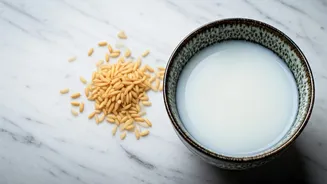
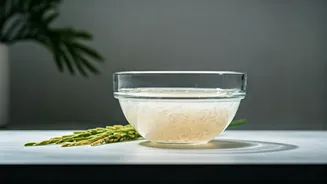
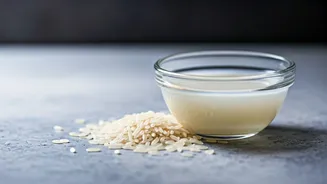
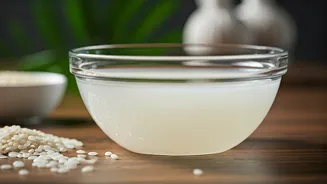
The easiest way to try rice water is to make it yourself. Simply rinse half a cup of uncooked rice with water, then soak it in about two cups of water for 30 minutes. Strain the water into a clean jar, and it’s ready to use. For a more potent version, you can let it ferment at room temperature for 12-24 hours. However, the DIY route has its downsides. Homemade rice water is not preserved, meaning it can grow bacteria quickly and must be refrigerated and used within a week. Fermentation can also be tricky to control. For a safer and often more effective option, consider professionally formulated products. Skincare brands are now infusing rice water and its fermented version (often called Sake) into toners, essences, and cleansers. These formulas are stabilised for a longer shelf life and are often combined with other beneficial ingredients for enhanced results.
How to Use It in Your Routine
Incorporating rice water is simple. If you’re using a homemade version, you can apply it with a cotton pad as a toner after cleansing your face. Let it air dry before moving on to your serums and moisturiser. You can also use it as a final hair rinse in the shower, pouring it over your hair, massaging it into your scalp, and leaving it on for 5-10 minutes before rinsing out. If you opt for a store-bought product, simply follow the instructions on the packaging. Because it’s so gentle, most skin types can tolerate rice water well. It's particularly great for those with sensitive or dull skin looking for a natural radiance boost. As with any new product, it's wise to do a patch test first to ensure you don't have a reaction.