

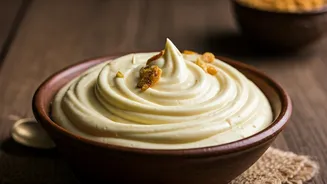



A Dessert with a Rich History
Shrikhand is not just a sweet dish; it's a centuries-old tradition primarily from the western Indian states of Gujarat and Maharashtra. Historical records trace a similar dish, called 'shikharini', as far back as 500 BC. Mentions of this yogurt-based
delicacy appear in ancient texts, including the Kannada text 'Lokopakara' in 1025 AD and the 'Soopa Shastra' cookbook from 1508. Legend suggests a more rustic origin, with travelling herders straining whey from their yogurt to make it easier to carry, then adding sugar to the resulting sour, thick mass. Whether created by ancient chefs or resourceful shepherds, Shrikhand evolved into a festive staple, often served during celebrations like Gudi Padwa, Diwali, and Janmashtami as a symbol of joy and prosperity.
The Heart of Shrikhand: Chakka
The secret to Shrikhand’s signature thick, velvety texture lies in one key ingredient: 'chakka', or hung curd. This is simply yogurt that has had all its whey (the watery part) drained out. The process is crucial for achieving a consistency that is dense and creamy rather than runny. To make chakka, full-fat yogurt is poured into a muslin or cheesecloth, which is then tied up and hung for several hours, or even overnight. The weight of the yogurt and gravity work together to slowly drip the whey out, leaving behind a concentrated, almost cheese-like mass. This is the blank canvas upon which the magic of Shrikhand is built. While traditional, this step is non-negotiable for an authentic result.
The Golden Touch of Saffron
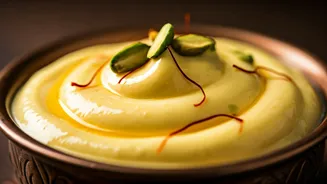
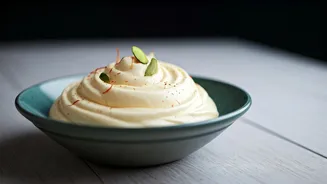
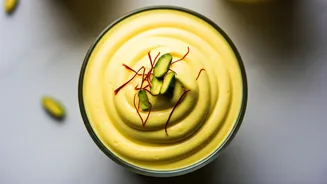
While the chakka provides the body, saffron (kesar) gives the Shrikhand its soul, aroma, and beautiful golden-yellow hue. This prized spice, worth its weight in gold, infuses the dessert with a luxurious and unmistakable flavour. To get the most out of the saffron, the strands are typically bloomed by steeping them in a tablespoon of warm milk for a few minutes before being added to the yogurt base. This simple step helps to release the saffron's full colour and aromatic compounds, ensuring they are evenly distributed throughout the creamy mixture. Paired with the subtle warmth of ground cardamom (elaichi), saffron elevates the Shrikhand from a simple sweet to a truly memorable dessert.
Bringing It All Together
Once the chakka is ready, creating the final dish is remarkably simple. The thick, strained yogurt is transferred to a bowl. Powdered sugar is recommended as it dissolves quickly and prevents the mixture from becoming grainy or too thin from over-mixing. The bloomed saffron milk and ground cardamom are then added. The key is to whisk everything together until it is perfectly smooth and creamy. Some recipes suggest passing the mixture through a fine-mesh sieve for an even more velvety finish. It is important not to over-beat the mixture, especially with an electric beater, as this can cause the yogurt to become runny. Once mixed, the Shrikhand is chilled for at least four hours to allow the flavours to meld and deepen.
Serving and Variations
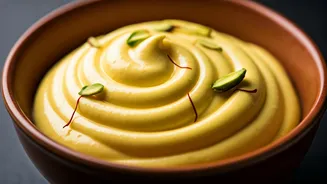
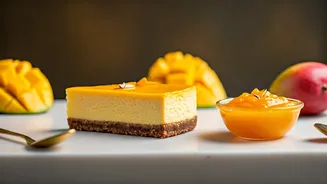
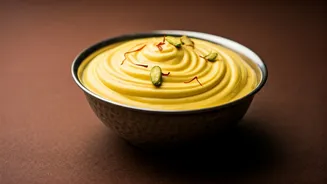
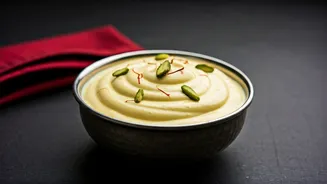
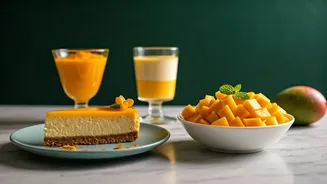
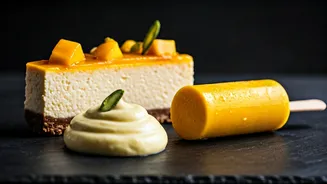
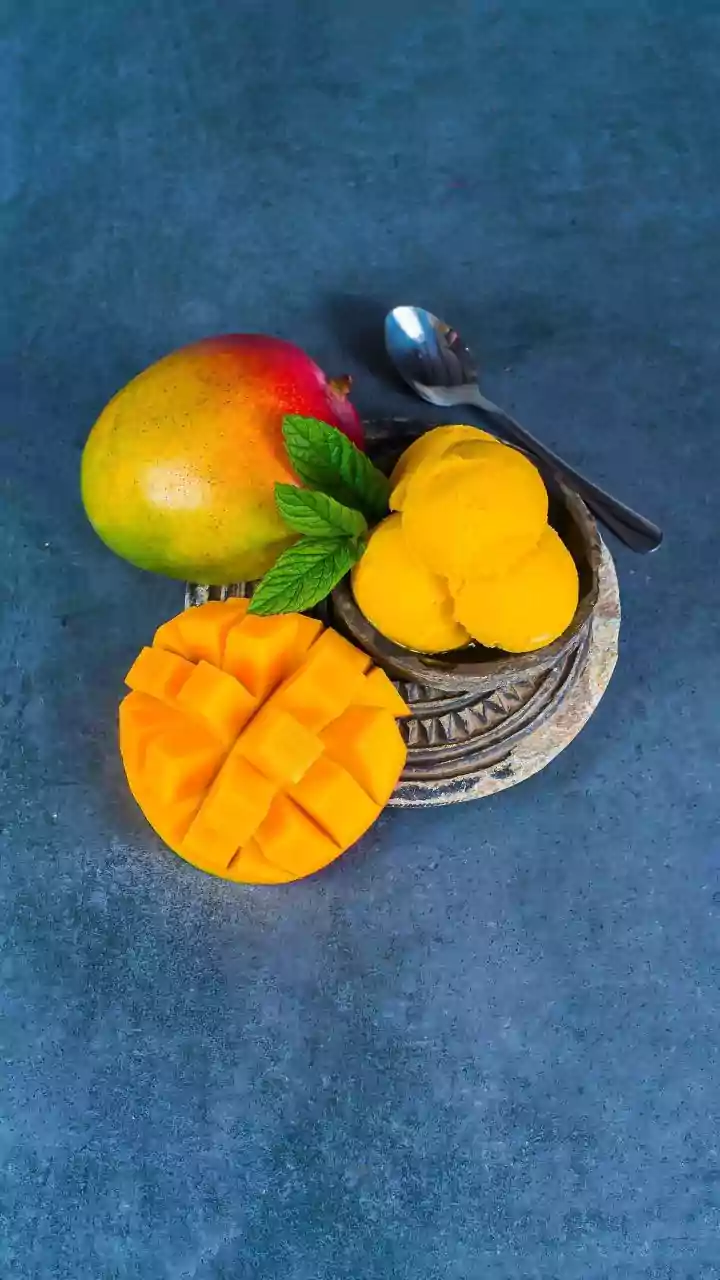
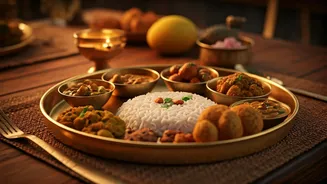
Traditionally, Shrikhand is served chilled, garnished with slivered pistachios and almonds for a delightful crunch. It is famously paired with hot, fluffy puris, creating a classic sweet and savoury combination that is beloved in Maharashtrian and Gujarati thalis. While Kesar Elaichi (saffron-cardamom) is the classic flavour, the versatility of Shrikhand is endless. During the summer, Mango Shrikhand, also known as Amrakhand, is immensely popular, made by folding in sweet mango puree. Other fruit variations like strawberry or pineapple are also enjoyed, as are innovative flavours like rose. No matter the flavour, serving it in individual cups makes for an elegant and inviting presentation.