



A New Culinary Frontier
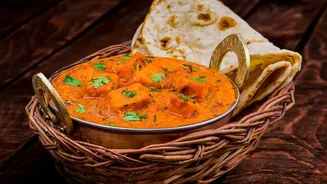
For years, India's urban food scene has been dominated by a familiar rotation of mainstream dishes. But now, a growing appetite for authenticity is changing the menu. Food lovers are looking beyond butter chicken and biryani, seeking flavours that tell
a story. This curiosity has opened the door for a new kind of food entrepreneur, one focused on preserving and sharing the country's most remote culinary traditions. Enter the micro-cloud kitchen, a modern business model that is proving to be the perfect vehicle for this movement. Unlike large, industrial ghost kitchens, these are often small-scale operations, sometimes run by a single family or a small collective. By eliminating the high costs of a traditional restaurant, they can focus on what matters most: the food. This lean model allows them to bring hyper-local, seasonal, and rare dishes from India's tribal heartlands to cities like Delhi, Mumbai, and Bengaluru.
The Taste of Tradition
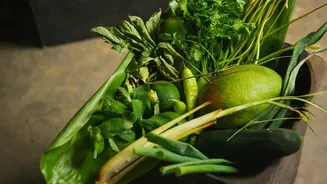
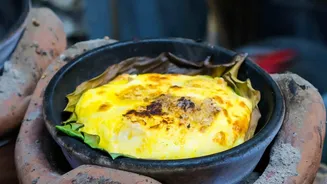
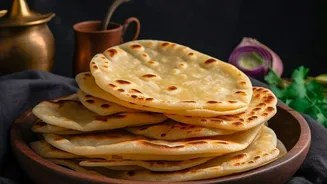
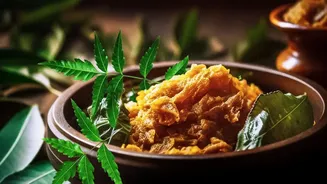
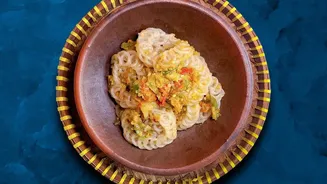
So, what exactly is on the menu? These kitchens are platforms for edible history, serving dishes that are deeply connected to a region's ecosystem. In Jharkhand, entrepreneurs like Aruna Tirkey of Ajam Emba are popularising dishes made with foraged greens and local flowers. The menu might feature chilka roti, a delicate rice batter bread, or a chutney made from the kudrum flower (roselle). Further east, you might find the robust flavours of Naga tribal food or the subtle complexities of Khasi cuisine from Meghalaya. These are not just meals; they are expressions of identity. For instance, some kitchens are reviving delicacies like 'hau' (red ant chutney) from the Ho tribe or 'jill pithe', a special meat-filled bread from the Santhals. Ingredients that were once confined to village markets, like exotic mushrooms, seasonal tubers, and unique leafy greens, are now finding their way into urban homes, offering a taste of India that few have experienced before.
More Than Just a Meal
The rise of these culinary ventures is about more than just satisfying adventurous palates. It represents a vital effort in cultural preservation. Many of these recipes have been passed down orally for generations and are at risk of being forgotten as younger community members migrate to cities. By creating a commercial market for these foods, entrepreneurs are giving tribal communities a powerful economic incentive to keep their traditions alive. This movement fosters a direct farm-to-table link, with many kitchen owners sourcing ingredients directly from local farmers and foragers in their home regions. This not only ensures authenticity but also creates a sustainable value chain that benefits the community at its source. Initiatives like Samvaad, a conclave enabled by the Tata Steel Foundation, have been instrumental in creating an ecosystem for tribal home chefs to gain confidence and even launch startups, viewing their cuisine as a tool for a better future.
The Minds Behind the Menu
The driving force behind this trend is a passionate group of entrepreneurs, home chefs, and cultural advocates. Some, like Aruna Tirkey, are members of the tribal communities whose food they champion, motivated by a desire to see their heritage celebrated. Her restaurant Ajam Emba, which means “delicious taste” in the Kurukh language, was born after she won a cooking competition, inspiring her to popularise the food she grew up with. Others are urbanites who have fallen in love with these lesser-known cuisines and are using their business acumen to build a bridge to city dwellers. They face challenges, from sourcing rare, seasonal ingredients to educating a public unfamiliar with these flavours. Yet, their dedication is paying off. By blending tradition with slight innovations—like introducing a local twist to a familiar format—they are making these ancient foods more approachable for a modern audience.