


A Return to Our Roots
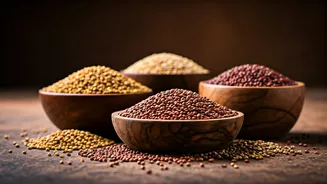
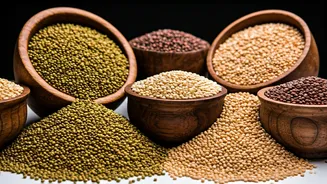
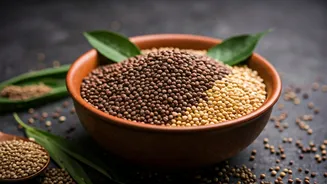
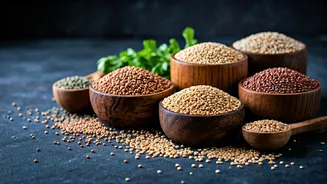
For centuries, millets like jowar, bajra, and ragi were cornerstones of the Indian diet, deeply woven into our culinary heritage. Their presence can even be traced back to the Indus Valley Civilisation, predating rice and wheat. However, with the Green
Revolution in the 1960s, which prioritized high-yield varieties of rice and wheat, these resilient grains were gradually pushed aside. Fast forward to today, and a significant revival is underway. Spurred by a growing awareness of health and wellness, and amplified by initiatives like the International Year of Millets in 2023, Indian households are rediscovering the value of these 'nutri-cereals'. This renewed interest is not just about nostalgia; it is a conscious move towards sustainable, nutritious, and sensible eating.
The Nutritional Powerhouse on Your Plate
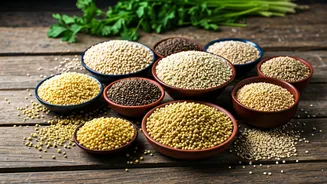
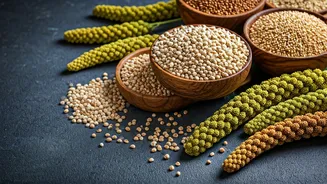
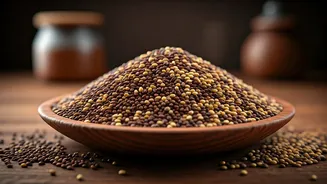
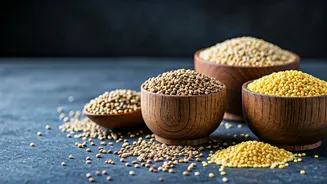
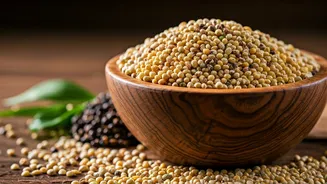
So, why are millets considered a superfood? The answer lies in their dense nutritional profile. They are naturally gluten-free, making them an excellent choice for those with sensitivities. Rich in dietary fibre, they aid digestion, promote gut health, and keep you feeling full for longer, which can help with weight management. Millets also have a lower glycemic index compared to refined grains, meaning they release sugar into the bloodstream more slowly, supporting stable energy levels. Different millets offer unique benefits: Ragi (finger millet) is a fantastic source of calcium, crucial for bone health. Bajra (pearl millet) is packed with iron, helping to combat anaemia, while Jowar (sorghum) is prized for its high fibre and antioxidant content.
A Millet for Every Meal
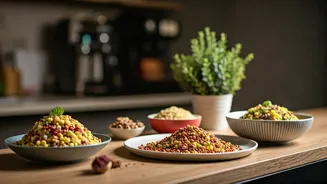
One of the best things about millets is their versatility. They can be seamlessly integrated into every meal of the day. For breakfast, you can swap out regular upma for a version made with foxtail millet or enjoy a nourishing bowl of ragi porridge. Millet flours can be used to make dosas, idlis, and chapatis. For lunch and dinner, millets can easily replace rice in dishes like pulao, khichdi, and curd rice. Barnyard millet, known as 'samak rice', is light and often used in fasting recipes. Traditional Maharashtrian thalipeeth uses a mix of millet flours to create a savoury flatbread, while bajra khichdi is a warming winter comfort food in Rajasthan and Haryana.
Easy Tips to Get Started
Adopting millets doesn't require a complete kitchen overhaul. A great way to start is by making simple swaps. Begin by mixing 50% millet flour (like jowar or ragi) with your regular whole wheat atta for rotis. Try replacing white rice with a millet variety like little millet or foxtail millet once or twice a week. Most millets benefit from being soaked for a few hours before cooking, which helps soften them and improves nutrient absorption. When cooking whole millets, a general rule of thumb is to use one part millet to two parts water for a fluffy, rice-like consistency. You can also add cooked millets to salads for extra texture and nutrition or use millet flakes for a quick and healthy breakfast.
Modern Millets: Beyond the Roti
The millet revival has also sparked culinary innovation. Today, you can find everything from millet-based pasta and noodles to cookies, cakes, and crackers. Entrepreneurs and home bakers are using millet flours to create healthier versions of popular desserts like ragi brownies and bajra cookies. Popped jowar is becoming a popular, healthy alternative to popcorn. These modern interpretations demonstrate that millets are not just for traditional dishes but are a flexible ingredient that can adapt to contemporary tastes, making it easier than ever to enjoy their benefits without compromising on flavour or fun.