




Understanding the Red Alert
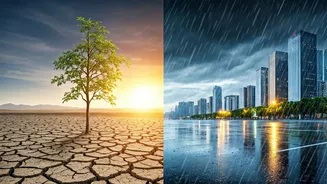
A Red Alert is the highest level of warning issued by the IMD, signifying the need to “Take Action.” It is declared when weather conditions are expected to be extreme and could disrupt life and property. This could be due to various phenomena, including
extremely heavy rainfall (over 204.5 mm in 24 hours), a severe heatwave lasting several days, or other major weather events. The alert system, which also includes green (no advisory), yellow (be aware), and orange (be prepared) levels, is designed to give the public and civic authorities clear, actionable information to manage risks. In short, a Red Alert means the situation is serious and requires immediate precautions.
Leave Earlier, It’s Not a Drill
The most immediate impact of a Red Alert, particularly during the monsoon, is on transportation. Authorities urge citizens to avoid non-essential travel. If you must be out, leaving significantly earlier than usual is critical. Heavy rainfall often leads to severe waterlogging on major roads, bringing traffic to a standstill. Public transport systems like local trains and buses can face delays or route changes due to inundated tracks and streets. As seen in cities like Mumbai and Delhi, even a few hours of intense rain can cause widespread congestion, turning a short commute into a multi-hour ordeal. Surge pricing on ride-hailing apps can also become extreme. Planning for a much longer travel time isn't just about convenience; it’s about avoiding getting stranded in potentially hazardous conditions.
How to Travel Smarter
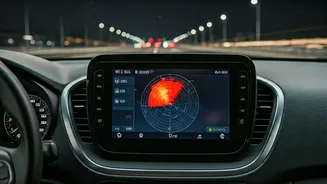
Smart travel during a Red Alert is about planning and staying informed. Before you leave, check real-time traffic updates using navigation apps to identify waterlogged areas and find alternative routes. Monitor official channels like the IMD's website and social media handles for the latest weather updates. If possible, opt for metro services, which are often less affected by waterlogging than road or rail transport. Consider carpooling to reduce the number of vehicles on the road. The best option, if available, is to work from home and avoid travel altogether. Also, ensure your vehicle is in good condition, and if you're on a two-wheeler, wear appropriate rain gear and be extra cautious of slippery roads and poor visibility.
Beyond the Commute: Overall Safety
A Red Alert’s impact extends beyond traffic. Your personal safety is paramount. Authorities advise people to stay indoors and away from vulnerable structures. Strong winds can cause trees or branches to fall, and heavy rain can lead to the collapse of old buildings. During heatwave alerts, the advice is to avoid dehydration and heat stroke by staying hydrated and avoiding strenuous activity outdoors, especially for vulnerable individuals. In all cases, keep an emergency kit ready with essentials like a first-aid box, a fully charged power bank for your phone, dry food items, and drinking water. Protect your important documents and electronics in waterproof bags. Knowing your local disaster management helpline numbers can also be crucial in an emergency.
Stay Informed, Stay Safe
Misinformation can spread quickly during weather emergencies. Rely only on official sources for information. This includes the India Meteorological Department (IMD), the National Disaster Management Authority (NDMA), and official social media accounts of local municipal corporations and police departments. These agencies provide timely and accurate updates on the weather situation, traffic advisories, and any necessary evacuation orders. Avoid sharing unverified news or rumours from social media groups, as this can cause unnecessary panic. Staying correctly informed allows you to make the best decisions for your safety and the safety of your family.