

The Ritual in a Steel Tumbler
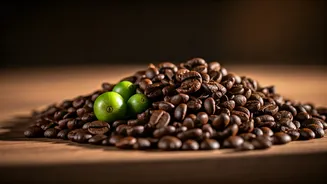
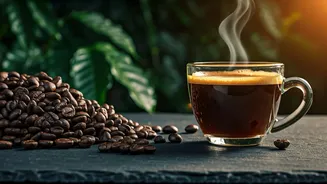
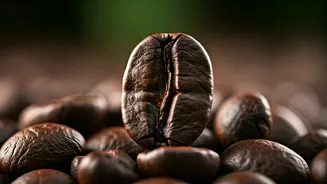
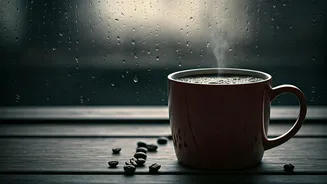
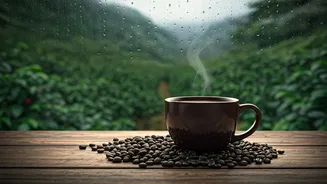
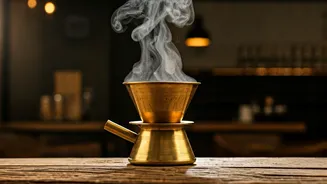
For millions in South India, the day begins not with a rushed espresso shot, but with the unhurried ceremony of making 'kaapi'. It’s a multi-sensory experience: the aroma of dark-roasted coffee beans, often blended with chicory, fills the air as hot water
slowly percolates through a traditional two-chamber metal filter. This creates a thick, potent decoction. This dark liquid is then mixed with hot, frothed milk and sugar, and served in a signature 'dabara' and tumbler set. The artful pouring of the coffee back and forth between the two steel vessels cools it to the perfect temperature while creating a delightful, frothy crown. More than just a caffeine fix, this process is a cherished daily tradition, a symbol of hospitality, and a comforting start to the day that brings families together.
From Kitchen Staple to Cultural Icon
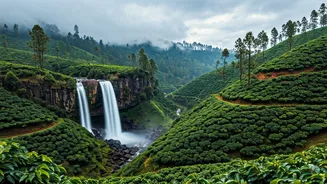
The story of coffee in India dates back to the 17th century, when the Sufi saint Baba Budan is said to have planted seven coffee beans in the hills of Chikmagalur, Karnataka. Over centuries, it wove itself into the fabric of South Indian life, becoming synonymous with warmth and community. While instant coffee brands made a push for convenience from the 1960s onwards, the traditional method held its ground in households. Today, however, something has shifted. In a world of global café chains, a growing number of Indians, particularly younger generations, are looking for more authentic and local experiences. This has sparked a renewed curiosity in our own culinary heritage, transforming filter coffee from a simple household drink into a cultural statement.
The New Wave of Kaapi
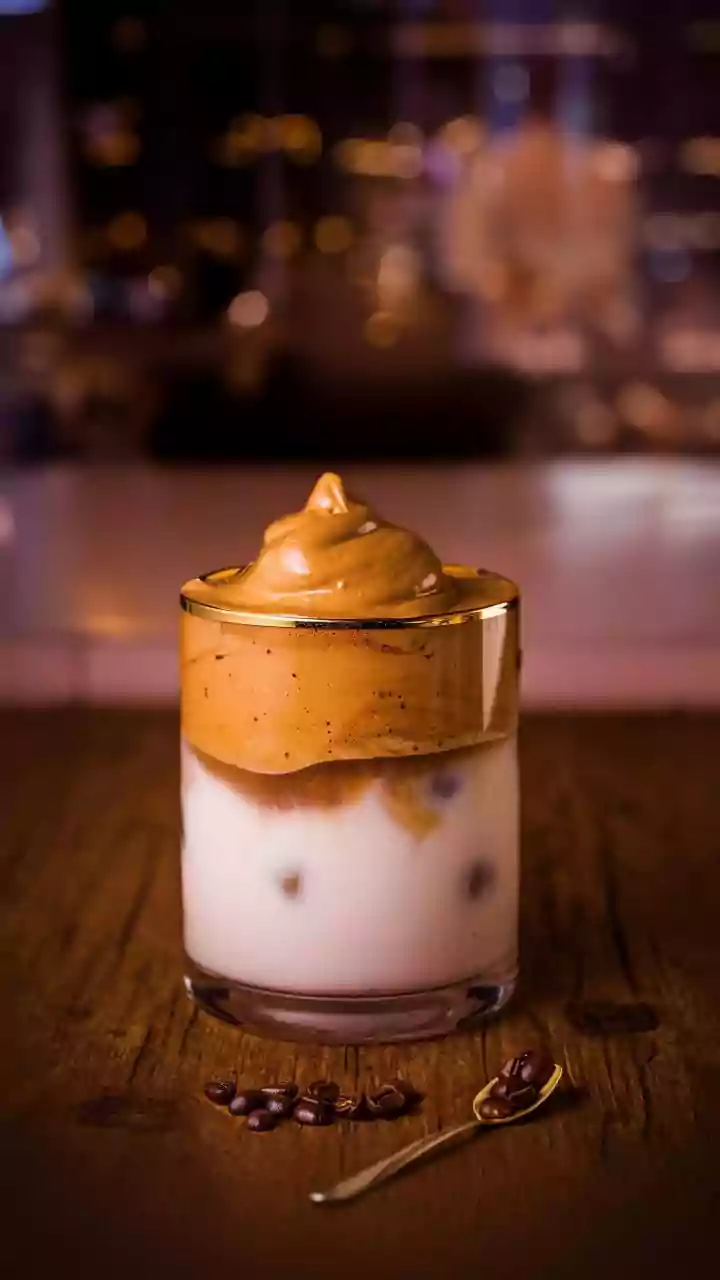
This modern moment for filter coffee is not just about nostalgia; it’s also about innovation. A new wave of artisanal brands and chic cafés are re-introducing filter coffee to a new generation, complete with conversations about bean origins, roast profiles, and terroir. Brands like Bili Hu and Farmgate are appealing to younger consumers with artisanal blends and a modern aesthetic, while established names like Levista are highlighting their heritage while meeting modern needs. Cafés are reinterpreting the drink in contemporary formats, from iced filter coffees to coffee-infused desserts, making it relevant to a palate exposed to global trends. Even the brewing process is getting a modern update, with instant decoctions and easy-to-use brew bags offering the traditional taste without the wait, appealing to fast-paced urban lives. This shift is part of a larger trend where Gen Z is showing a renewed interest in traditional Indian foods, from millets to ghee, valuing both their nutritional benefits and cultural roots.
An Authentic Taste in a Globalised World
The resurgence of filter coffee speaks to a deeper desire for authenticity in an increasingly uniform world. While international café culture has become widespread, it has also sparked a counter-movement towards celebrating local traditions. Filter coffee offers a distinct flavour profile—strong, smooth, with a unique earthiness from chicory—that stands apart from the espresso-based drinks that dominate the global market. For many, choosing filter coffee is a conscious decision to connect with their heritage. It represents a different pace of life—one that values the slowness of the drip, the warmth of a shared ritual, and a taste that feels like home. It proves that even in the age of fleeting social media trends, some of the most enduring experiences are the ones that have been brewed with patience for generations.