
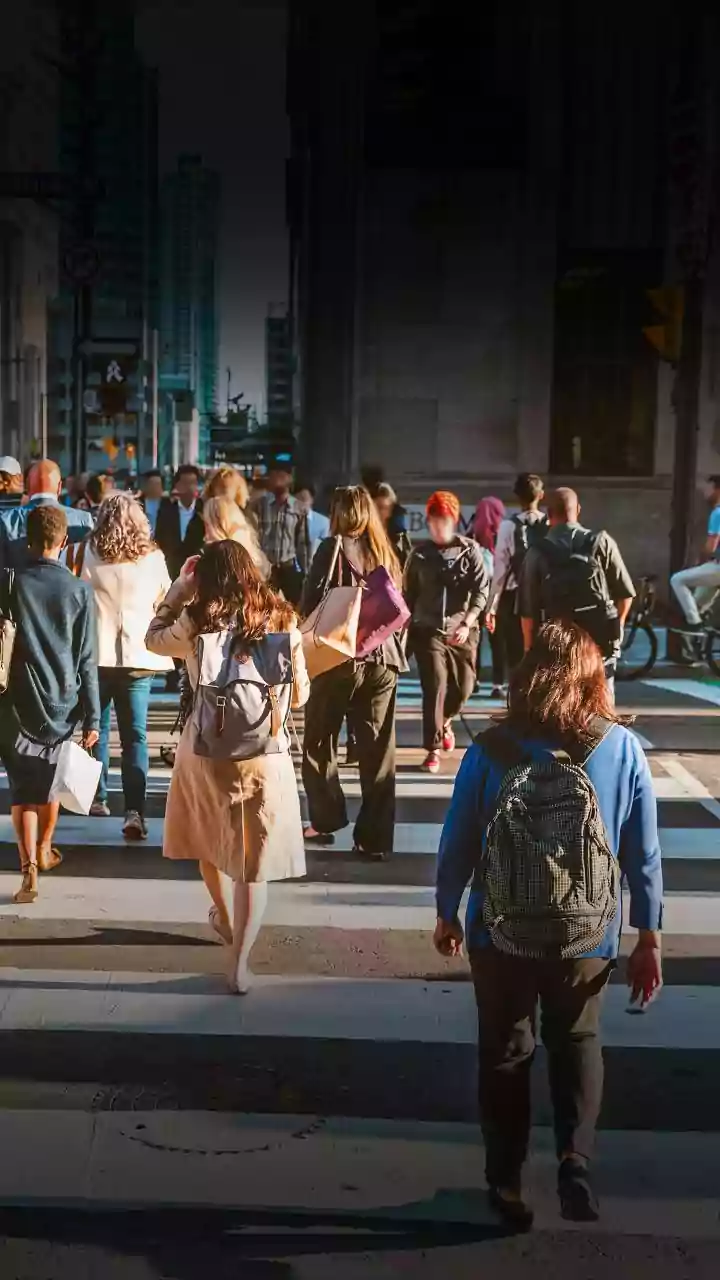
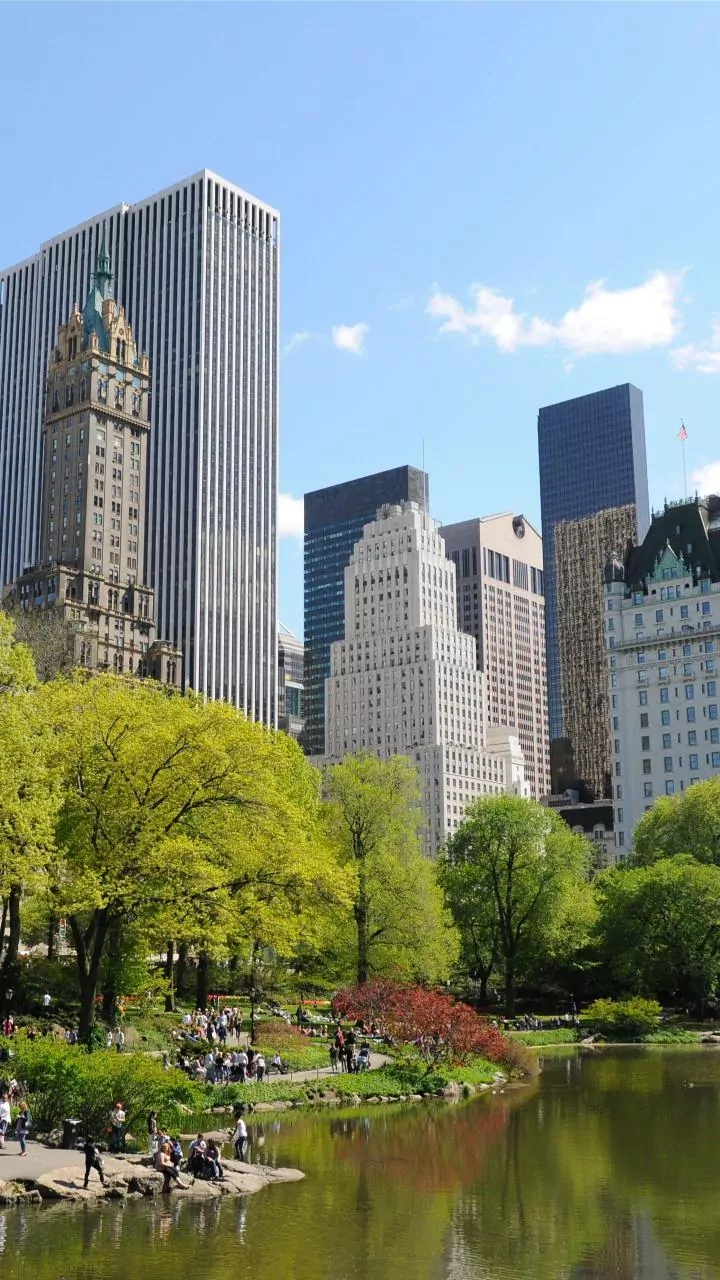
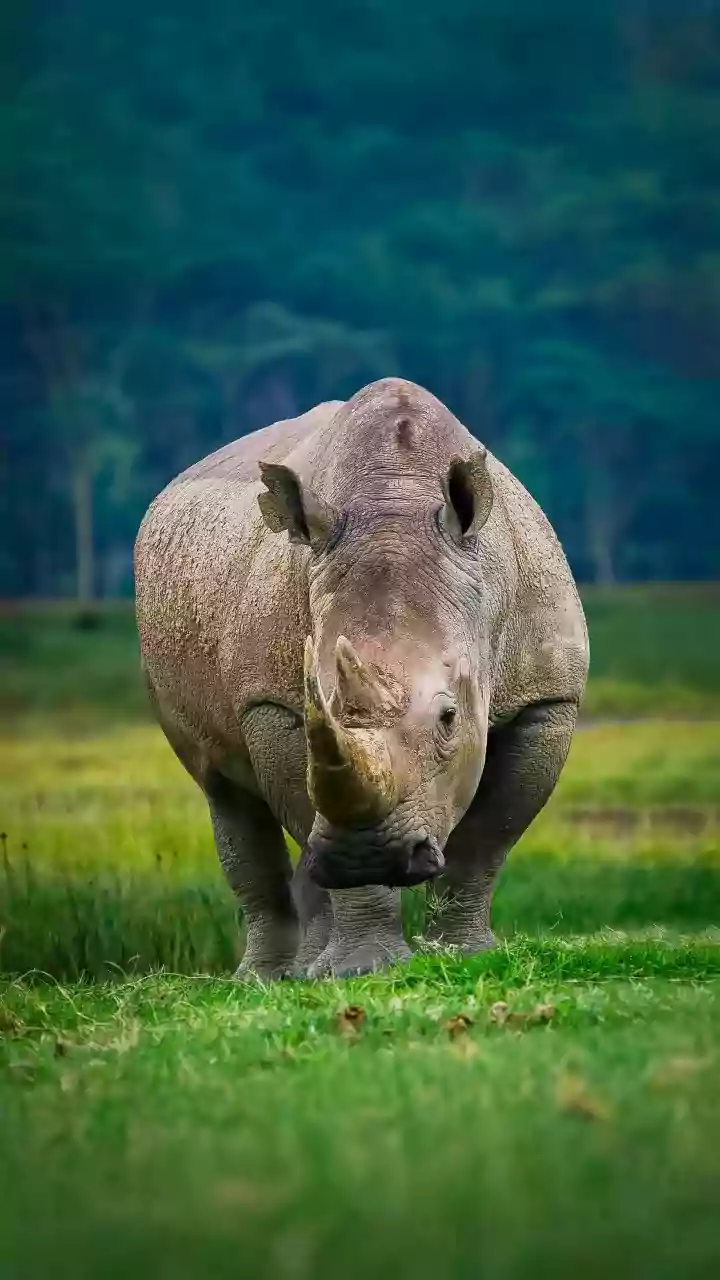



Our cities of steel and glass are not just for us. They are becoming the world's newest and fastest-evolving ecosystems, where wild animals are learning to navigate traffic, outsmart humans, and carve out a life in the concrete jungle.
The New Urban Safari
When we think of
wildlife, we often picture remote forests and sprawling grasslands. But as our cities expand, they are inadvertently creating new habitats, forcing a remarkable phenomenon: wild animals are becoming city dwellers. From Mumbai to Delhi, creatures great and small are being pushed out of their natural homes by habitat loss and drawn into urban areas by the surprising abundance of food and shelter. These animals aren't just surviving; they are actively adapting. This process, sometimes called synanthropization, describes species that learn to live alongside humans, turning our concrete jungles into their own thriving ecosystems. This is evolution happening right before our eyes, driven by the unique pressures and opportunities of city life.
Smarter, Bolder, and More Resourceful
Life in the city demands a different set of skills. Studies show that urban animals are often bolder and more intelligent than their rural counterparts. Raccoons in North America, for example, have become famous for their ability to solve complex puzzles, like opening supposedly 'animal-proof' trash bins. This isn't just a learned trick; it's a sign of cognitive adaptation. Animals are also changing their daily schedules. Many species that are active during the day in the wild have become nocturnal in cities to avoid humans. Birds in noisy urban areas have been observed singing at a higher pitch or at different times of the day to ensure their calls are heard above the constant din of traffic, a crucial adaptation for finding mates and defending territory.
An Indian Perspective: Leopards and Macaques
India provides some of the most dramatic examples of this urban adaptation. In Mumbai, a city of millions, a significant population of leopards thrives in and around Sanjay Gandhi National Park. Research using GPS collars has revealed how these big cats have adapted. They primarily hunt at night, using the cover of darkness to move through densely populated areas with minimal human interaction. Their diet has also shifted to include domestic animals like dogs, which are readily available. Similarly, rhesus macaques have become a common sight in cities like Delhi and Jaipur. They have learned to navigate urban structures as if they were forests and have become experts at sourcing food from markets, temples, and unsuspecting residents, showcasing a high degree of behavioural flexibility.
The Double-Edged Sword of Adaptation
While this adaptation is a testament to the resilience of nature, it is not without its challenges. The increasing proximity between humans and wildlife inevitably leads to conflict. In India, encounters with leopards, elephants, and monkeys in urban and semi-urban areas are on the rise, sometimes resulting in property damage, injuries, and a growing sense of fear among residents. For the animals, city life comes with its own dangers: traffic collisions, pollution, and a diet of human junk food that can be detrimental to their health. Animals that become too accustomed to humans can lose their natural wariness, making them more vulnerable and sometimes leading to aggressive behaviour when they don't get the food they have come to expect.