

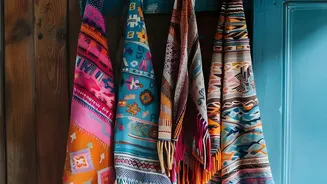
Beyond the Saree and Kurta
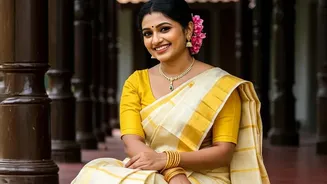
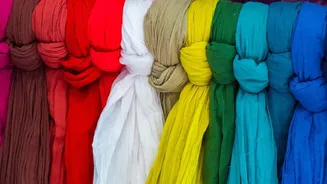
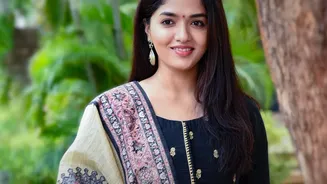
The narrative around Indian handloom is shifting. For decades, textiles like Banarasi silk, Chanderi, and Khadi were synonymous with saris and kurtas, often associated with festive or formal occasions. Today, a new wave of designers and youth-focused
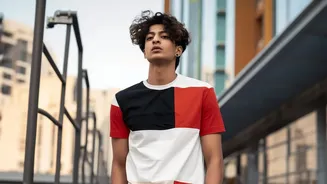
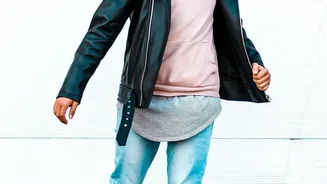
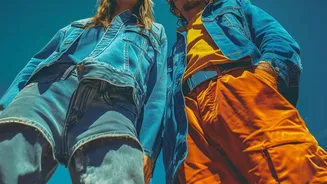
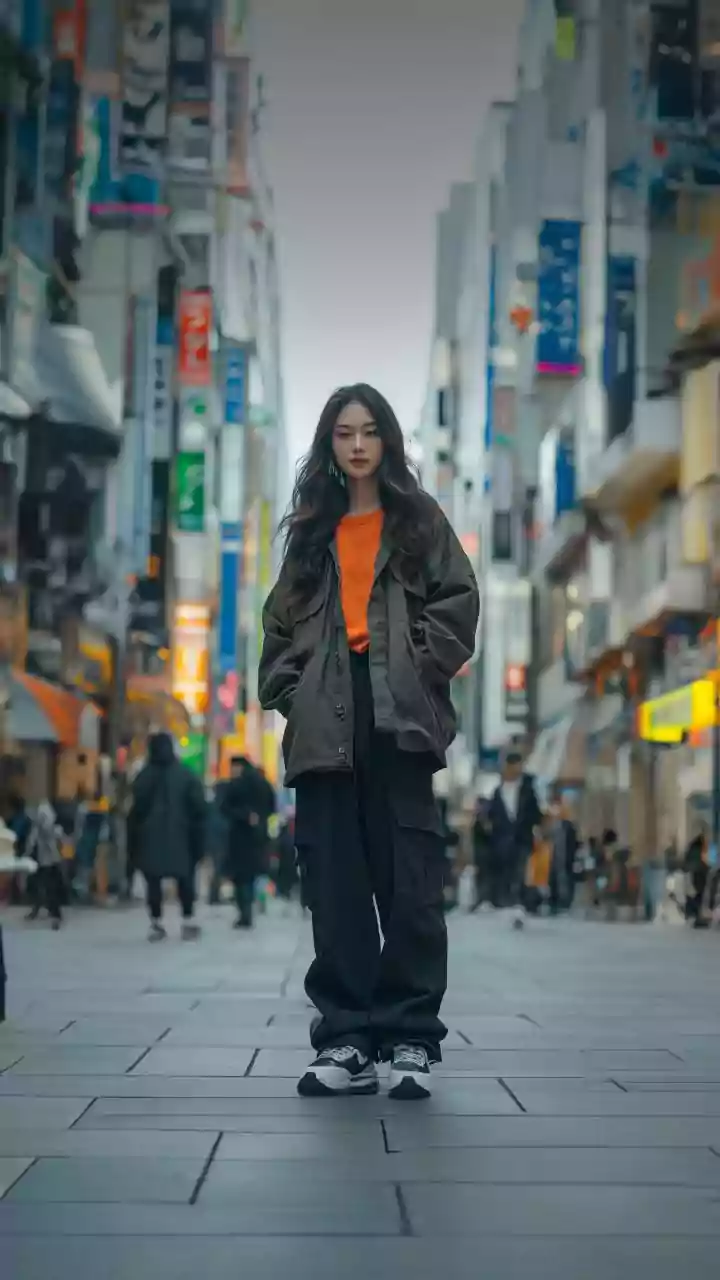
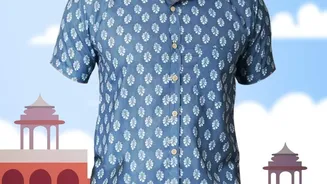
brands are deconstructing this image. They are proving that handloom fabrics are not relics to be preserved in museums but are versatile, dynamic canvases for contemporary fashion. This movement sees heritage weaves being cut and styled into oversized shirts, relaxed-fit jackets, co-ord sets, and hoodies, making them relevant for everyday wear and global street culture.
The Gen Z and Millennial Appeal
This modern revival is resonating deeply with younger consumers for several reasons. Gen Z and millennials are increasingly drawn to fashion that tells a story and reflects their values. In a world saturated with fast fashion, handloom offers authenticity and a connection to cultural roots. Each handwoven piece carries the imprint of its maker, offering a uniqueness that mass-produced items lack. Furthermore, this generation is highly conscious of sustainability. Handloom, with its minimal energy consumption and use of natural fibres, aligns perfectly with the principles of slow, ethical fashion. It represents a move away from disposable trends towards investing in durable, meaningful garments.
From Loom to Street Style
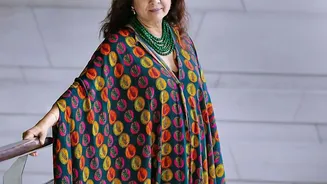
The transformation is evident across a spectrum of weaves. Ikat, with its distinctive geometric patterns, is being fashioned into striking bomber jackets and oversized shirts. Khadi, prized for its breathability and texture, is finding new life in structured jackets and joggers. Labels like NorBlack NorWhite have successfully blended textiles like Bandhani with global street culture, while brands such as SWGT use handwoven Chanderi to create oversized silhouettes with unique textures. Ekaya Banaras has made one of India’s most celebrated weaves relevant for a younger audience through playful co-ords and sculptural jackets. These designers aren't just placing a traditional print on a modern garment; they are using the fabric's inherent qualities to inform the design itself.
A Canvas for Creative Expression
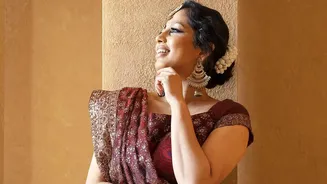
The appeal is not just about adapting old fabrics to new forms. It’s also about styling. Younger fashion enthusiasts are creatively integrating these pieces into their wardrobes. A Jamdani sari might be paired with combat boots, or a handwoven dupatta could be styled as a crop top. This experimental approach, amplified by social media platforms like Instagram, has been crucial in changing perceptions. It showcases how handloom can be personalized and edgy, breaking free from any rigid, traditional aesthetic. This allows wearers to express their individuality while still honoring the craftsmanship behind the textile.
Challenges and the Road Ahead
While the trend is growing, it faces challenges. The cost of handcrafted textiles can be a barrier in a price-sensitive market, even though many young consumers express a willingness to pay more for sustainable products. Ensuring that the revival benefits the artisan communities with fair wages and sustained work is also a critical concern. For this movement to have a lasting impact, it must be built on ethical collaborations that respect and empower the weavers. Brands that offer traceability, allowing consumers to know the story behind their clothes, are leading the way in building this trust.