







A Different Kind of Heat
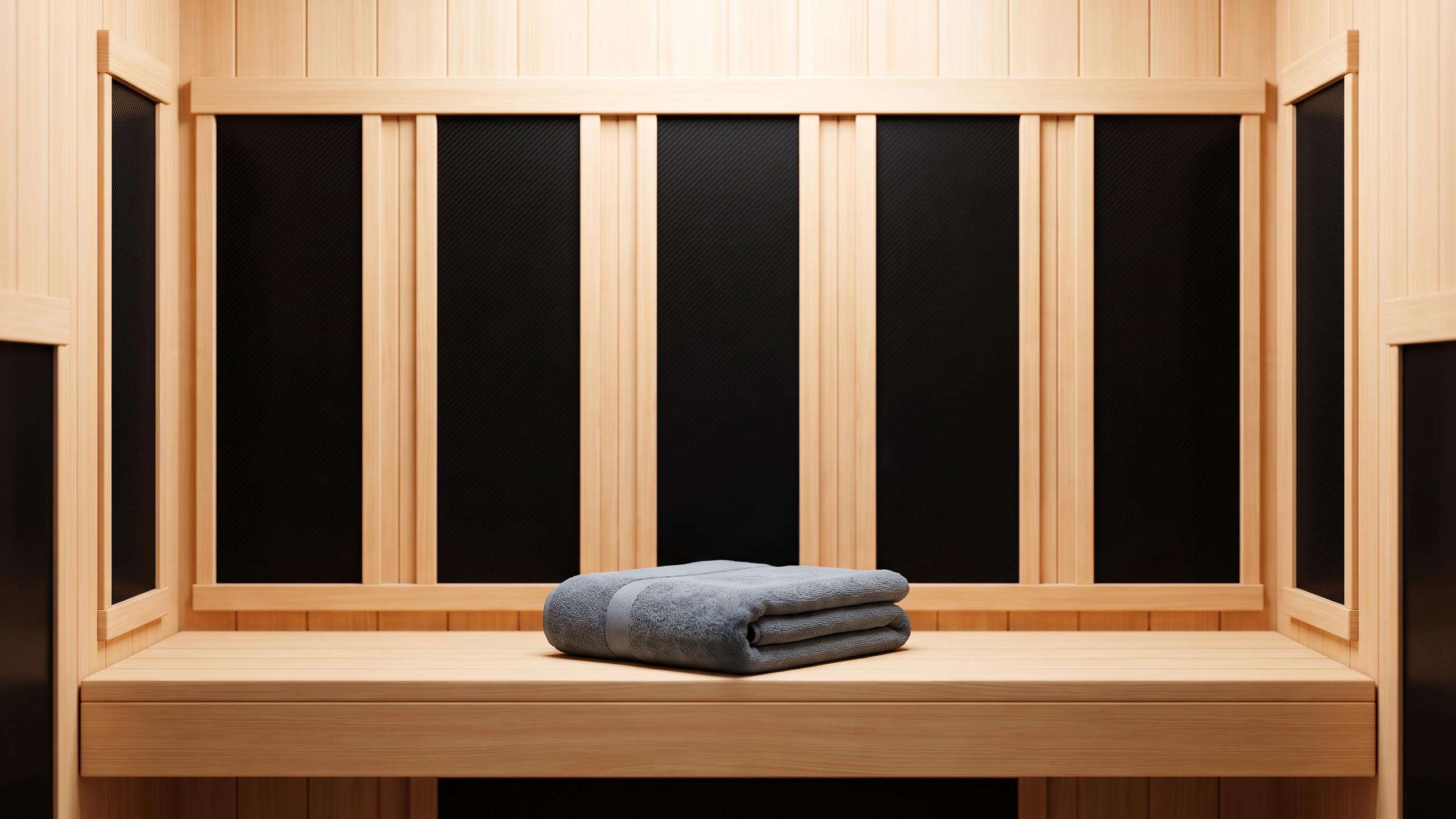
You've likely seen a traditional sauna, where a stove heats the air to blistering temperatures, which in turn heats your body. An infrared sauna works differently. It uses infrared lamps to generate radiant heat, which penetrates your body's tissues directly
without making the air around you intensely hot. Infrared saunas typically operate at a more comfortable temperature, often between 48°C and 60°C, compared to traditional saunas which can exceed 80°C. This allows for longer, more comfortable sessions where the heat is absorbed deeper into the muscles and joints. The experience is less about enduring oppressive heat and more about a gentle, penetrating warmth.
The Science of Soothing Sore Muscles
The main reason athletes and fitness enthusiasts are drawn to infrared saunas is for muscle recovery. An intense workout creates microscopic tears in your muscle fibres, leading to inflammation and that familiar delayed-onset muscle soreness (DOMS). The heat from an infrared sauna causes your blood vessels to widen, a process called vasodilation. This increases circulation, helping to deliver more oxygen-rich blood and nutrients to your tired muscles, which is crucial for repair. At the same time, this enhanced blood flow helps flush out metabolic waste products that contribute to soreness and fatigue. Some studies have shown that post-exercise sauna use can reduce perceived muscle soreness and help preserve neuromuscular performance, meaning your muscles may feel less pained and recover their explosive power more quickly.
Reducing Inflammation and Improving Flexibility
Inflammation is a key part of the post-workout ache. Research suggests that infrared heat can help reduce inflammatory markers at a cellular level, which may be a primary reason it helps speed up recovery. By targeting inflammation, users often report less stiffness and discomfort in the days following a tough training session. The gentle, deep heat also works wonders on tight connective tissues. This can help relax tense muscles and improve overall flexibility and mobility, reducing the risk of injury for those who practice yoga, martial arts, or other sports that demand a wide range of motion. While it won't magically make you more flexible overnight, incorporating it into a consistent stretching routine can yield noticeable results.
More Than Just Muscles
The benefits of an infrared sauna session aren't purely physical. Recovery is also a mental game. The calming warmth provides a perfect environment for relaxation and can help lower cortisol, the body's primary stress hormone. Many users find that a 20- or 30-minute session is an effective way to mentally unwind and reset after a workout, leaving them feeling calmer and more focused. This stress reduction can also contribute to better sleep quality, which is arguably the most critical component of recovery. A body that is relaxed and well-rested is one that can repair and rebuild itself more effectively.
How to Safely Add It to Your Routine
If you're looking to try an infrared sauna, timing and safety are key. Most experts recommend using the sauna after your workout, not before. Give your body about 30 minutes to cool down slightly before stepping in. For beginners, a 15- to 20-minute session at a lower temperature (around 48°C to 55°C) is a good starting point. Hydration is non-negotiable. Drink plenty of water before, during, and after your session to replenish fluids lost through sweating. Listen to your body—if at any point you feel dizzy, nauseous, or excessively uncomfortable, it's time to get out. While many studies show promising results, it's important to remember that infrared sauna use is a complementary recovery tool, not a magic cure.