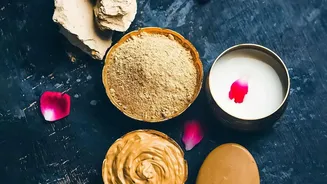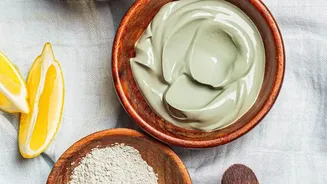






In the search for radiant skin, sometimes the best ingredients are hiding in plain sight. This simple, customisable face pack uses the power of masoor dal (red lentils) and nourishing facial oil for a gentle, effective at-home treatment.
The Power of Pulses for Your Skin
Masoor dal has
long been a staple in Indian kitchens, but its use extends beyond cuisine into traditional skincare. When ground into a powder, its fine, granular texture makes it an excellent natural exfoliant. This gentle scrubbing action helps to slough away dead skin cells, dirt, and impurities that can leave the complexion looking dull. Many users find that regular, gentle exfoliation with masoor dal helps to improve skin texture, reduce the appearance of mild sun tan, and manage excess oil. Rich in nutrients like proteins, vitamins, and minerals, masoor dal is believed to nourish the skin, helping it appear brighter and more refreshed. In Ayurveda, red lentils are considered 'varnya', a substance known for its skin-purifying properties that can help unclog pores and leave skin feeling rejuvenated.
Why Add Facial Oil?
While a dal-based pack is effective, it can sometimes be drying, especially if you have normal or dry skin. This is where facial oil comes in. Adding a few drops of a suitable oil transforms the mask into a more balanced and nourishing treatment. The oil adds a layer of moisture, preventing the mask from stripping the skin's natural lipids as it dries. This ensures that while you get the exfoliating benefits of the dal, you are also replenishing the skin's barrier. The oil acts as a carrier, helping to deliver its own set of vitamins and fatty acids to the skin, leaving it feeling soft and supple, not tight or irritated. It turns a simple exfoliating mask into a dual-action treatment that both clarifies and conditions.
Choose an Oil for Your Skin Type
The beauty of this DIY pack is its customisability. The choice of facial oil can be tailored to your specific skin needs. For oily or acne-prone skin, a lightweight, non-comedogenic oil like jojoba or grapeseed oil is an excellent choice, as they are less likely to clog pores. Jojoba oil is particularly versatile and mimics the skin's natural sebum. If you have dry skin, opt for richer, more nourishing oils like argan, rosehip, or sweet almond oil to provide extra hydration and combat dryness. For those with combination skin, jojoba oil is a safe and effective starting point. Normal skin types have flexibility and can choose based on texture preference, from lightweight grapeseed to the slightly richer argan oil.
A Step-by-Step Guide
Creating your masoor dal and oil face pack is simple. First, prepare the dal. You can either soak two tablespoons of masoor dal in water for at least 30 minutes (or overnight) and then grind it into a smooth paste, or you can grind dry lentils into a fine powder. Using a powder will result in a more scrub-like texture, while a soaked paste will be gentler. In a clean bowl, take about two tablespoons of your dal paste or powder. Add about half a teaspoon of your chosen facial oil. Mix the ingredients well, adding a little rose water or milk if the paste is too thick, until you have a smooth, spreadable consistency. Your mask is now ready to apply.
Application, Timing, and Removal
Before applying, ensure your face is clean and dry. Use your fingertips or a clean brush to apply an even layer of the paste, avoiding the delicate eye and mouth areas. Let the mask sit for about 15–20 minutes. It’s important not to let it dry completely, as a cracking mask can pull at the skin and cause irritation. When it’s time to remove it, wet your fingertips with lukewarm water and gently massage your face in circular motions for about a minute to get a final, gentle exfoliation. Then, rinse the mask off thoroughly with lukewarm water and pat your skin dry with a soft towel. Always follow up with your favourite moisturiser to lock in the benefits.
A Word of Caution: Always Patch Test
While this face pack uses natural ingredients, not every ingredient is suitable for every skin type. Over–exfoliation is a real risk and can lead to redness, irritation, and a damaged skin barrier. It’s recommended to use this mask no more than once or twice a week. Most importantly, always perform a patch test before applying any new product or ingredient to your face. Apply a small amount of the prepared mask to a discreet area of skin, like your inner elbow or behind your ear. Leave it on for the recommended time , wash it off , and wait at least 24 hours to check for any signs of redness , itching , or irritation . If you have active acne , cuts , sunburn , or highly sensitive skin conditions like rosacea , it is best to avoid this mask.