






The Problem with Mindless Munching
Mindless eating is the opposite of mindful eating; it's when you eat without paying full attention to the experience. Often driven by boredom, stress, or habit rather than true hunger, it involves eating while distracted by other activities like working
or watching television. This habit can lead to overeating because you're disconnected from your body’s natural hunger and fullness signals. When you eat directly from a large bag or container, it’s difficult to gauge how much you’ve consumed, often resulting in eating more than you intended. This can contribute to unwanted weight gain, digestive discomfort, and a feeling of being out of control around food. It's a cycle where snacking becomes an automatic reaction rather than a conscious choice.
The Power of the Plate
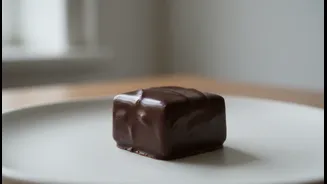
Simply transferring your snack from its package to a plate creates a powerful psychological shift. This one action forces a pause, breaking the cycle of automatic eating. It makes snacking a deliberate act. When you see the food arranged on a plate, you become more aware of the portion size, which is a cornerstone of healthy eating. Research shows that visual cues significantly influence how much we eat. A smaller plate can even make a standard portion appear more generous, increasing satisfaction and helping to naturally reduce calorie intake without feeling deprived. This simple step moves snacking from a mindless habit to a mindful ritual, giving you a moment to ask yourself: "Am I truly hungry?"
From a Snack to a Mini-Meal
Plating your snack elevates the experience, turning it into a mini-meal that engages more of your senses. We eat with our eyes first, and an attractively arranged plate can make the food seem more appealing and satisfying than when eaten from a wrapper. This increased sensory awareness is a key component of mindful eating. When you take the time to prepare a plate, you're treating the snack with the same importance as a meal, which can lead to greater enjoyment and contentment from a smaller amount of food. This practice fosters a healthier relationship with food, where you appreciate and savour each bite rather than consuming it distractedly.
How to Build a Better Snack Plate
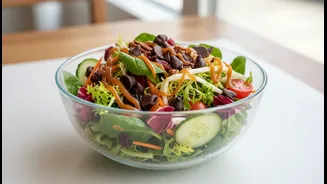
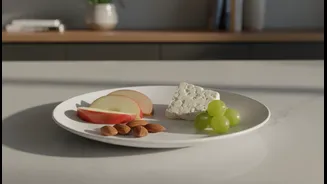
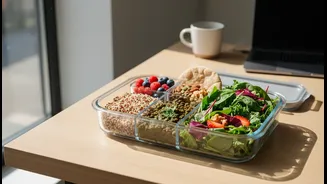
Creating a balanced snack plate is key to making it truly satisfying and nutritious. The goal is to combine different food groups to keep you full and energised. Aim to include a source of protein (like a hard-boiled egg, Greek yogurt, or a handful of nuts), fibre-rich carbohydrates (such as whole-grain crackers or a piece of fruit), and a healthy fat (like avocado, cheese, or olives). This combination helps to stabilise blood sugar levels, preventing energy crashes and keeping hunger at bay for longer. Don't be afraid to get creative by deconstructing your favourite meals into snack-sized portions or mixing and matching different flavours and textures. A colourful plate with a variety of foods is not only more nutritious but also more visually appealing.
Beyond the Plate: More Mindful Habits
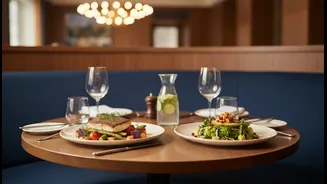
Using a plate is a fantastic starting point, but you can enhance intentional snacking with a few other practices. Try to eat your snack while sitting down, preferably at a table, rather than standing in the kitchen or driving. Eliminating distractions is also crucial; turn off the TV and put your phone away to fully focus on your food. Pay attention to the textures, smells, and flavours of each bite, and chew your food thoroughly. These practices slow you down, improve digestion, and give your brain time to register that you're full, preventing overconsumption. Even taking one mindful bite at the beginning, middle, and end of your snack can make a huge difference.