




From Afterthought to Anchor
For years, balconies in urban apartments were often an afterthought—a small rectangle of outdoor space, useful for drying clothes or storing unused items. The corners, in particular, were awkward and underutilised. That is rapidly changing. In the wake
of a global re-evaluation of our living spaces, designers and public health advocates are recognising the immense potential of these small pockets of open air. The balcony is no longer just an add-on; it's becoming an anchor for wellness in the home. Studies and design trends now show an increasing emphasis on creating balconies with better access to light, ventilation, and greenery, transforming them into functional, restorative extensions of our living areas.
The Psychology of a Green Corner
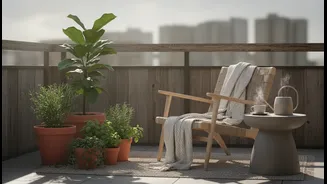
The focus on balcony corners is rooted in a design philosophy called biophilia—the idea that humans have an innate tendency to seek connections with nature. Research has consistently shown that even small interactions with natural elements can have significant health benefits. Exposure to natural light boosts mood, fresh air improves concentration, and the presence of greenery can lower stress and blood pressure. A well-designed balcony corner can become a miniature sanctuary. By placing a comfortable chair, a few potted plants, and perhaps some soft lighting, this small space transforms into a dedicated spot for mindfulness, relaxation, or simply enjoying a quiet cup of tea. It provides a vital connection to the outdoors, which is crucial for mental well-being in dense urban environments.
Designing for Well-Being
So, what does a health-planned balcony corner look like? It’s about more than just adding a plant. Architects are incorporating principles to maximise benefits. This includes using natural materials like wood, stone, and terracotta that feel good to the touch and reinforce a connection to the earth. The design often involves creating a sense of enclosure and safety, which taps into our primal need for prospect and refuge—a comfortable spot from which to view the world. Vertical gardens are a popular solution, turning a blank wall into a living tapestry of green that also helps to muffle city noise. Even the furniture is chosen for comfort and flexibility, allowing the space to be used for everything from a work-from-home video call to a quiet evening of stargazing.
A New View for Urban India
In India's bustling cities, where apartment living is the norm and private outdoor space is a luxury, this trend is particularly relevant. The concept of biophilic design resonates deeply with traditional Indian architecture, which often featured courtyards and verandahs to integrate nature with daily life. Post-pandemic, there has been a marked shift in preferences, with a greater desire for homes that offer flexibility, privacy, and a connection to nature. Developers are taking note, designing projects that prioritise wellness from the ground up. A thoughtfully designed balcony is no longer just a selling point; it’s seen as essential infrastructure for a healthy life, offering a personal retreat from the chaos of the city.