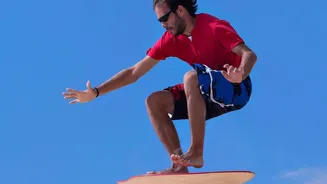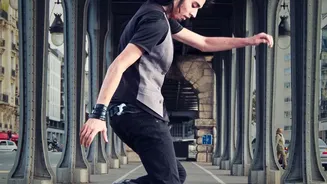

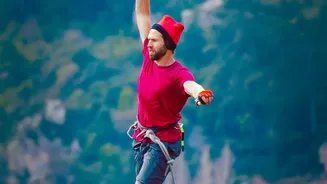

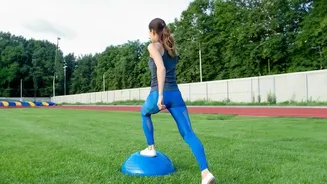
One involves serene trails and steady trekking; the other, concrete parks and explosive tricks. Hiking and skateboarding may seem worlds apart, but both powerfully shape our physical abilities. So, how do they stack up in developing coordination and reaction
time?
The Rhythms of the Trail: Hiking
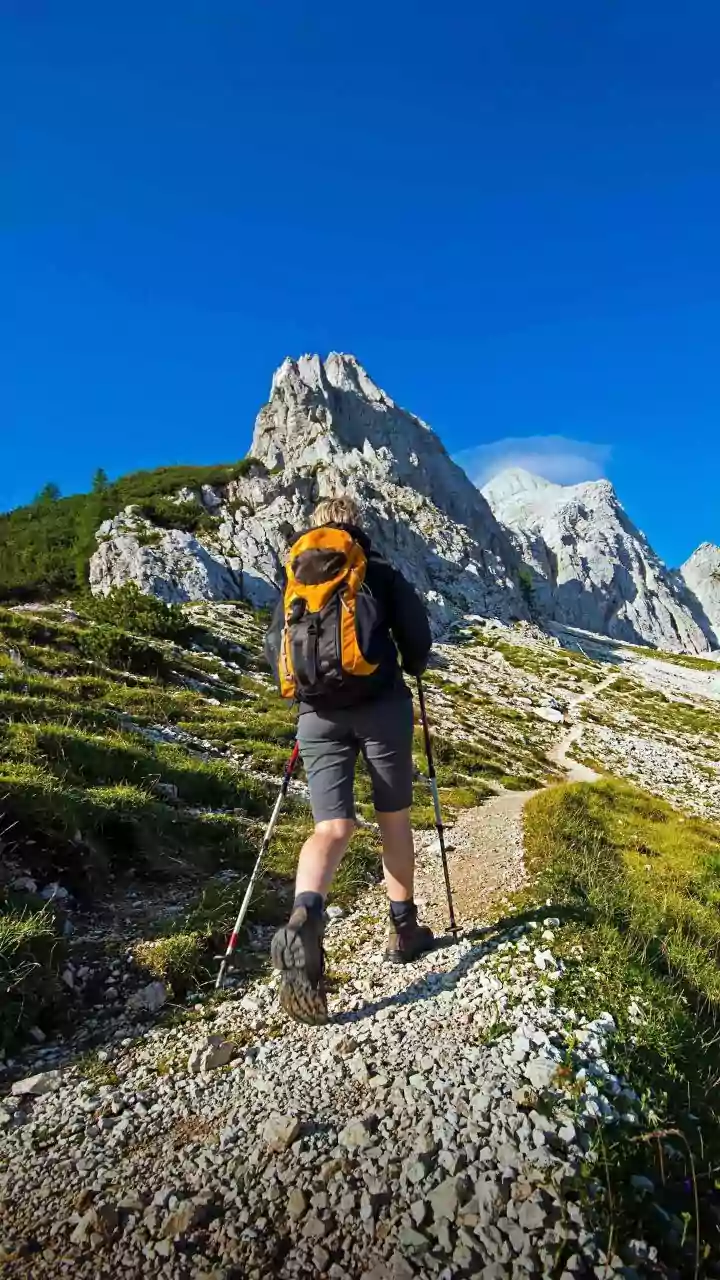
Hiking is an endurance activity that builds a specific and highly practical form of coordination. The key is its engagement with proprioception, which is your body’s ability to sense its own position and movement in space. When you're walking on an uneven trail, your feet and ankles are constantly making micro-adjustments to rocks, roots, and changing gradients. These signals are sent from sensory receptors in your muscles and joints to your brain, which then adjusts your posture and foot placement to maintain balance and prevent a fall. This isn't about fast, explosive reactions, but rather a constant, low-level conversation between your body and your brain. Regular hiking strengthens this system, improving your overall stability and creating a more 'automatic' sense of balance, which can reduce the risk of injuries in daily life. The coordination developed is one of stability, endurance, and subtle adaptation to the environment.
The Reflexes of the Ride: Skateboarding
Skateboarding operates on a completely different neuromuscular level. It's a sport of constant, dynamic balancing on an unstable platform. This forces the body to develop exceptional coordination just to stay upright. But where it truly shines is in its development of reaction time. Landing a trick, navigating a crowded skatepark, or adjusting to a sudden crack in the pavement requires split-second decision-making. This hones your reactive abilities, as your brain must quickly process visual information and execute precise, whole-body movements to maintain control. Furthermore, skateboarding heavily stimulates the vestibular system, the sensory organs in our inner ear responsible for balance and spatial orientation. Constantly rotating, spinning, and shifting your center of gravity trains your brain to process this intense sensory input without becoming disoriented, a skill that elite athletes in sports like figure skating and gymnastics also develop.
Reaction Time: Deliberate vs. Instantaneous
When comparing reaction time, the difference lies in the type of reaction each activity fosters. Hiking improves your reactive stability; your body learns to respond to unexpected changes in terrain to keep you upright. It’s a largely unconscious, adaptive reaction that builds resilience against stumbles and falls. Skateboarding, on the other hand, trains fast-twitch, conscious reactions. The skater must see an obstacle, decide on a course of action (ollie, turn, stop), and execute the move in a fraction of a second. This is a more direct form of reaction training, akin to what's needed in sports like boxing or martial arts, where quick responses to an opponent's moves are critical. While both enhance your ability to respond to your environment, hiking builds a foundation of stability, while skateboarding sharpens your reflexes for rapid, voluntary actions.
Coordination: Stability vs. Agility
Both activities are excellent for coordination, but they build different kinds. Hiking develops gross motor coordination focused on maintaining an upright posture over long periods and across varied surfaces. It strengthens the core and lower body, creating a stable base of support. It’s about creating harmony between your limbs and torso for efficient, forward movement. Skateboarding develops a more complex, whole-body agility. It requires fine-tuned coordination between your feet, legs, core, and upper body to perform tricks and manoeuvres. Think of the difference between walking a straight line and juggling while on a unicycle. Both require coordination, but one is about maintaining a steady state while the other is about managing multiple, complex variables simultaneously. Skateboarding enhances your ability to link different body parts together for precise, dynamic movements.
Which One Is Right for You?
Ultimately,' neither activity is universally 'better'. The ideal choice depends entirely on your personal fitness goals and what you enjoy. If your aim is to build endurance,' improve your balance for everyday stability,' and connect with nature,' hiking is an unparalleled choice.' It offers a meditative yet physically rewarding experience that strengthens your body's foundational systems.' If you're drawn to a high-'energy activity that sharpens your reflexes,' builds explosive power,' and develops complex motor skills,' skateboarding is a fantastic option.' It's a creative and challenging pursuit that constantly pushes your limits of reaction and agility.' Both build confidence and offer significant physical and mental health benefits,' from stress relief to improved focus.' The best activity is the one you’ll stick with,' so choose the one that brings you the most joy.