
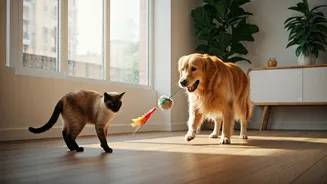


Recognising Rainy Day Restlessness
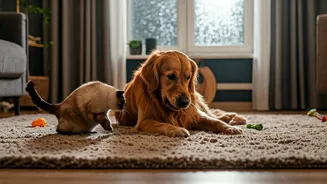
When pets don't get enough physical and mental exercise, they show it in various ways. Your once-calm dog might start pacing, whining, or chewing on furniture. [8, 13] Cats might scratch where they shouldn't or become unusually vocal. These are not signs
of a 'bad' pet; they are signs of a bored one whose needs for stimulation aren't being met. [17, 18] Destructive behaviours, excessive attention-seeking, and even fighting with other pets can all be symptoms of pent-up energy. [2] By providing engaging indoor activities, you can channel this energy positively, preventing stress for both you and your pet. [3, 21]
The Treasure Hunt: A Sniffing Adventure
A dog's nose is one of its most powerful tools, and putting it to work is incredibly stimulating. A simple 'treasure hunt' is a fantastic way to do this. Have your pet stay in one room while you hide small, aromatic treats in another. [12] Start with easy spots and gradually increase the difficulty. You can also create a 'towel treasure hunt' by rolling treats up in a towel and letting your pet figure out how to unroll it. [6] This kind of scent-based play taps into their natural foraging instincts, keeping their brain sharp and engaged, which can be as tiring as a long walk. [6, 9]
DIY Puzzle Toys from Household Items
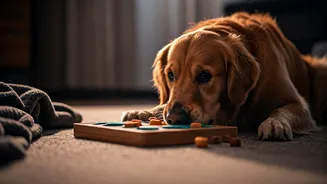
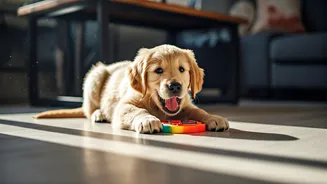
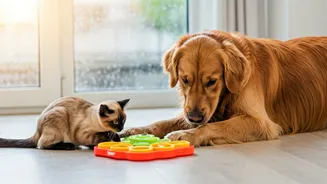
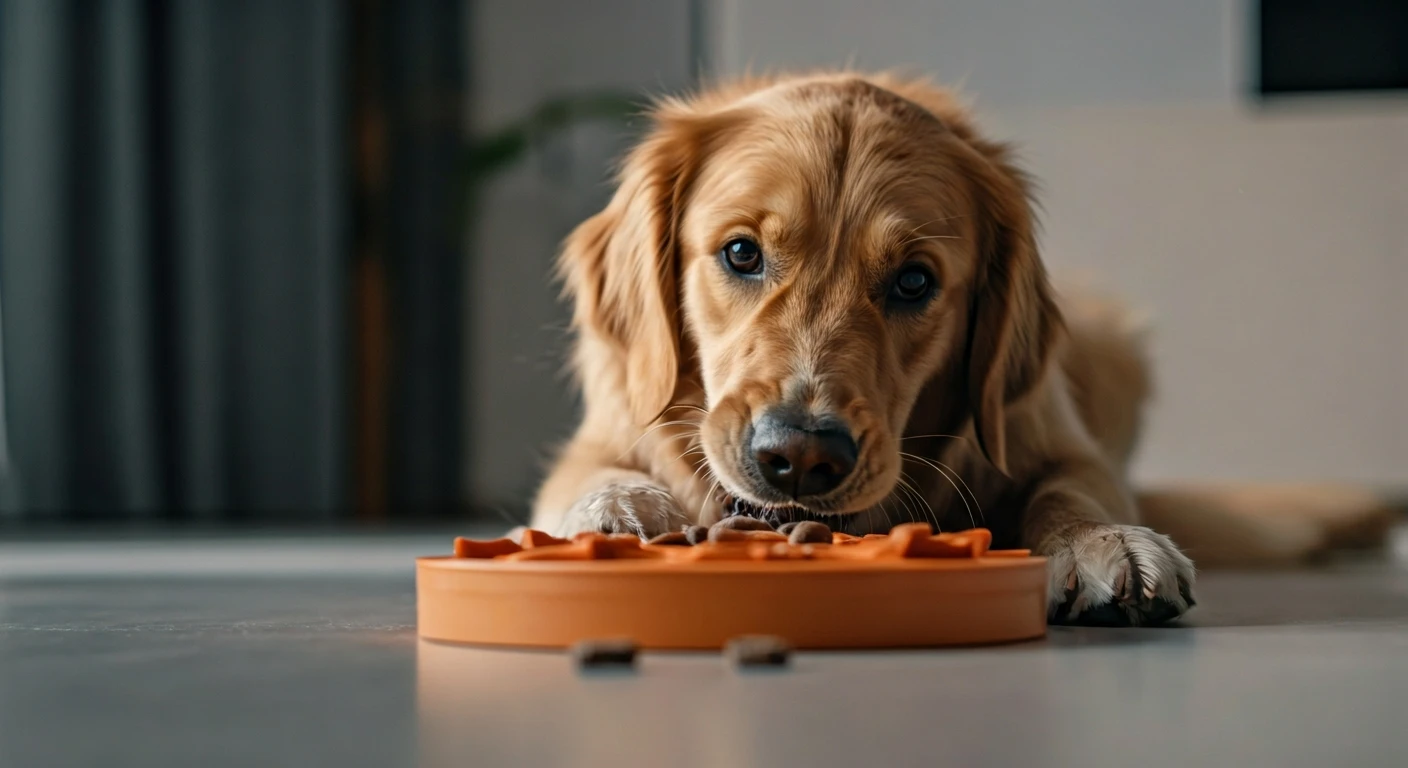
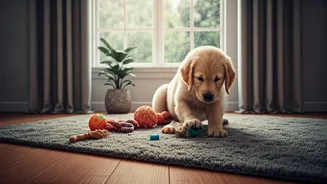
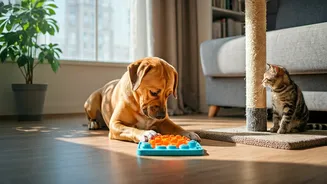
You don't need to buy expensive toys to challenge your pet's mind. A muffin tin and some tennis balls or crumpled paper can become an exciting puzzle. [10, 20] Simply place treats in some of the muffin cups and cover all of them, letting your dog or cat use their nose and paws to find the rewards. [19] For a different challenge, you can use empty toilet paper rolls. [5] Stuff treats inside and fold the ends, creating a simple puzzle that your pet has to tear apart to get the prize. [20] These simple DIY games provide essential mental enrichment and can keep a pet happily occupied. [7]
Build an Indoor Obstacle Course
Turn your living room or hallway into a mini agility course to get your pet moving. Use cushions as low hurdles, chairs to weave through, and cardboard boxes as tunnels. [4, 6] Lure your pet through the course with a favourite toy or a treat. [4] This activity not only burns physical energy but also builds confidence, especially in timid pets. [6] Always supervise this game to ensure safety, making sure the obstacles are stable and appropriate for your pet's size and ability. [14] You can change the layout each time to keep it new and exciting.
Classic Games with an Indoor Twist
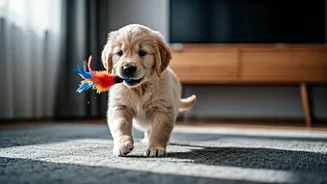
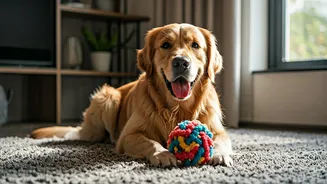
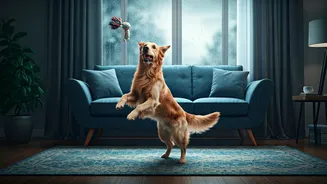
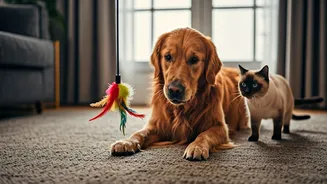
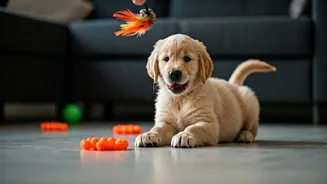
Old favourites like fetch and tug-of-war can easily be adapted for the indoors. For fetch, use a soft toy or ball in a hallway or cleared area to avoid any damage. [9, 12] Just a few minutes of this can help your dog shake off that cooped-up feeling. [9] Tug-of-war is a great game for dogs that requires very little space; just use a sturdy rope toy or a knotted old towel. [4] For cats, a simple feather wand or even a crumpled piece of paper can mimic hunting and encourage them to pounce and chase, satisfying their predatory instincts. [4, 12]
Training Time Can Be Playtime
A rainy day is the perfect time to brush up on old commands or teach your pet a new trick. [12] Training sessions are a brilliant form of mental stimulation. [3] You can teach your dog to 'spin' or 'roll over', or even teach a cat to give a 'high-five'. [11] Keep the sessions short, positive, and fun, using plenty of praise and treats. This not only engages their brain but also reinforces your bond. Even five-minute sessions spread throughout the day can make a big difference in curbing boredom. [25]