






The End of the Blank Slide
For students, educators, and professionals across India, creating presentations is a constant demand. The process is traditionally manual and tedious: outlining content, designing each slide, finding visuals, and ensuring consistent formatting. This can
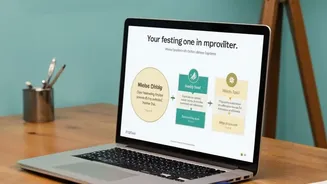
take hours, or even days, for a single deck. AI presentation makers have emerged to automate this entire workflow. These tools use artificial intelligence to analyze raw text—from lecture notes and research papers to business reports—and automatically structure it into a logical slide-based format. They identify key themes, generate headlines, create bullet points, and even suggest relevant imagery, transforming a wall of text into a visually coherent first draft.
How Does It Actually Work?
The process is surprisingly straightforward. Most tools allow you to simply paste your text, upload a document, or even provide a short prompt or outline. The AI then gets to work. It doesn’t just randomly dump sentences onto slides; it uses natural language processing to understand the hierarchy and flow of your information. For instance, it can recognize section headings in your notes and turn them into slide titles. The real magic happens in the design phase. Instead of you manually adjusting text boxes and choosing fonts, these tools apply pre-designed, intelligent templates that adapt to your content, ensuring a professional look from the start. This allows users to go from a document to a polished deck in a fraction of the time.
Top Tools for the Job
Several platforms are leading this productivity revolution. Tools like Gamma and Tome are often praised for their ability to generate entire narratives and visually engaging stories from a simple prompt. Beautiful.ai is known for its strength in enforcing design best practices, ensuring every slide looks clean and professional even if you have no design skills. For those deeply integrated into existing ecosystems, Microsoft Copilot for PowerPoint and Gemini for Google Slides bring AI assistance directly into the software you already use. Other popular choices include Canva, which offers a vast design library, and SlidesAI, which specializes in converting text to slides within Google Slides. Many of these platforms offer free plans or credits, making them accessible for students and individual users.
A Reality Check: The Human Element
While the promise of a presentation in minutes is real, these tools are not magic wands. Over-reliance on AI can lead to generic-looking presentations that lack a unique voice or strategic thinking. The generated content can sometimes be superficial or contain factual errors, known as 'hallucinations', which require careful human verification. Furthermore, AI-generated designs might not always align with specific brand guidelines, and exporting the final product from a web-based tool to PowerPoint can sometimes result in formatting issues. It's crucial to avoid uploading sensitive or confidential information to public AI platforms due to potential data privacy risks.
Your Smartest Assistant, Not Your Replacement
The best approach is to view these tools as powerful assistants, not replacements for human thought. Use them to conquer the 'blank page' and generate a strong first draft quickly. From there, the real value comes from your expertise. You should refine the narrative, verify the data, and inject your personal insights and stories—things an AI cannot replicate. The final polish, from checking for readability to ensuring the content truly connects with your specific audience, remains a human task. AI handles the grunt work of formatting and structuring, freeing you up to focus on the most important part: delivering a compelling and impactful message.