




Beyond a Single Cuisine
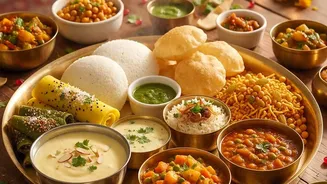
The idea of a single 'Indian food' is a myth, largely shaped by the Northern Indian dishes that first gained popularity abroad. In reality, India offers dozens of distinct culinary worlds, each shaped by its unique geography, climate, and history. The food changes
every few hundred kilometres, from the wheat-based breads of the north to the rice and coconut-centric dishes of the south. This immense variety is a core reason why culinary tourism in India is experiencing significant growth, with travellers eager to explore the country's authentic heritage through its food.
A Journey Through the North
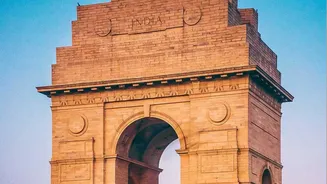
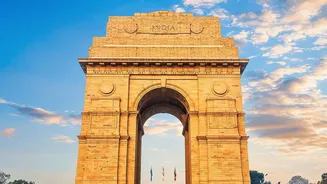
The North is the heartland of what many recognise as Indian food, but the reality is far more nuanced. Delhi, the capital, is a paradise for food lovers, famous for its street food like tangy chaat and hearty chole bhature. Further north in Amritsar, Punjabi cuisine offers rich, rustic flavours with classics like buttery dal and smoky tandoori chicken. To the east lies Lucknow, the city of Nawabs, where the Awadhi cuisine features delicate, aromatic dishes like slow-cooked biryanis and melt-in-your-mouth kebabs, reflecting its royal heritage.
Flavours of the South and Coast
Travel south and the culinary landscape transforms completely. Here, rice is the staple, and flavours are built on coconut, tamarind, and a different set of spices. States like Kerala are known for their spectacular coastal cuisine, featuring fresh seafood curries and rice-flour pancakes called appams. Tamil Nadu's Chettinad cuisine is famous for its fiery, complex spice blends. Meanwhile, on the west coast, Goa's food tells a story of its Portuguese-influenced history with tangy dishes like pork vindaloo and fresh fish curries.
The Undiscovered East and West
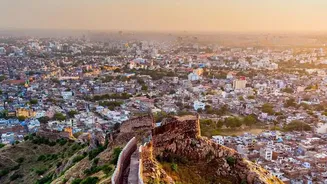
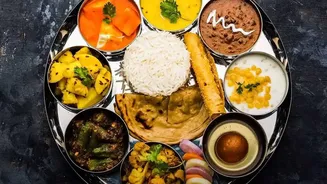
Some of India's most exciting culinary stories are found in its lesser-explored regions. In the east, Bengal's cuisine is celebrated for its masterful use of mustard oil and freshwater fish, alongside a legendary repertoire of sweets like rasgulla. The remote Northeast offers a completely different palate, with fermented ingredients, smoked meats, and herbs that share more in common with Southeast Asian food. In the west, the desert state of Rajasthan presents a resilient cuisine of lentils and preserved vegetables, while Gujarat offers a predominantly vegetarian thali with a unique sweet and savoury balance.
The Rise of Food Tourism
The growing global interest in authentic experiences has put India's food scene in the spotlight. The culinary tourism market in India is projected to grow significantly, with one forecast suggesting it could expand from USD 15.9 billion in 2026 to USD 67.7 billion by 2036. Travellers are no longer content with just sightseeing; they want to engage with the culture through food. This has led to a boom in food-focused travel, including guided street food walks, village cooking classes, and stays at homestays that offer traditional meals. Government initiatives are also helping to promote India’s diverse food heritage as a key attraction.