




Tyres: Your First Line of Defence
Your car's only connection to the road is its tyres, and their importance multiplies on wet surfaces. Before the heavy rains set in, inspect the tread depth. Worn-out tyres with shallow grooves cannot channel water away effectively, leading to a dangerous
phenomenon called aquaplaning, where the car essentially skates on a layer of water, losing all traction. Experts recommend a tread depth of at least 3mm for safe monsoon driving. Also, check the tyre pressure regularly, including the spare. Incorrect pressure impacts braking, handling, and fuel efficiency. Potholes hidden by puddles can easily cause misalignment, so if you feel your steering pulling to one side, get it checked immediately.
Visibility is Non-Negotiable
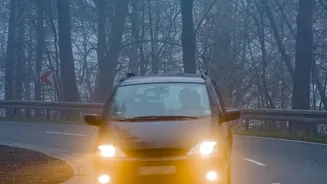
If you can't see, you can't drive safely. The summer heat degrades the rubber on wiper blades, causing them to streak, skip, or squeal instead of clearing your view. Replace them if they are not cleaning the windshield perfectly. Always keep your windshield washer fluid topped up with a proper cleaning solution, not just water, to effectively remove road grime and mud splashed by other vehicles. Equally important are your lights. In overcast conditions and heavy downpours, your lights help others see you. Walk around your car and test all lights: headlights (low and high beam), tail-lamps, brake lights, and indicators. A yellowed or hazy headlamp cover can be polished to restore brightness, a small fix that makes a huge difference.
Brakes, Battery, and Electricals
Braking distance can double or even triple on wet roads. If your brakes squeal, grind, or feel spongy, get them inspected without delay. Brake fluid can absorb moisture over time, reducing its effectiveness; if it's dark or cloudy, it needs to be flushed and replaced. After driving through a waterlogged area, gently tap your brakes a few times to dry them out and restore normal performance. The monsoon also puts extra strain on your car's battery due to the increased use of wipers, lights, and the defogger. Have an older battery tested and ensure the terminals are clean and free of corrosion. Check for any exposed or frayed wires in the engine bay to prevent short circuits caused by water.
The Art of Smart Planning
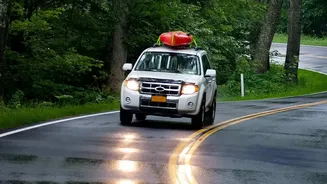
A safe monsoon drive begins before you even turn the key. If possible, check your intended route for reports of waterlogging or traffic jams. Delay your trip if conditions are severe. When you must drive, adopt a defensive mindset. Reduce your speed by about 30% and double your following distance from the vehicle ahead to give yourself more time to react. Use your low-beam headlights, even during the day, to enhance visibility for other drivers. High beams reflect off raindrops and can worsen visibility for everyone.
Navigating Waterlogged Roads
Encountering a flooded street is a common monsoon hazard. The golden rule is: when in doubt, don't drive through it. It's difficult to judge the depth of standing water, and it can conceal deep potholes or debris. If you must proceed, do so only if the water level is below the bottom of your car's bumper. Drive slowly and steadily in a low gear to maintain momentum and prevent water from entering the exhaust. Avoid creating a large bow wave, and try to follow the path of a vehicle ahead which creates a shallower wake. Most importantly, if your car stalls in water, do not try to restart the engine. This can force water into the engine, causing catastrophic and expensive damage known as a hydrostatic lock. It's safer to abandon the vehicle if water levels are rising and call for assistance.
Your In-Car Monsoon Emergency Kit
A small kit can be a lifesaver if you get stranded. Keep a few essential items in your car throughout the season. This should include a powerful torch with extra batteries, a first-aid kit, jumper cables, and a tow strap. A few microfibre cloths are invaluable for quickly clearing a fogged-up interior windshield. An umbrella, drinking water, and some snacks are also wise additions. Finally, ensure your phone is fully charged and you have the numbers for roadside assistance and your insurance provider saved.