




The Old Guard Makes Way
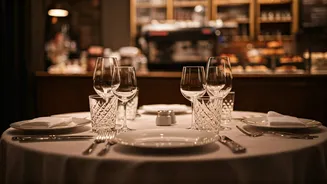
For decades, "fine dining" in urban India meant a specific kind of performance. It involved white tablecloths, whispering waiters, and a sense of formality that could feel more like an examination than a pleasure. While a culture of true fine dining in the
international sense was arguably limited to a few establishments, the aspiration often led to restaurants that felt dated and inaccessible. The pandemic accelerated a shift that was already underway, giving rise to a new appreciation for experiences that feel genuine and connected. Today's diners, particularly Millennials and Gen Z, are spending more on eating out than any other form of entertainment, but they're not looking for their parents' formal dining rooms. They want something different.
Style, Redefined
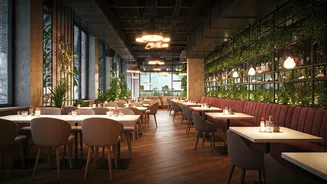
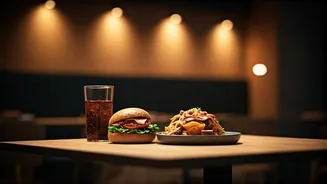
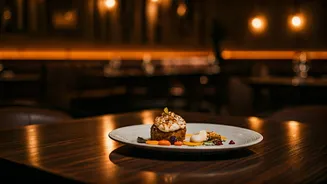
The new definition of “style” is less about opulent luxury and more about a carefully crafted, often 'Instagrammable', aesthetic. Restaurants are now designed as immersive environments, where the decor is as much a part of the experience as the food. Think of spaces with distinct personalities: bohemian and eclectic interiors, modern minimalist layouts with clean lines, or thematic decor inspired by nature or heritage. This focus on design isn't just for show; it's about creating a memorable atmosphere where diners feel comfortable and engaged. From open kitchens that turn cooking into a performance to stunning rooftop bars and art-filled courtyards, the physical space is now a key differentiator that offers a feast for the eyes.
Taste Without the Tie
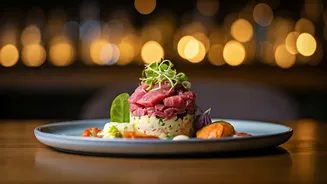
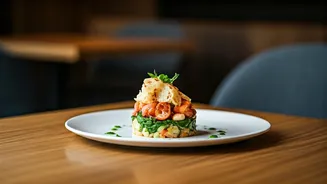
This casual revolution doesn't mean a compromise on quality. In fact, the food is more inventive than ever. Chefs are embracing modern interpretations of regional Indian cuisines, fusing local ingredients with global techniques, and presenting dishes that are both comforting and creative. The focus has shifted towards more flexible eating formats. Small plates designed for sharing, elaborate tasting menus that tell a story, and even casual indulgences like artisanal desserts and coffee are becoming central to the dining experience. This approach allows diners to sample a wider variety of flavours in a relaxed setting. Nearly two-thirds of Indian diners now prefer casual, quick formats over formal ones, signaling a major shift in how people want to eat.
The Forces Driving the Change
Several factors are fueling this transformation. The most significant is the influence of Millennial and Gen Z consumers, who prioritise experiences, authenticity, and digital-first discovery. For these generations, dining out is a core part of their social life and identity. Social media platforms have become the new word-of-mouth, where a restaurant's visual appeal can make or break its popularity. Furthermore, the post-pandemic world has amplified the desire for dining experiences that are not just meals, but opportunities for connection and fun. Diners are seeking memorable, interactive, and playful elements that take the edge off and make eating out an event to be enjoyed, not just endured.