





The Zero-Barrier Entry to Fitness
The single greatest advantage of walking and running is their accessibility. There are no membership fees, no restrictive class schedules, and no need for bulky or expensive equipment. Your gym is the network of streets, parks, and public spaces that
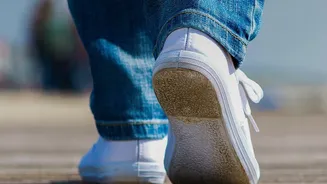
make up your city. This removes the financial and logistical barriers that prevent many from starting or sticking to a fitness routine. All you truly need is a decent pair of shoes. This low barrier to entry means fitness is not a luxury, but a daily option available to everyone, regardless of income or access to specialised facilities. It is, in its purest form, democratised wellness.
Your City Is the Perfect Gym
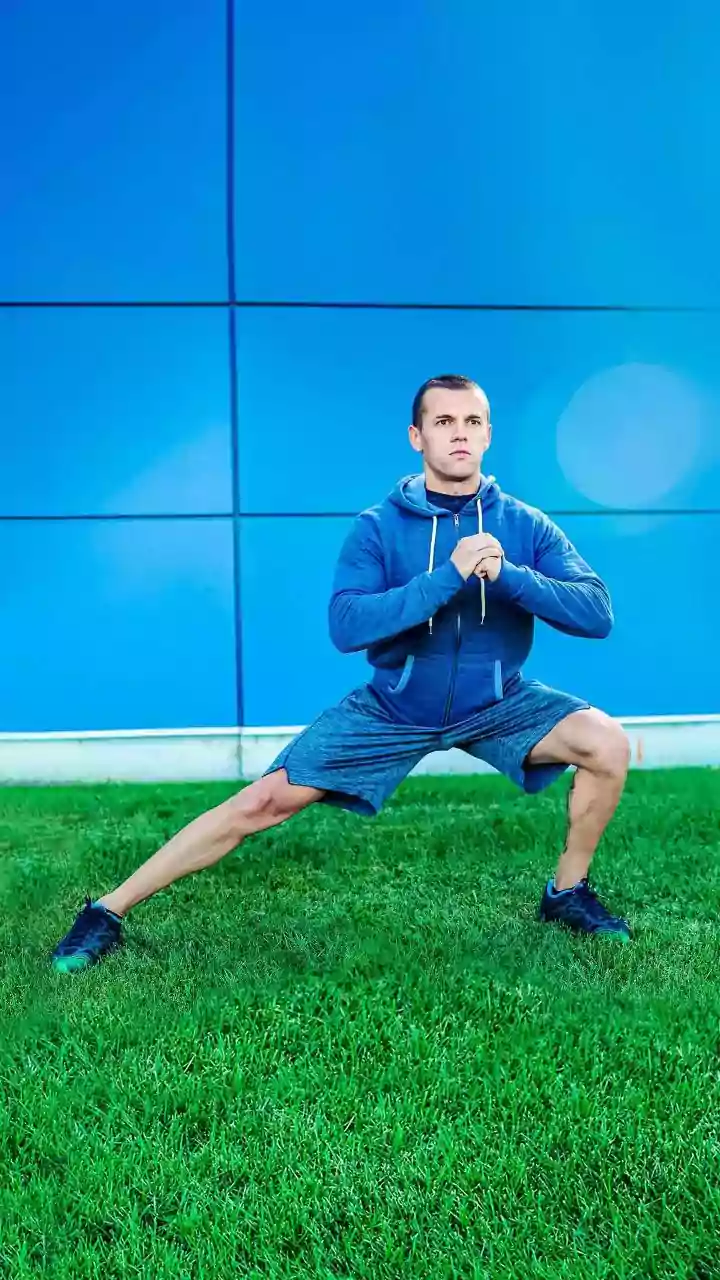
Urban environments, often seen as obstacles to a healthy lifestyle, can be reframed as dynamic training grounds. A flight of stairs becomes a glute-building machine, a sloping street offers a natural incline for resistance, and a park loop serves as a pre-measured track. The varied terrain of a city—from uneven pavements to park trails—challenges your body in ways a flat, predictable treadmill cannot. This forces smaller, stabilizing muscles to engage, improving balance and proprioception. By learning to navigate your local area on foot, you not only get a more comprehensive workout but also develop a deeper, more intimate connection with your surroundings.
A Powerful Boost for Mental Well-being
Life in a city can be a constant source of low-grade stress. Outdoor exercise is a potent antidote. Research consistently shows that physical activity in natural or 'green' environments can reduce stress, anger, and symptoms of depression more effectively than indoor workouts. Exposure to sunlight boosts the production of vitamin D and serotonin, which directly improves mood. Even short, 15-minute walks have been shown to enhance focus and memory. The simple act of moving through an open space provides a psychological release from the confines of office and apartment walls, lowering cortisol levels and promoting a sense of calm and well-being.
Building a Resilient Body from the Ground Up
Walking and running are foundational movements that build a robust and functional body. Both are excellent cardiovascular exercises, strengthening your heart, improving circulation, and increasing lung capacity. These weight-bearing activities are also crucial for maintaining bone density, which helps prevent osteoporosis later in life. For those new to exercise, walking is a low-impact starting point that is gentle on the joints while still providing significant health benefits. As fitness improves, introducing running intervals—a method known as the run-walk-run approach—can safely build endurance and aerobic capacity without overwhelming the body, reducing the risk of injury that often derails new runners.
Tips for the Urban Runner and Walker
To make the most of your city workout, a little planning goes a long way. First, prioritize safety. Be aware of your surroundings, especially if using headphones, and choose well-lit, populated routes. Tell someone where you are going, especially if exploring a new area. Second, explore and vary your paths. Use online tools or running apps to discover popular and safe routes, from quiet residential streets to scenic waterfronts and parks. This not only keeps your workouts interesting but also exposes you to different parts of your city. Finally, listen to your body. Start slow to build stamina and avoid injury. The goal is consistency, not intensity, especially when you are building your foundation.