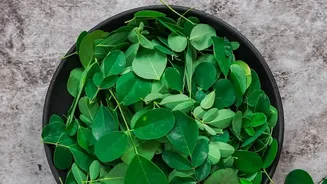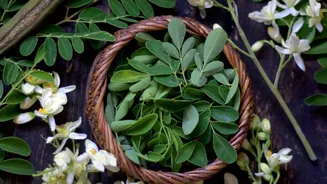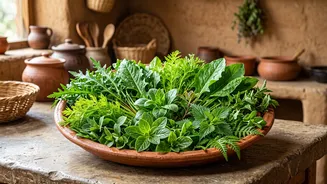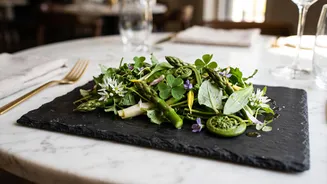


Far from urban supermarkets, the forests and fields of Central India offer a different kind of bounty. With the arrival of the monsoon, a treasure trove of wild leafy vegetables, or 'bhajis', appears, each with a unique, complex flavour.
A Different Kind of Green
When one thinks
of Indian greens, spinach, fenugreek, or mustard leaves often come to mind. But in states like Chhattisgarh and Madhya Pradesh, the term 'bhaji' encompasses a much wilder, more diverse world of edible plants foraged from forests and uncultivated land. For generations, tribal and rural communities have relied on this seasonal bounty, which forms an integral part of their cuisine and nutritional intake. These are not farmed vegetables but gifts of the land, appearing for fleeting periods, especially during the rains. This tradition of foraging and cooking wild greens is a form of culinary artistry, passed down through generations, with home cooks, particularly women, acting as the primary keepers of this immense botanical and culinary knowledge.
Chench Bhaji: The Slippery, Peppery Delight
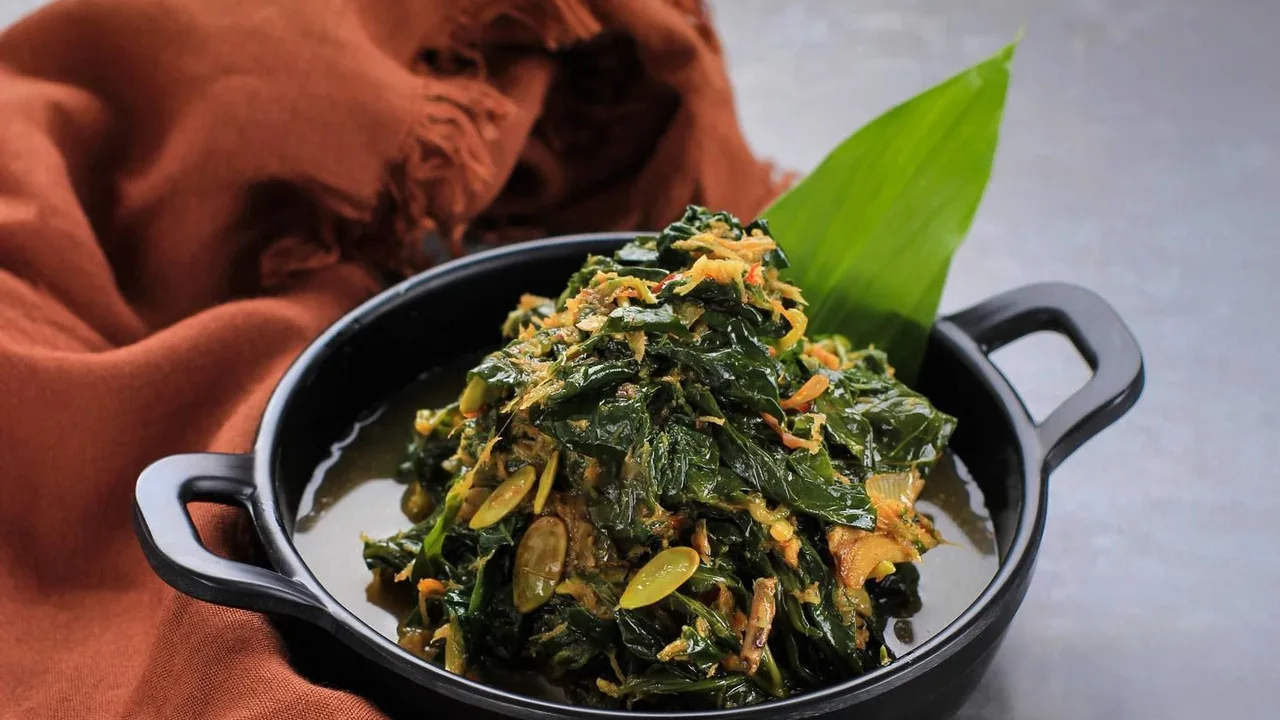
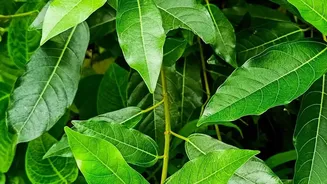
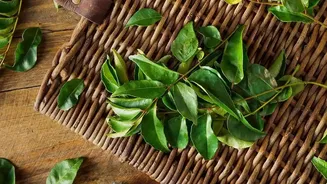
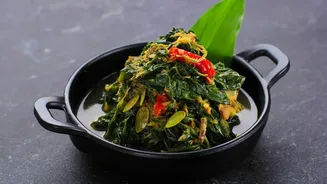
One of the most characteristic wild greens of the region is Chench Bhaji (Corchorus olitorius), also known as jute leaves. Found widely in Chhattisgarh, it has a unique, slightly slippery texture when cooked, similar to okra, and a mild, peppery flavour. Culinary artisans, primarily local home cooks, showcase its taste with simple but precise techniques. A common preparation involves sautéing the leaves with a generous amount of garlic, dried red chillies, and sometimes onion. The trick, as many cooks will tell you, is to stir it in a way that prevents it from becoming overly slimy, often using the back of the spoon. Some add tomatoes towards the end, whose acidity helps balance the texture, resulting in a rustic dish that pairs perfectly with steamed rice.
Sanai: The Delicate Flower Bud
Another foraged delicacy is the 'sanai' flower (Crotalaria juncea), which is treated as a vegetable in states like Jharkhand, Bihar, and parts of Central India. These bright yellow blossoms have a subtly sweet and earthy taste, a world away from common greens. The artisans who cook with sanai flowers know that simplicity is key. The flowers are often stir-fried with basic aromatics like garlic, green chillies, and onions. The goal is to preserve their delicate texture and unique flavour profile. In some preparations, they are ground into pastes or added to other dishes to impart their distinct taste. The Santhal tribe, for instance, are particularly fond of sanai, using it in both vegetarian and non-vegetarian preparations.
Phodshi: The Scent of the Monsoon
Perhaps no vegetable captures the essence of the monsoon better than Phodshi. Resembling a thick blade of grass, this wild green appears for only a few weeks after the first rains and is highly sought after in Maharashtra and bordering regions of Central India. It has a delicate, vegetal, and slightly earthy flavour that is truly unique. Knowing how to prepare Phodshi is a skill. The tender green stalks are chopped and often stir fried with simple ingredients like onion, garlic, and perhaps soaked chana dal or moong dal for texture. The dish is frequently finished with a sprinkle of fresh grated coconut. Its fleeting availability makes it a true seasonal delicacy, a reminder of a food system deeply attuned to nature’s cycles.
Preserving a Legacy of Flavours
The knowledge of these wild edibles is a living library of ecological and culinary wisdom. Beyond their unique tastes, these greens are powerhouses of nutrition, offering vitamins and minerals often in higher concentrations than their cultivated counterparts. However, as lifestyles change and urbanisation spreads, this knowledge is at risk of being lost. Fortunately, a new generation of chefs, researchers, and food enthusiasts are beginning to recognise the value of these forgotten foods. By documenting traditional recipes and introducing these greens to urban menus, they are not just reviving old traditions but also promoting biodiversity and a more sustainable way of eating that is rooted in the local landscape.