





A Deficient and Deceptive Monsoon
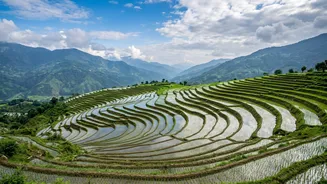
The 2026 southwest monsoon season concluded with a significant rainfall deficit, delivering only 87% of the long-period average. This makes it the fourth-lowest rainfall season since 2001. The India Meteorological Department (IMD) noted that while July
saw a slight surplus, rainfall in June and August was substantially below normal, creating an uneven and ultimately insufficient replenishment of water sources across the country. The season was marked by erratic swings, with some weeks seeing surplus rain while others faced major deficits, a pattern that fails to effectively recharge reservoirs. This performance has been linked to the developing El Niño conditions, which typically suppress monsoon rainfall in India.
The Sobering State of Our Reservoirs
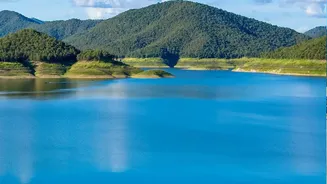
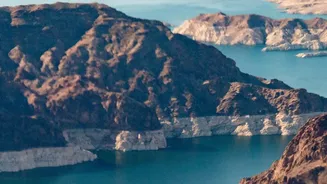
The direct consequence of the poor monsoon is alarmingly low water levels in the nation's primary reservoirs. According to the Central Water Commission (CWC), as of late September 2026, the water stored in 178 major reservoirs was at just 70% of total capacity. This is significantly below both the level recorded at the same time last year (79%) and the ten-year average of 76.62%. This national average hides even more severe regional disparities. The situation is a stark reminder that monsoon performance is the lifeline for urban water supply, impacting everything from drinking water to hydropower generation.
Southern Cities Face the Greatest Risk
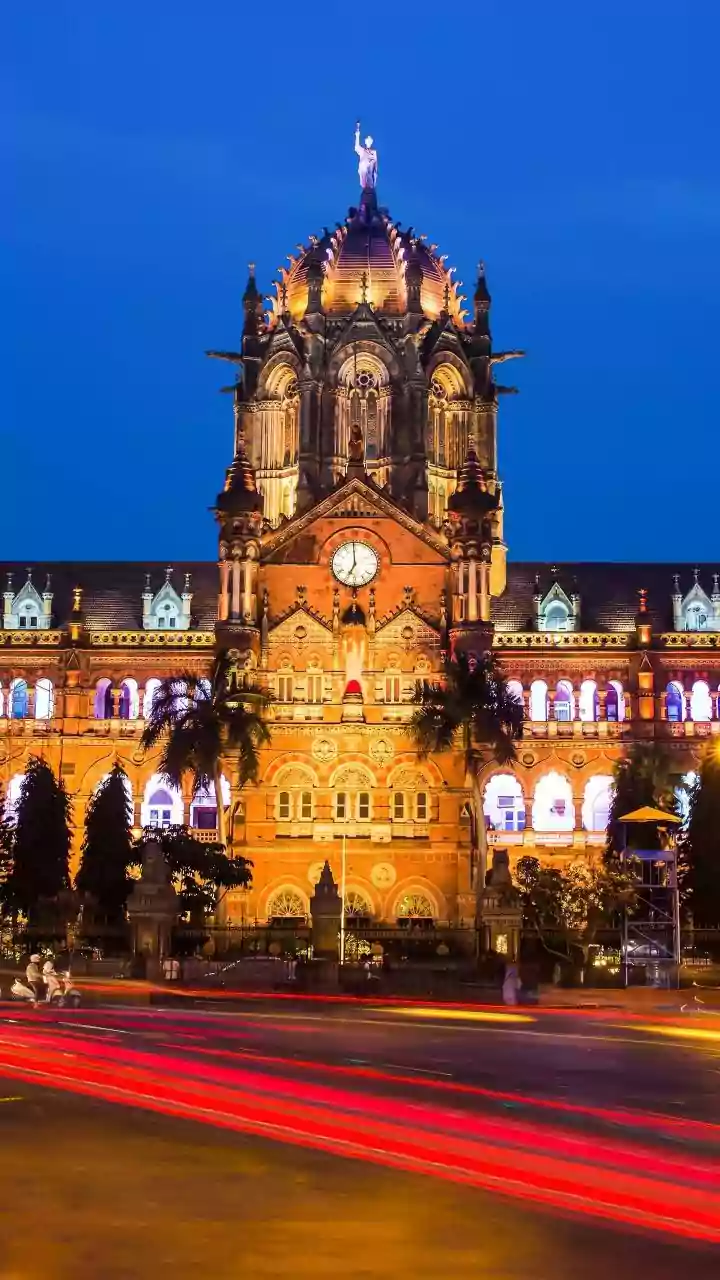
Southern India is facing the most acute water stress. Reservoirs in the region—spanning Andhra Pradesh, Telangana, Karnataka, Kerala, and Tamil Nadu—are collectively holding only 50% of their capacity. This is a dramatic drop from the 87% they held at the same point in 2025. The South Peninsula received 23% less rainfall than normal, contributing directly to this precarious situation. Cities like Bengaluru and Chennai, which have faced severe water shortages in the past, are once again on high alert. Bengaluru's reliance on distant water sources and its loss of local lakes makes it particularly vulnerable, a problem compounded by a weak monsoon. Similarly, Mumbai's water supply, dependent on seven key lakes, is only expected to last until May of next year, prompting authorities to maintain water cuts.
It's More Than Just a Lack of Rain
While a deficient monsoon is the immediate trigger, India's urban water crisis is a chronic problem rooted in deeper issues. Rapid and unplanned urbanisation has led to the disappearance of natural water bodies like lakes and wetlands that are crucial for groundwater recharge. Many cities lose an estimated 30-50% of their treated water supply due to aging, leaky distribution networks and illegal tapping. Furthermore, an over-dependence on groundwater has put immense strain on aquifers, with some reports suggesting that major cities like Delhi and Hyderabad are at risk of exhausting these resources. This combination of poor infrastructure, ecological degradation, and inefficient management means that cities struggle to retain and utilize whatever rainwater they receive, making them perpetually vulnerable.
A Difficult Winter and a Call for Action
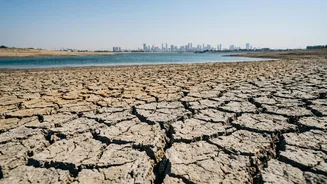
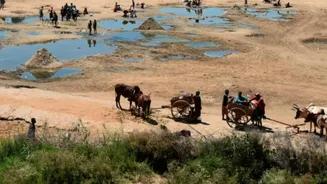
With reservoirs insufficiently filled, the coming dry months look challenging. The low water levels will not only affect drinking water availability in cities but also impact the rabi crop season, which relies heavily on reservoir water for irrigation. Droughts have already been declared in parts of major states like Maharashtra and Karnataka. The situation underscores a critical need for a shift in water management. Experts argue that cities can no longer afford to be solely dependent on the monsoon. A multi-pronged approach is essential, focusing on restoring urban water bodies, modernizing infrastructure to prevent leakages, promoting large-scale rainwater harvesting, and recycling wastewater to create a more resilient and circular water economy.