


The Day the River Broke
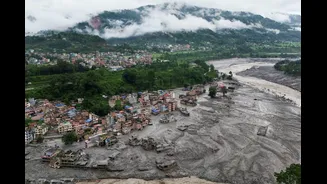
On August 26, a sudden, terrifying torrent of water, mud, and boulders crashed through the Bhote Koshi river valley in Nepal, near the border with Tibet. The disaster, which struck without the warning of heavy rainfall, swept away homes, bridges, and critical
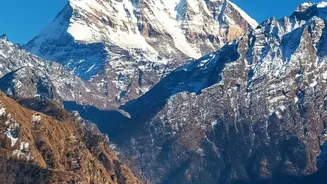
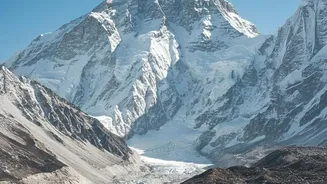
hydropower projects, causing immense destruction. Initial assessments by climate experts suggest the catastrophe was triggered by an ice-rock avalanche high in the mountains. This avalanche likely blocked the Lhende Khola, a tributary, creating a temporary dam. When this natural dam inevitably burst, it released a phenomenal surge of water downstream—a literal wall of water that offered little chance for escape.
A Himalayan Ticking Bomb: GLOFs
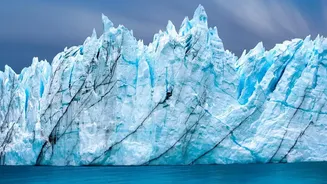
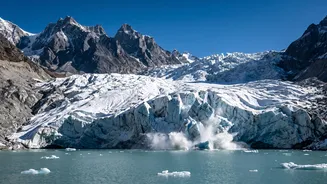
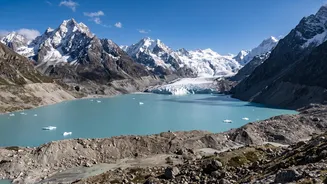
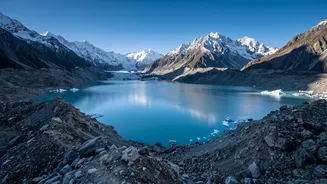
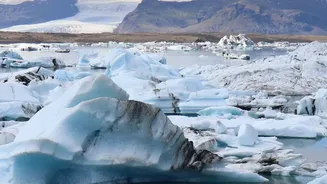
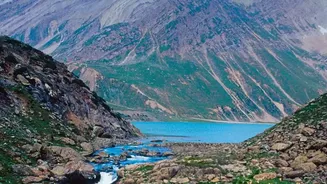
This event, while horrific, is a textbook example of a phenomenon that haunts the entire Himalayan region: a Glacial Lake Outburst Flood, or GLOF. As global temperatures rise, glaciers are melting at an accelerated rate. This meltwater forms vast lakes high in the mountains, often held back only by unstable natural dams made of moraine—a loose mixture of soil and rock left behind by retreating glaciers. These moraine dams are notoriously weak. They can be breached by a number of triggers, including avalanches falling into the lake, earthquakes, or simply the pressure of the ever-expanding volume of water behind them. When they fail, the result is a GLOF, a sudden release of millions of cubic metres of water that scours the landscape downstream with unimaginable force.
Why the Fear is Growing
Experts fear that the recent flood is not an isolated incident but a symptom of a much larger crisis. Climate change is making the Himalayan cryosphere dangerously unstable. According to the International Centre for Integrated Mountain Development (ICIMOD), Nepal has at least 21 glacial lakes identified as potentially dangerous. The region is warming faster than the global average, which means glaciers are shrinking and the lakes behind them are growing, increasing the pressure on their fragile natural dams. The Lhende Khola, the river at the heart of the recent disaster, has now flooded twice in just 14 months, a stark indicator of the escalating risk. Scientists warn that as warming continues, the frequency and intensity of these events are projected to rise.
The Threat of a Second Wave
The immediate concern following the August 26 disaster is the potential for another, even larger flood. Experts from ICIMOD have warned that a blockage may still be lodged upstream near the Nepal-China border. This precarious situation has prompted evacuation orders and heightened anxiety in the region. The fear is that this partial dam could fail, unleashing another catastrophic surge. These events are incredibly difficult to predict, as they are not tied to weather forecasts. The lack of rainfall preceding the recent flood made conventional warning systems useless, highlighting the unique danger posed by GLOFs. The destructive power of these floods lies not just in the water, but in the slurry of mud, rock, and debris it carries, which can be even more lethal and destructive than a normal flood.
A Race Against a Melting Clock
Addressing the GLOF threat is a monumental challenge. It involves complex, high-altitude engineering to lower the water levels in the most dangerous lakes, as well as the implementation of sophisticated early-warning systems that can detect upstream events and give downstream communities precious minutes to evacuate. These solutions are expensive and technically demanding. For communities living in the shadow of these ticking time bombs, and for nations like Nepal and India that share the Himalayan river basins, the recent disaster is a grave warning. It underscores the urgent need for regional cooperation and investment in climate adaptation to manage a threat that is already locked in by decades of global warming.