




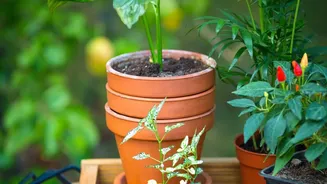
Why August is a Golden Month for Pruning
Throughout the monsoon, your plants have been soaking up water, leading to a surge of vigorous, often leggy, growth. August provides a crucial window to step in. Pruning now helps manage this rapid expansion and redirects the plant's energy. Instead of fueling
excess leaves, the plant is encouraged to develop stronger branches and, most importantly, produce more flowers and fruit. Thinning out dense foliage also improves air circulation, which is vital for preventing fungal diseases that thrive in the monsoon's humidity. It's a proactive step that safeguards plant health and prepares it for a spectacular post-monsoon display.
What to Prune in Your Indian Garden Now
Not all plants respond well to an August trim. The key is to focus on those that have finished their main flowering or are growing aggressively. Flowering shrubs like hibiscus, bougainvillea, and roses respond beautifully to light pruning and deadheading now, which encourages a new flush of blooms. Many perennial flowering plants can also be cut back to trigger a second bloom. Tall climbers like wisteria benefit from having their long, whippy shoots trimmed back to encourage the formation of flowering spurs for next year. However, avoid heavy pruning during continuous, heavy rain, as it can slow the plant's recovery. A dry morning is the ideal time to make your cuts.
The Right Tools and Clean Techniques
Using the wrong tools can do more harm than good, crushing stems instead of cutting them cleanly. A sharp pair of secateurs, or bypass pruners, is essential for most tasks. For thicker branches, you might need loppers. The most critical rule is to ensure your tools are clean. Disinfecting your blades with a simple alcohol rub before and after pruning, especially between plants, helps prevent the spread of diseases. When you make a cut, aim for a spot just above a node—the small bump where a leaf or branch emerges. Angling the cut slightly helps water run off, reducing the risk of rot.
The Art of the Cut: A Three-Step Approach
Pruning can feel intimidating, but you can simplify it by following a clear process. First, focus on maintenance by removing the 'three Ds': any dead, diseased, or damaged wood. These branches offer no value and can harbor pests and diseases. Next, work on thinning. Snip away branches that are crossing or rubbing against each other to improve the plant's structure and airflow. Finally, focus on shaping. Step back periodically to look at the plant's overall form. Trim back overgrown stems to maintain a balanced and aesthetically pleasing shape, but avoid removing more than one-third of the plant at once.
Post-Pruning Care for a Strong Recovery
Pruning is a bit of a shock to a plant's system, so a little aftercare goes a long way in helping it bounce back stronger. After a good trim, support the new growth by applying a balanced fertilizer. This provides the necessary nutrients for the plant to heal and push out fresh shoots and flowers. Ensure the plant is well-watered in the days following the prune, especially if the rains are inconsistent. Keep an eye on the fresh cuts and new growth. This allows you to quickly spot any signs of stress or pests and appreciate the new, fuller shape your plant begins to take.