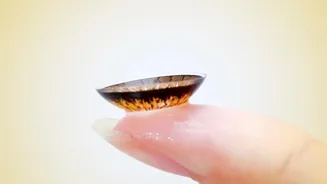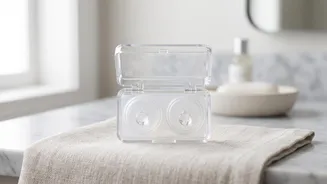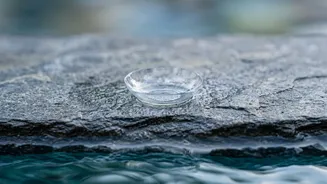


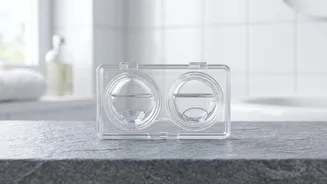


For contact lens wearers, daily habits can mean the difference between clear, comfortable vision and a serious eye infection. It all comes down to two simple rules: always use proper lens solution and never, ever mix your lenses with water.
Why Water Is Your Contact Lens’s Worst Enemy
It might seem
harmless to rinse your lenses with tap water or hop in the shower with them, but all water—tap, pool, ocean, lake, and even bottled—is a major risk. Water is not sterile and contains countless microorganisms. One of the most dangerous is an amoeba called Acanthamoeba. This organism is commonly found in all water sources and can cause Acanthamoeba keratitis, a rare but severe and painful infection of the cornea. The infection is notoriously difficult to treat and, in serious cases, can lead to permanent vision loss or require a corneal transplant. Water also causes soft contact lenses to swell, change shape, and stick to the eye, which can scratch the cornea and make it easier for germs to invade.
What Your Lens Solution Actually Does
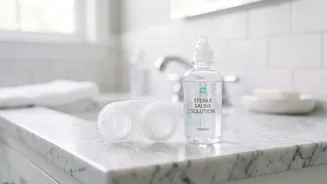
Many people mistakenly believe that saline solution is the same as a multipurpose disinfecting solution, but they serve very different purposes. Saline is simply a sterile, pH-balanced saltwater rinse; it contains no cleaning or disinfecting agents. Storing lenses in saline does nothing to kill the germs that accumulate during the day. A proper multipurpose solution is a complex formula that cleans, rinses, disinfects, and stores your lenses. It contains surfactants to remove debris and deposits, and crucial disinfecting agents that kill harmful bacteria, fungi, and other microbes. Hydrogen peroxide-based systems offer an even deeper clean, using a powerful agent that is neutralized into simple saline by a special case before the lenses are safe to wear. These solutions are specifically designed to keep your lenses safe and your eyes healthy.
The 'No Water' Rule: A Simple Guide
To keep your eyes safe, health authorities like the CDC are clear: contact lenses should be removed before any activity involving water. This includes:
- Showers and Baths: Even a quick shower can expose your lenses to harmful microbes from tap water.
- Swimming: Pools, lakes, and oceans are teeming with microorganisms. Chlorine does not kill all pathogens, and natural bodies of water pose an even higher risk.
- Hot Tubs: The warm water in hot tubs can be a breeding ground for bacteria.
- Rinsing Lenses or Cases: Never use tap water to rinse your lenses or your storage case. Always use fresh disinfecting solution for this purpose.
If your lenses are accidentally exposed to water, you should remove them as soon as possible with clean, dry hands. It's safest to discard them, but if they are reusable, they must be thoroughly cleaned and disinfected overnight before being worn again.
Your Daily Care Routine, Simplified
Establishing a consistent and correct cleaning routine is the best way to protect your eyes. Always start by washing your hands thoroughly with soap and drying them with a clean, lintfree towel. When you remove a lens, place it in the palm of your hand, apply a few drops of fresh solution, and gently rub it with your finger for about 20 seconds. This 'rub and rinse' step is critical for removing deposits and is recommended by most manufacturers and eye doctors. After rubbing, rinse the lens thoroughly with more solution before placing it in a clean case. Fill the case with fresh solution—never top off old liquid, as this dilutes its disinfecting power. Finally, rinse your lens case with fresh solution (not water) each morning and let it airdry upside down on a clean tissue. Remember to replace your case at least every three months.