



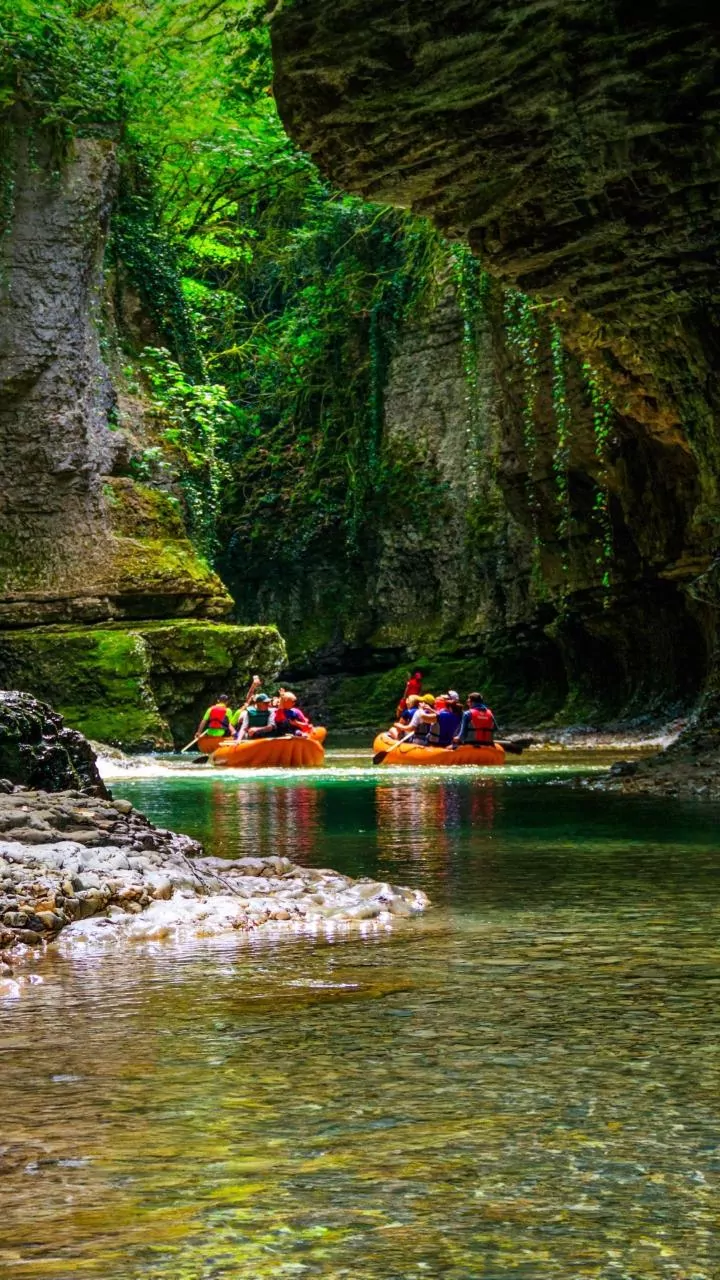



The Two Sides of an Emerald River
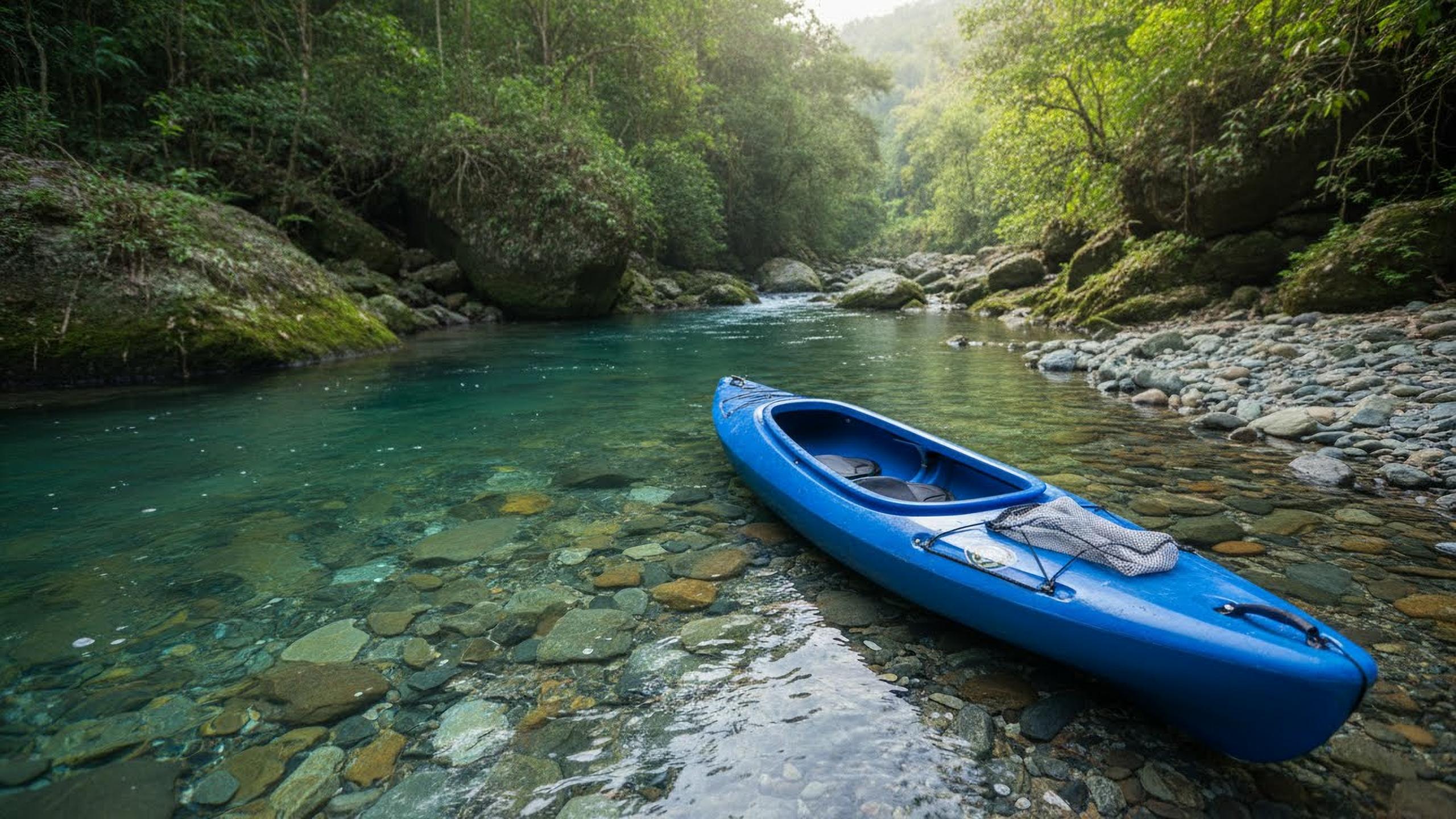
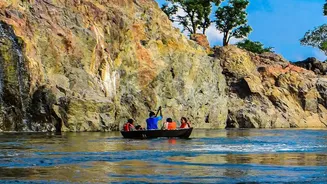
Imagine a boat that seems to float in mid-air, suspended over a riverbed of colourful stones. This is the magic of the Umngot River in places like Dawki and Shnongpdeng, an image that has captivated travellers from across the globe. For years, Meghalaya,
the 'Abode of Clouds', has been celebrated for its pristine landscapes, from living root bridges to cascading waterfalls. The local Khasi and Jaintia communities have long held a deep connection to nature, fostering a culture of preservation seen in sacred groves and traditions of cleanliness. Yet, this paradise is facing a modern threat. Increased tourism, while economically beneficial, has brought with it a surge in plastic waste and other garbage, which finds its way into these iconic waterways, marring their beauty and threatening the delicate ecosystem. Concerns over pollution in rivers like the Umngot and the Wah Umkhrah in Shillong have grown, prompting a search for sustainable solutions.
Paddles, Pickers, and Purpose
In response, a unique and inspiring model of eco-tourism has taken root. Local adventure tour operators, particularly those offering kayaking and camping, have begun integrating cleanup drives into their itineraries. These are not just token gestures; they are becoming a core part of the experience. The concept is simple but effective: equip tourists with not only paddles and life jackets but also gloves and garbage bags. As kayakers explore the serene waters, they are encouraged to collect any floating plastic bottles, wrappers, and other debris they encounter. This turns a recreational activity into a mission-driven adventure. It empowers visitors, transforming them from passive sightseers into active custodians of the environment they have come to admire. The initiatives are often community-led, with local guides and entrepreneurs taking the lead, ensuring the benefits and the sense of ownership remain within the community.
The Rise of the Citizen Guardian
This trend is part of a broader, citizen-led conservation movement sweeping across Meghalaya. In Patharkhmah, a community gathering to clean the Umshait River demonstrated the power of public participation, leading to the formation of a formal volunteer group called the 'Green Force'. Similarly, initiatives like 'Operation Clean-Up' have been working since 2019 to restore rivers like the Umkaliar near Shillong, often in collaboration with local village councils (Dorbar Shnong). These grassroots efforts highlight a growing environmental consciousness. Tourists are also showing a greater desire for sustainable travel, with studies indicating that many visitors to Meghalaya are environmentally aware and keen to support eco-friendly businesses and participate in conservation. The kayaking cleanups perfectly capture this synergy, offering a tangible way for both locals and travellers to make a visible, immediate impact.
More Than Just a Clean River
The impact of these campaigns extends far beyond the kilograms of waste removed from the water. They are fundamentally changing the narrative of tourism in the region. By involving visitors in the cleanup, operators foster a deeper connection and respect for the local environment. It becomes an educational experience, raising awareness about consumption habits and waste management in a powerful, hands-on way. For the local communities, it reinforces a sense of pride and responsibility. This model aligns with the state's broader push for sustainable, community-based tourism, which aims to generate livelihoods without harming the natural and cultural heritage. It proves that adventure and environmental stewardship do not have to be separate; in fact, they can mutually enhance one another, creating a more meaningful and memorable travel experience.