



Northern India's Pious Fast
In much of North India, Navratri is a time for introspection and spiritual cleansing through fasting. Many devotees observe a 'vrat' or fast, abstaining from grains like wheat and rice, as well as onions, garlic, and regular table salt. Instead, the pantry
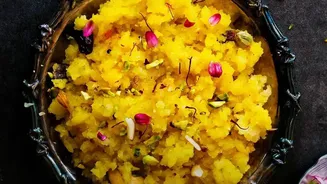
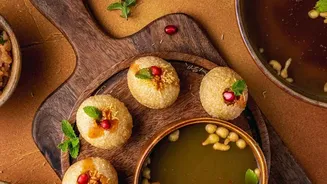
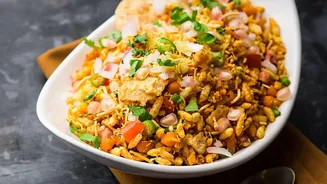
is filled with 'vrat-friendly' flours like buckwheat (kuttu atta) and water chestnut (singhara atta), and rock salt (sendha namak) is used for seasoning. Meals are light yet nourishing, featuring dishes like Sabudana Khichdi, potatoes cooked in a simple tomato gravy, and fruit chaats. The fast culminates on the eighth or ninth day with Kanya Pujan, a beautiful ritual where young girls, seen as embodiments of the goddess, are worshipped and offered a special meal of puri, halwa, and dry black chickpeas (kala chana).
Gujarat's Dance of Devotion
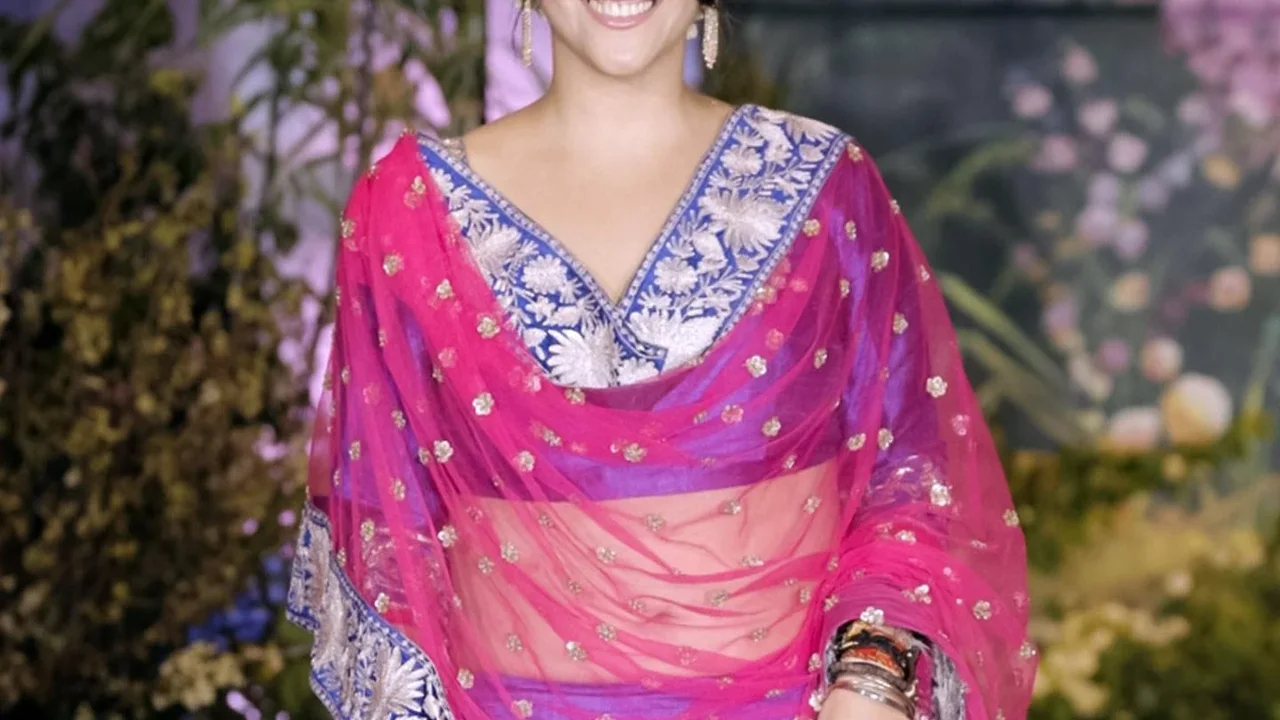
In Western India, particularly Gujarat, Navratri explodes into a spectacle of music and movement. The nights are dominated by the energetic folk dances of Garba and Dandiya Raas. These dances are not just entertainment but a form of community worship, with participants moving in circles to symbolize the cyclical nature of life. While the evenings are for dance, the days follow the fasting traditions seen in the north. The fasting cuisine here is similarly rich with alternatives like amaranth flour (rajgira) and barnyard millet (sama). Popular fasting foods that provide energy for the night's festivities include Sabudana Vada, Kuttu ki Puri, and various sweet milk-based preparations.
Bengal's Grand Puja Feast
In West Bengal and other eastern states, Navratri coincides with Durga Puja, the region's biggest festival. Here, the sentiment shifts from fasting to feasting. The celebration marks the homecoming of the goddess Durga, who is treated as a beloved daughter returning to her maternal home. Unlike in other parts of India, abstinence is replaced with abundance. While the ritual offering or 'bhog' is strictly vegetarian—often consisting of khichuri, a mixed vegetable dish called labra, and various fried items—the wider celebration joyfully includes non-vegetarian delicacies. Community pandals serve the vegetarian bhog to all visitors, fostering a spirit of togetherness.
The Southern Showcase of Divinity
Down in the southern states of Tamil Nadu, Karnataka, and Andhra Pradesh, Navratri takes on an artistic and social dimension with the tradition of 'Golu' or 'Bommai Golu'. Homes are decorated with tiered steps displaying an elaborate collection of dolls and figurines that depict gods, goddesses, and scenes from daily life. This tradition turns into a social occasion as friends and family visit each other's homes to admire the Golu displays. A key part of this hospitality is the 'sundal', a simple and nutritious dish made from boiled legumes like chickpeas, seasoned with mustard seeds, curry leaves, and grated coconut. Each day, a different kind of sundal is prepared as 'prasadam' and offered to guests, making it a unique culinary signature of South Indian Navratri celebrations.