





When a video game launch is big enough, it stops being a digital event and becomes a real-world phenomenon. That’s precisely what happened with Grand Theft Auto 6, which didn’t just dominate screens but also kitchens and delivery routes across the nation.
The Grand Theft Auto Effect
To understand the surge in late-night food orders, you first have to grasp the sheer scale of Grand Theft Auto. It's not just a popular game; it's a cultural titan. The previous installment, GTA V, sold nearly 230 million copies and earned over a billion dollars in its first three days back in 2013. After more than a decade of anticipation, the November 19, 2026, release of GTA 6 was less a product launch and more a global event. With pre-orders topping $1.5 billion before it even went live, millions of players were ready to call in sick, close the blinds, and disappear into the sprawling state of Leonida. This level of mass immersion creates a unique economic ripple, creating an 'attention black hole' that reshapes daily routines and spending habits for millions.
Gaming Marathons and Delivery Apps
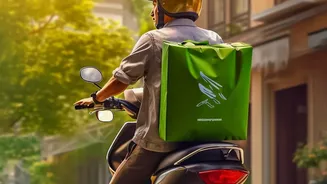
The connection between gaming and food delivery is a strong one. Studies have shown that dedicated gamers are a prime demographic for delivery services, often ordering more frequently than average customers. When a game as absorbing as GTA 6 arrives, players settle in for marathon sessions that can last from dusk till dawn. The last thing they want to do is pause their meticulously planned heist or high-speed chase to cook a meal. This creates a perfect storm for late-night delivery. Food delivery platforms like DoorDash and Uber Eats have become the unofficial support system for these gaming binges, delivering fuel in the form of pizzas, burgers, and energy drinks directly to the couch. Recognizing the pattern, these companies often prepare for major cultural events, knowing a captive audience is just a few taps away from a midnight snack.
The Data Behind the Dinner Rush
The numbers from the GTA 6 launch confirmed what many analysts predicted. On launch night, Uber Eats reported that late-night orders in Miami—the real-world inspiration for the game's Vice City—jumped by over 30%. Nationwide, the demand for specific 'gamer-friendly' items skyrocketed, with orders for Red Bull and Totino's Pizza Rolls increasing by 95% and 54%, respectively. DoorDash saw a similar pattern, with late-night orders for burgers and pizza rising more than 10%. Market intelligence firm Sensor Tower had forecasted a massive demand wave, estimating up to 50 million extra food app visits in the 30 days following the game’s release. Even the types of food deals offered were strategic; Uber Eats highlighted promotions on items that could be eaten with one hand, allowing players to keep the other on the controller.
A Ripple Across the Economy
The impact wasn't just on food. The launch of GTA 6 was so significant that it affected other sectors of the economy. Competing video games saw their daily player counts drop as everyone flocked to the new title. Streaming platforms like Twitch saw advertising demand triple for GTA content, minting new online stars overnight. At the same time, economists noted a tangible impact on productivity, with an estimated 1.5 million workers taking time off, potentially costing the US economy over a billion dollars in lost productivity. Even sales of physical goods like new controllers and HDMI cables saw a massive spike of over 400% on delivery apps as players geared up. This illustrates how a single piece of entertainment can act as its own economic engine, diverting consumer attention and spending on a massive scale.