

The Monsoon Makeover
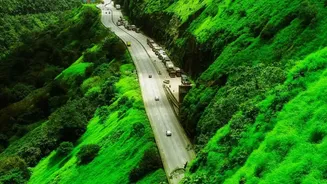
From June to September, the monsoon breathes new life into the ancient hills of the Western Ghats, which stretch across states like Maharashtra, Goa, Karnataka, Kerala, and Tamil Nadu. The dry, dusty landscape erupts into a thousand shades of green, waterfalls
cascade down cliffsides with newfound force, and rivers swell with fresh rain. The air fills with the scent of wet earth and blooming wildflowers. This transformation creates a sensory experience unlike any other, offering a respite from city heat and a chance to see nature at its most vibrant. It’s a time when mist swirls through villages and the entire ecosystem comes alive, from the chorus of frogs to the rich biodiversity that makes this a UNESCO World Heritage Site.
Choosing Your Destination Wisely
Not all spots in the Ghats are equally accessible or safe during heavy rains. Well-managed hill stations with reliable infrastructure are your best bet. In Maharashtra, popular choices include Mahabaleshwar and Malshej Ghat. Karnataka offers the misty hills of Coorg (Kodagu) and the rainforests of Agumbe, often called the 'Cherrapunji of the South'. Further south, Kerala's Munnar and Wayanad become lush wonderlands, while Valparai in Tamil Nadu offers stunning green vistas with fewer crowds. It's crucial to check local conditions before you travel, as authorities may restrict access to areas prone to landslides or flooding. Some experiences, like spotting fireflies in the Sahyadris or guided frog-watching walks, are unique to this season and are becoming popular, conservation-linked attractions.
Your Essential Monsoon Packing List
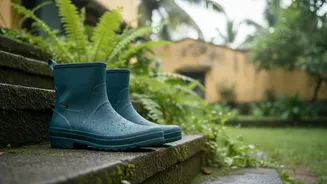
Preparation is everything. The key is to stay dry and comfortable without being weighed down. First, your footwear must have excellent grip for slippery, muddy trails; sports sneakers won't cut it. Pack lightweight, synthetic clothing that dries quickly. Cotton is a poor choice as it absorbs moisture and takes forever to dry in the humid air. A reliable waterproof jacket or a poncho that can cover you and your backpack is non-negotiable. To protect your electronics and spare clothes, use dry bags or zip-lock pouches. A basic first-aid kit is essential, upgraded with antiseptic liquid, insect repellent, and supplies to deal with leeches, which are common in wet forests.
Safety on the Trail
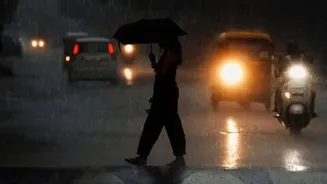
The beauty of the monsoon comes with inherent risks. Always check the weather forecast before and during your trip. Avoid trekking alone on unfamiliar trails and consider hiring a local guide who understands the terrain. Never attempt to cross swollen streams or get too close to the edge of powerful waterfalls for selfies. Roads can be slippery and visibility poor, so if you are driving, ensure your vehicle's tyres and wipers are in good condition and drive slowly. Inform someone not on the trip about your itinerary and expected return time. Many popular trekking routes may be officially closed for safety, so respect these warnings.
The Unique Rewards
The reward for your careful planning is an experience that lingers long after you've dried off. It’s the peace of traversing less-crowded paths, as the monsoon is still considered the off-season for many tourists. It’s the joy of savouring a hot cup of chai and a plate of bhajiyas at a roadside stall while watching the rain fall. Beyond the spectacular landscapes, you’ll encounter a region buzzing with life. The biodiversity is at its peak, with amphibians, insects, and birds becoming more active. A monsoon trip to the Western Ghats is not just about seeing the sights; it's about immersing yourself in a world that is temporarily transformed, wilder, and more alive.