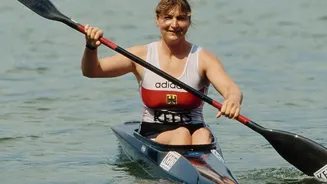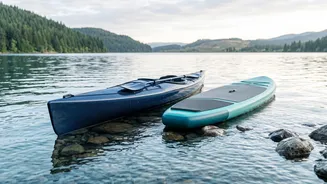








The call of open water is tempting, but it comes with a classic question for newcomers: kayak or stand-up paddleboard? Both offer a fantastic escape, but the choice boils down to a fundamental difference in your connection to the water.
Stability: Seated Security vs. A Balance Challenge
For many beginners,
the biggest question is about stability. A kayak is the clear winner for immediate confidence. Because you are sitting low in the craft, your centre of gravity is much lower, making kayaks inherently stable and difficult to tip. This makes them ideal for those who are worried about balance or are paddling in slightly choppy conditions. A stand-up paddleboard (SUP), by contrast, requires active balance from the moment you stand up. While beginner boards are wide and designed for stability, mastering the art of standing while paddling has a steeper learning curve. However, many find the challenge of improving their balance part of the fun.
The Workout: Upper Body Power vs. Full-Body Conditioning
While many assume kayaking is just an arm workout, a proper stroke engages the entire core, including the back and obliques, for rotation and power. It’s an excellent upper-body and core-focused exercise. Stand-up paddleboarding, however, provides a more comprehensive, full-body workout. Merely balancing on the board continuously engages your legs and core stabilizer muscles. Every paddle stroke works your arms, shoulders, and back, creating a low-impact workout that improves core strength, posture, and balance all at once. If your goal is total body conditioning, SUP has the edge.
Point of View: An Intimate Glide or a sweeping Vista
The posture you hold dramatically changes your perspective. In a kayak, you sit close to the water's surface, offering an intimate, water-level view of your surroundings. This low profile is perfect for quietly exploring narrow channels and getting close to shoreline wildlife. A paddleboard gives you a 'walking on water' feeling. Standing high above the surface provides a superior vantage point, allowing you to see down into the water to spot fish or submerged features, and offering a broader, more sweeping view of the landscape.
Versatility and Conditions: Which is Right for the Day?
Kayaks generally perform better in a wider range of conditions. Their low profile makes them less susceptible to wind, and they can handle choppy water more easily than a paddleboard. This makes them a more reliable choice for long-distance touring or on windy days. Paddleboards are at their best in calmer waters. Their versatility shines in other ways; the flat, open deck serves as a perfect platform for on-water yoga, fishing in shallows, or simply sunbathing and jumping in for a swim. Inflatable paddleboards also have a major advantage in portability and storage, as they can be packed down into a large bag.
The Learning Curve: Getting Started on the Water
Most people find it easier to get started in a kayak. The inherent stability means you can be paddling and exploring within minutes, with less initial coordination required. Mastering an efficient paddle stroke takes time, but the basics are very intuitive. Paddleboarding requires a bit more patience. Your first session will likely involve learning to find your balance, moving from kneeling to standing, and probably a few tumbles into the water. However, once you find your footing, the feeling of gliding while standing is incredibly rewarding.