


A New Culinary Identity
For years, the Indian café was a predictable space: a place for a quick coffee, a business meeting, or a slice of banana bread. The food menu was often an afterthought, a supporting character to the main event—the caffeine. But that model is evolving.
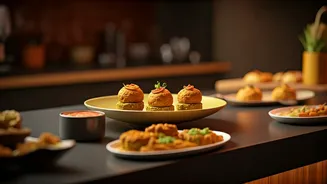
A new generation of independent cafés is emerging, driven by a desire to create a distinct culinary identity rooted in Indian heritage. This isn't about diluting traditional flavours for a global palate; it's about celebrating them. The movement is fuelled by chefs and entrepreneurs who see café food not as a lesser cuisine, but as a serious category of its own, designed for the rhythms of modern life. Factors like increased global exposure, a rising interest in authentic regional ingredients, and a younger, more adventurous clientele have created the perfect environment for this trend to flourish.
Reinventing Regional Classics
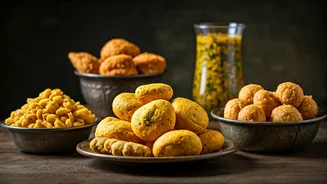
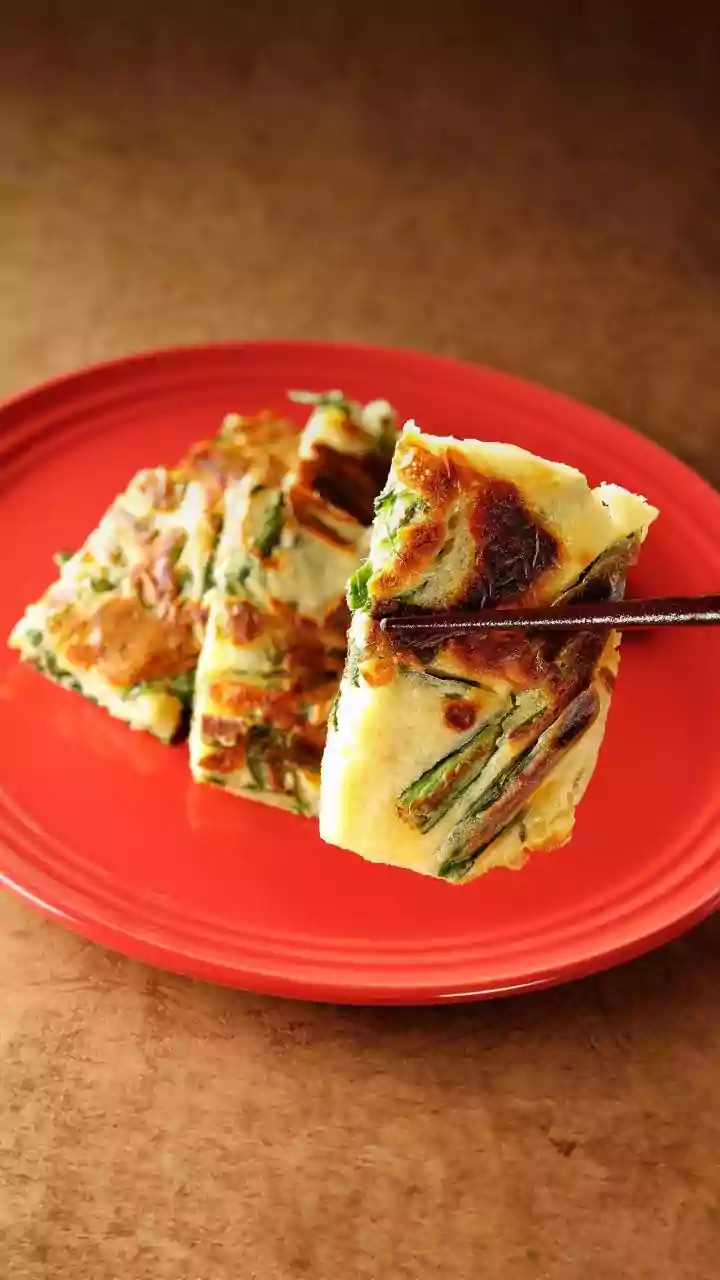
The magic of this trend lies in the creative reinvention of beloved regional dishes. In Hyderabad, NAAD café expresses its philosophy of translating Indian flavours into a café format with its Beetroot Thecha Toast. This dish takes the fiery Maharashtrian chutney, traditionally made on a stone grinder, and pairs it with earthy beetroot on artisanal toast, creating something both new and familiar. Similarly, in Pune, Café Lento caters to the city's vibrant vegetarian community with its 'Cornlette'—a savoury pancake made from corn purée and white pea flour. It's a clever riff on India's diverse family of pancakes like cheela and dosa, served with a unique banana chilli salsa that bridges the gap between an Indian chutney and a Mexican salsa.
From the Coasts to the Hills
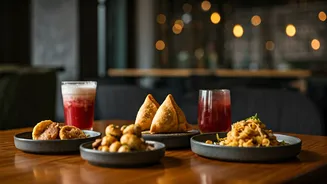
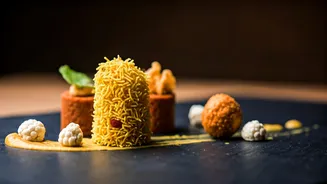
This movement is not confined to one or two cities but is a pan-India phenomenon. In Mumbai, The Gulmohar, co-founded by Umang Bhimrajka, aims to be a comfortable, proudly Indian space. Its menu, curated by Chef Shailendra Kekade, reinterprets regional cuisine for everyday dining with offerings like Kaju Usali served with Goli Baje, and plates of Kharda Mutton. The goal is to make these flavours feel light and accessible. Meanwhile, in Kolkata, The Red Bari, housed in a century-old colonial mansion, focuses on conscious sourcing. A standout dish is its Mallifulo Brown Rice Congee, made with heritage rice sourced directly from Bengal farms, showcasing a deep connection to local agriculture. Even in Leh, the Old Road Café and Bar incorporates Silk Route history into its menu with dishes like the 'Samso', a local version of the samosa that pays homage to the region's history as a trading hub.
More Than Just a Menu
This fusion is about more than just food; it's about creating a holistic experience. The aesthetic of these cafés—often minimalist, with an emphasis on natural light and clean design—provides a modern backdrop for dishes steeped in tradition. It's a space where you can sip on a specialty single-origin coffee while enjoying a snack that tastes of your grandmother's cooking. This blending of worlds is making regional food more accessible and appealing to a new generation that may not have encountered these dishes otherwise. It's a cultural bridge, connecting India's rich culinary past with its globalised present. These establishments are becoming community hubs that celebrate local identity in a contemporary, approachable setting.