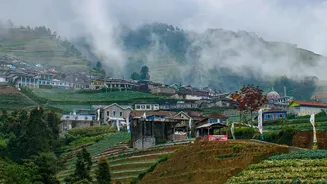


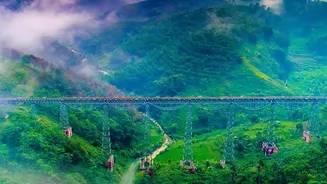

Embracing the Monsoon's Magic
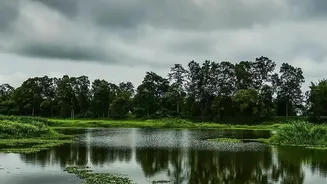
Conventional travel wisdom tells us to chase the sun, but for a growing number of travellers, the real magic happens when the clouds roll in. This is especially true in Northeast India, a region that comes alive during the monsoon. From June to September,
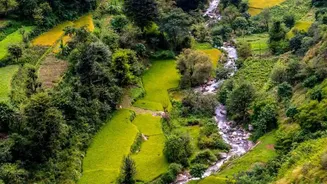
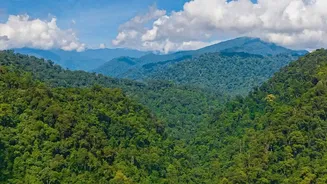
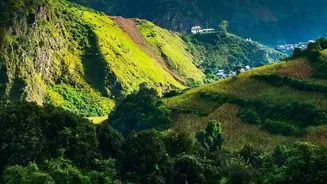
the rain doesn't just fall; it orchestrates a symphony of renewal. The air becomes crisp and clean, the forests turn a hundred shades of impossible green, and the entire landscape pulses with life. To travel here during this time is to witness nature at its most dramatic and generous. It's a journey for the senses: the smell of wet earth, the roar of a waterfall, the taste of a hot cup of tea in a misty bungalow. This is slow travel, a chance to disconnect from itineraries and reconnect with the rhythm of the land.
Meghalaya: The Abode of Clouds
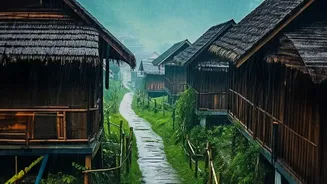
Meghalaya, whose name translates to "Abode of Clouds," is the undisputed heart of India's monsoon experience. It's home to Cherrapunji and Mawsynram, two of the wettest places on Earth, where rain is a way of life. During the monsoon, waterfalls that are mere trickles in the dry season become thundering giants. The iconic Nohkalikai Falls, one of India's tallest plunge waterfalls, is a breathtaking sight in its full, roaring glory. The famous living root bridges, marvels of bio-engineering crafted by the Khasi people, become even more enchanting when shrouded in mist and surrounded by dripping, moss-covered trees. Exploring the misty canyons of Laitlum or the well-lit Mawsmai Cave offers a different perspective on this rain-soaked world, proving that beauty isn't just in the sunshine, but also in the dramatic interplay of cloud, water, and stone.
Assam: Emerald Tea Gardens and River Journeys
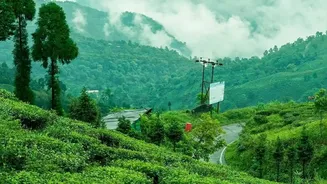
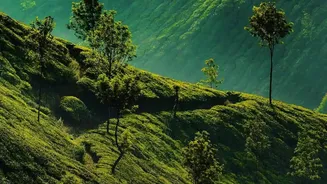
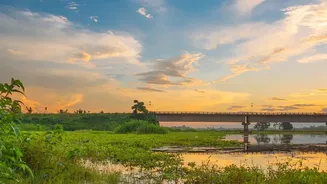
While Meghalaya offers dramatic vertical landscapes, Assam unfolds in rolling green vistas. The state, which produces over half of India's tea, is transformed by the monsoon. The endless tea gardens of Dibrugarh and Jorhat become impossibly lush and vibrant, their emerald leaves washed clean by the daily showers. Staying in a colonial-era tea bungalow during the rains is an experience in itself—a throwback to a slower, more contemplative era. The mighty Brahmaputra River, swollen with monsoon waters, takes on a powerful, majestic character. While some wildlife sanctuaries like Kaziranga National Park may have restricted access, the monsoon offers a unique perspective on the riverine life and culture that flourishes along its banks, making it a different kind of safari.
The Meaning in the Mist
What makes a monsoon journey truly meaningful is the shift in perspective it demands. With fewer tourists, travel becomes more intimate and personal. The weather encourages you to slow down, to spend an afternoon reading by a window as rain patters on the roof, or to have long conversations with local hosts over endless cups of chai. It's an opportunity for cultural immersion, whether it's learning about the unique traditions of the Khasi in Meghalaya or the tea-plucking communities in Assam. This kind of travel fosters a deep appreciation for how life adapts to and celebrates the rain, turning what is often seen as an inconvenience into the very source of the region's unique character and resilience.
A Practical Guide to a Wet Wonderland
A trip to the Northeast during monsoon requires some practical planning. Good waterproof gear, including a reliable raincoat and water-resistant footwear, is non-negotiable. While major roads are generally well-maintained, travel times can be longer due to rain or fog, so building buffer days into your itinerary is wise. Embrace local transport where possible and book accommodations in advance, especially in popular spots. Most importantly, bring a flexible and adventurous mindset. The unpredictable weather is part of the charm; a cancelled plan can lead to an unexpected and memorable detour. A morning that starts with dense fog can clear up to reveal a stunning valley view, rewarding those patient enough to wait.