





The Mini-Meal Myth
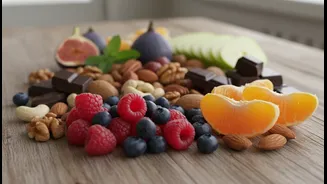
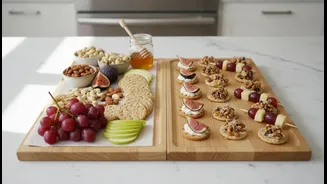
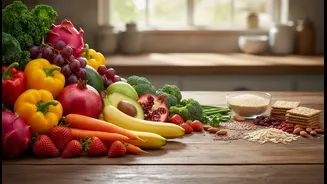
Somewhere between wellness blogs and social media feeds, the idea of a snack got an upgrade—and not necessarily for the better. The pressure is on to create snacks that are not just healthy but also visually perfect and structurally complex, essentially
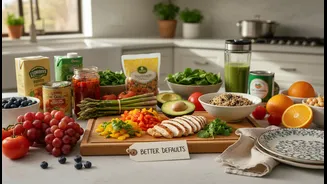
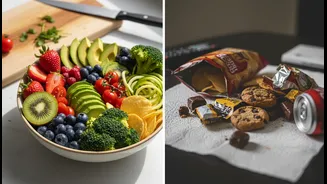
a miniature version of a balanced meal. This often involves multiple components, careful measuring, and a level of preparation that can feel stressful and unsustainable. The truth is, this approach can be counterproductive. When snacking becomes another high-effort task, it’s easy to feel overwhelmed or, worse, reach for ultra-processed convenience foods instead. The goal of a snack isn't to replicate a meal; it's to bridge the gap between meals, sustain your energy, and keep hunger at bay so you don't arrive at dinner feeling ravenous.
The Real Anatomy of a Balanced Snack
So, what does a balanced snack actually need? Forget the elaborate platters. Nutrition experts agree that a truly effective snack boils down to a simple formula: combining at least two of the three main macronutrients. The ideal combination is protein plus a high-fiber carbohydrate, with a healthy fat as a bonus. This trio works together to stabilize your blood sugar, provide lasting energy, and promote a feeling of fullness. Carbohydrates offer a quick source of energy, protein helps with satiety, and fats slow down digestion, keeping you satisfied for longer. Thinking in terms of this simple formula, rather than specific foods or complex recipes, is the key to effortless and effective snacking.
The Power of Pairs: Your Simple Snack Blueprint
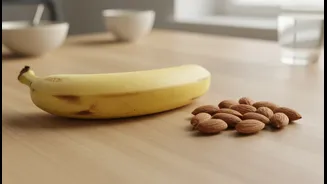
The easiest way to put this into practice is to think in pairs. Pick one item rich in protein or fat, and another that's a source of fiber-rich carbohydrates. It’s that simple. There’s no need to measure every gram or arrange it artfully unless you want to. The focus is on the combination. Some foolproof pairs include: An apple with a spoonful of peanut or almond butter. The fruit provides fiber and natural sweetness, while the nut butter offers protein and healthy fats.; A small bowl of plain Greek yogurt with a handful of berries. The yogurt is packed with protein, and the berries add fiber and vitamins.; A handful of nuts and a small piece of fruit. This is a classic, portable option that hits all the right notes.; Whole-grain crackers with a slice of cheese or a few spoonfuls of hummus. This combination provides fiber from the crackers and protein and fat from the topping.; A hard-boiled egg and a few cherry tomatoes. Eggs are a fantastic source of protein, and the tomatoes add a fresh, fibrous component.
When and Why to Snack
It’s also important to listen to your body’s cues. Snacking isn't a mandatory part of every day. For some, two or three solid meals are enough. But for many, especially on busy days or when there are long gaps between meals, a snack is essential for maintaining energy and focus. A well-timed snack can prevent the dreaded afternoon slump and help you make more mindful choices at your next meal. If you find yourself consistently hungry an hour after eating, it might be a sign that your main meals aren't balanced enough. However, if you're genuinely hungry and your next meal is hours away, that's the perfect time for a simple, balanced snack. The key is to differentiate between true hunger and mindless or stress-induced eating.