



The Soul in the Imperfect
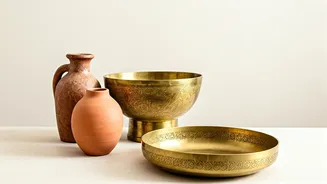
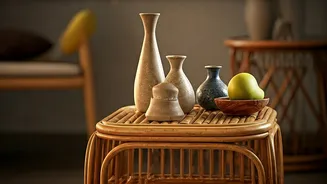
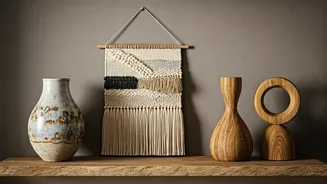
There's a unique story embedded in every handcrafted object. Unlike items churned out on a production line, a hand-thrown vase, a block-printed cushion, or a meticulously carved wooden bowl carries the imprint of its creator. These are more than just
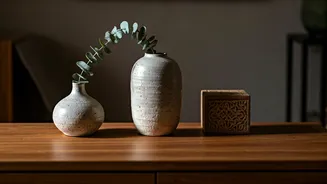
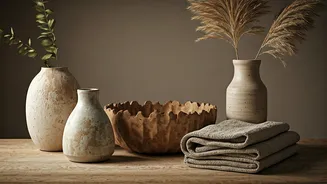
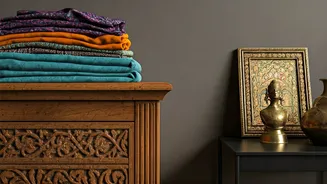
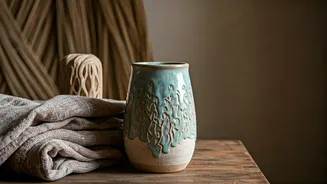
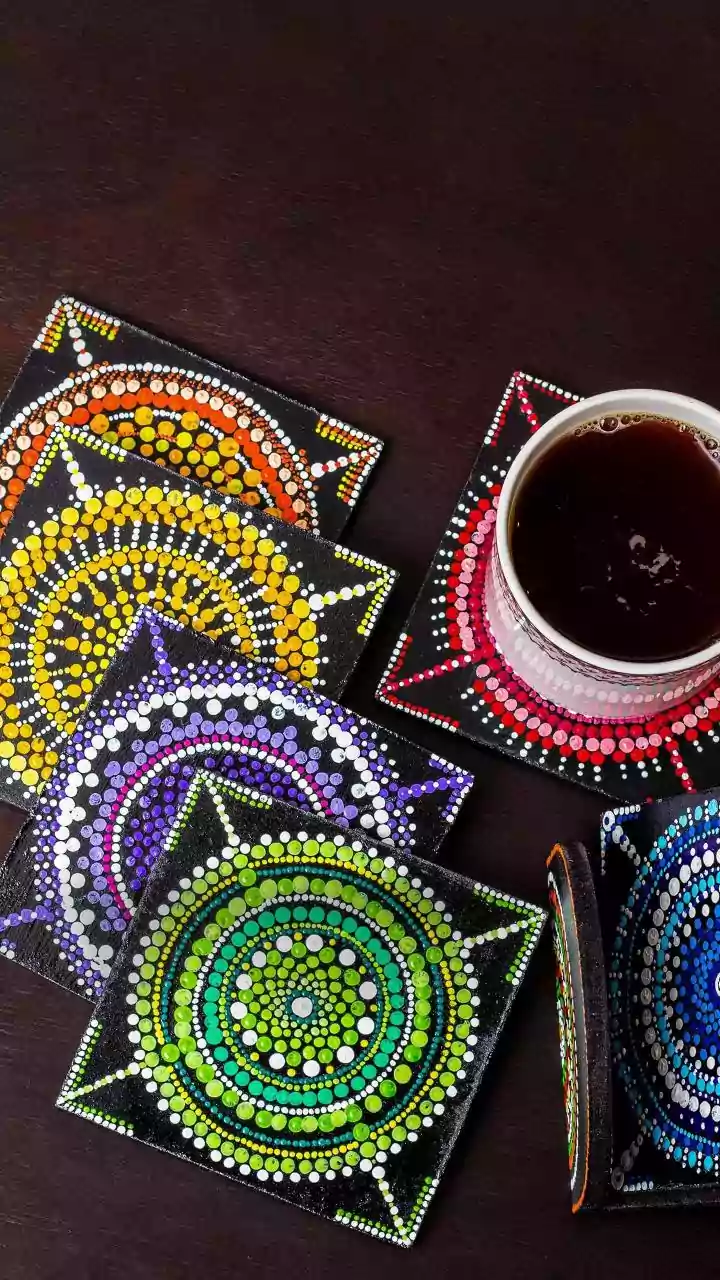
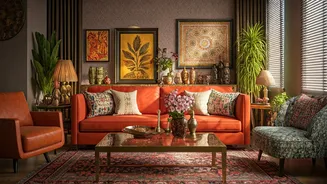
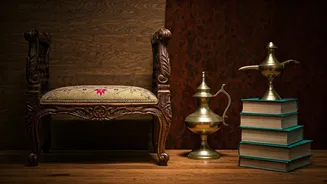
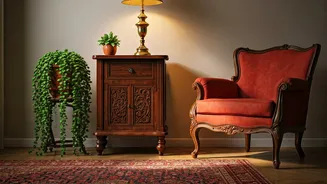
decorative items; they are a connection to a person's skill, passion, and time. This human touch gives them a soul that mass-produced copies can never replicate. The subtle variations—a slightly irregular glaze, the unique grain of wood, a texture that is not perfectly uniform—are not flaws. They are marks of authenticity, celebrating a Japanese philosophy known as wabi-sabi, which finds beauty in imperfection and transience. These perfectly imperfect pieces bring a sense of warmth and character into a home that a flawless, factory-made object simply cannot match.
Escaping the 'Fast Decor' Treadmill
Just like fast fashion, the world of interiors is now plagued by "fast decor". Social media algorithms accelerate trend cycles, creating a constant pressure to update our living spaces with the latest look, from “cottagecore” to “dopamine décor”. This has led to a surge in cheaply made, disposable furniture and accessories designed to be trendy for a moment and then discarded. Choosing handcrafted decor is a conscious step off this treadmill. Artisan-made goods are typically crafted with higher-quality materials and superior techniques, designed for longevity rather than obsolescence. A well-made piece isn't just for this season; it's timeless, meant to be cherished for years, even generations. This represents a more sustainable way of living, reducing waste and countering a culture of overconsumption.
A Connection to Culture and Community
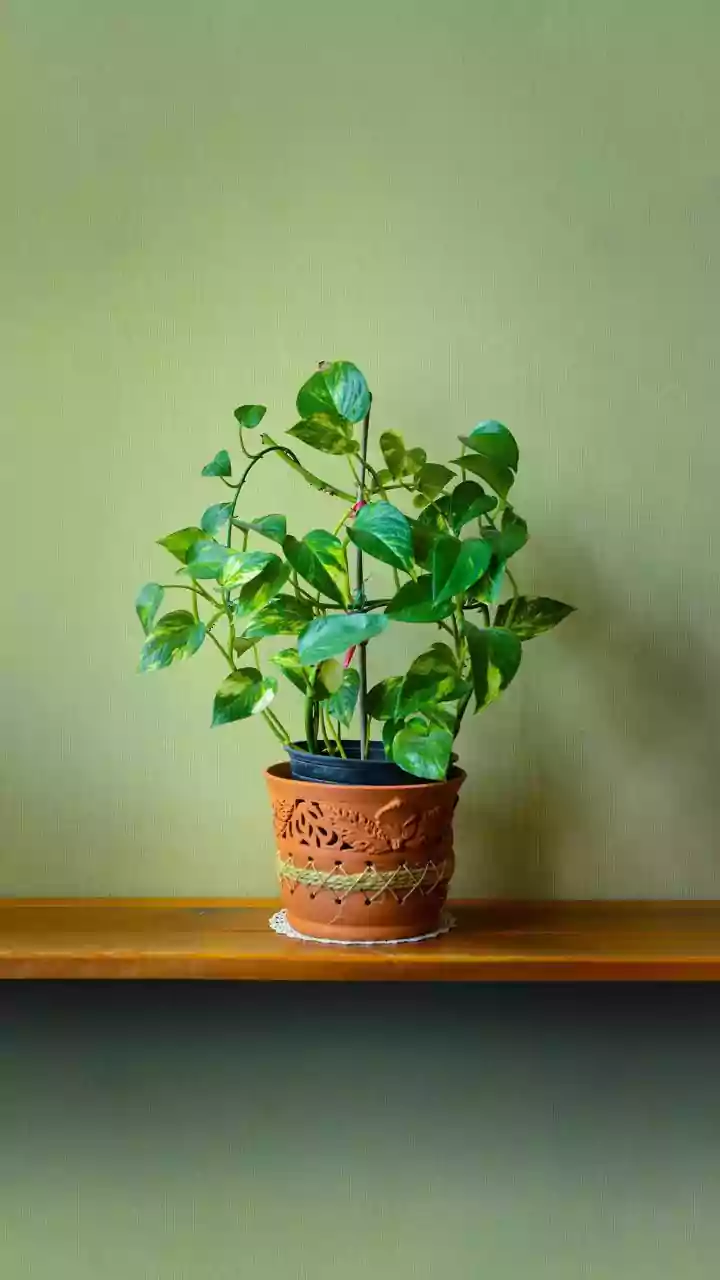
Choosing handcrafted decor is also an act of cultural preservation and community support, particularly in a country as rich in craft traditions as India. When you buy a piece of Dhokra metal art, a handwoven textile, or a piece of traditional pottery, you are doing more than decorating your home—you are helping to sustain a legacy. You provide a livelihood for artisans, many of whom live in rural communities and rely on their craft as a primary source of income. This support empowers creators, promotes fair and ethical trade, and ensures that age-old skills passed down through generations are not lost in the face of globalisation. It fosters a direct connection between the consumer and the creator, building an appreciation for the story and heritage behind each piece.
Creating a Truly Personal Space
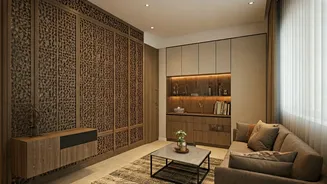
Ultimately, our homes should be reflections of our own unique stories and personalities, not a catalogue showroom. While trend copies create a homogenous look, handcrafted items ensure your space is truly your own. Psychologically, owning one-of-a-kind items fosters a deeper emotional connection to our surroundings. A space filled with objects that have meaning, that were chosen with intention, and that tell a story becomes more than just a house—it becomes a sanctuary. It’s a physical manifestation of your values, whether that’s an appreciation for artistry, a commitment to sustainability, or a love for unique design. Curating a home with handcrafted pieces is a slower, more deliberate process, but the result is a space that feels deeply personal, authentic, and truly fresh.