





Choose Whole Grains Over Refined
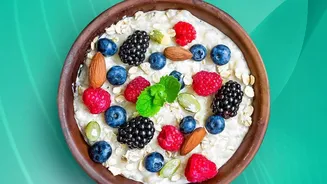
One of the easiest swaps is replacing refined grains with their whole counterparts. Instead of maida or white rice, opt for whole wheat atta and brown rice. The bran and germ in whole grains are packed with fibre, which slows digestion, keeps you feeling
full for longer, and helps maintain steady energy levels. Making your daily rotis with whole wheat flour instead of refined flour is a significant, yet simple, change. This single switch preserves the core of your meals while dramatically increasing its nutritional value at no extra cost, as these are common staples in most Indian households.
Embrace the Power of Pulses
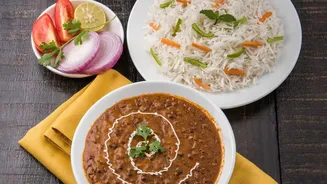
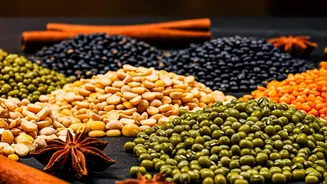
Dals, chana, and rajma are the backbone of Indian cuisine and are fantastic sources of both soluble and insoluble fibre. Make it a habit to include a dal or legume dish with every main meal. Lentils and beans are not only high in fibre but also provide plant-based protein, which enhances satiety and keeps hunger at bay. Whether it's a comforting dal tadka, a robust rajma masala, or a simple chana chaat, consistently including pulses is a cost-effective way to meet your daily fibre goals. Whole pulses like whole chana and rajma generally contain more fibre than their split and skinned versions, but all are beneficial.
Don't Peel Your Vegetables
A surprising amount of fibre is located in the skin of many vegetables and fruits. When preparing vegetables like potatoes, carrots, cucumbers, and apples, give them a thorough wash but try to keep the peel on. This simple habit can add an extra gram or two of fibre per serving without you even noticing. It also saves time during meal prep. Much of the nutritional goodness of produce lies just beneath the surface, so keeping the skin on ensures you get the maximum benefit from your everyday sabzis and salads.
Incorporate Millets into Your Meals
Ancient grains like jowar (sorghum), bajra (pearl millet), and ragi (finger millet) are nutritional powerhouses that are making a well-deserved comeback. These traditional Indian grains are naturally gluten-free and richer in fibre, protein, and minerals compared to refined wheat and rice. You can easily incorporate them by making rotis from jowar or bajra flour, or by preparing ragi porridge for breakfast. Mixing these flours with your regular whole wheat atta is another great way to start. They are generally affordable and a fantastic way to diversify your grain intake while boosting fibre.
Sneak in Extra Vegetables and Seeds
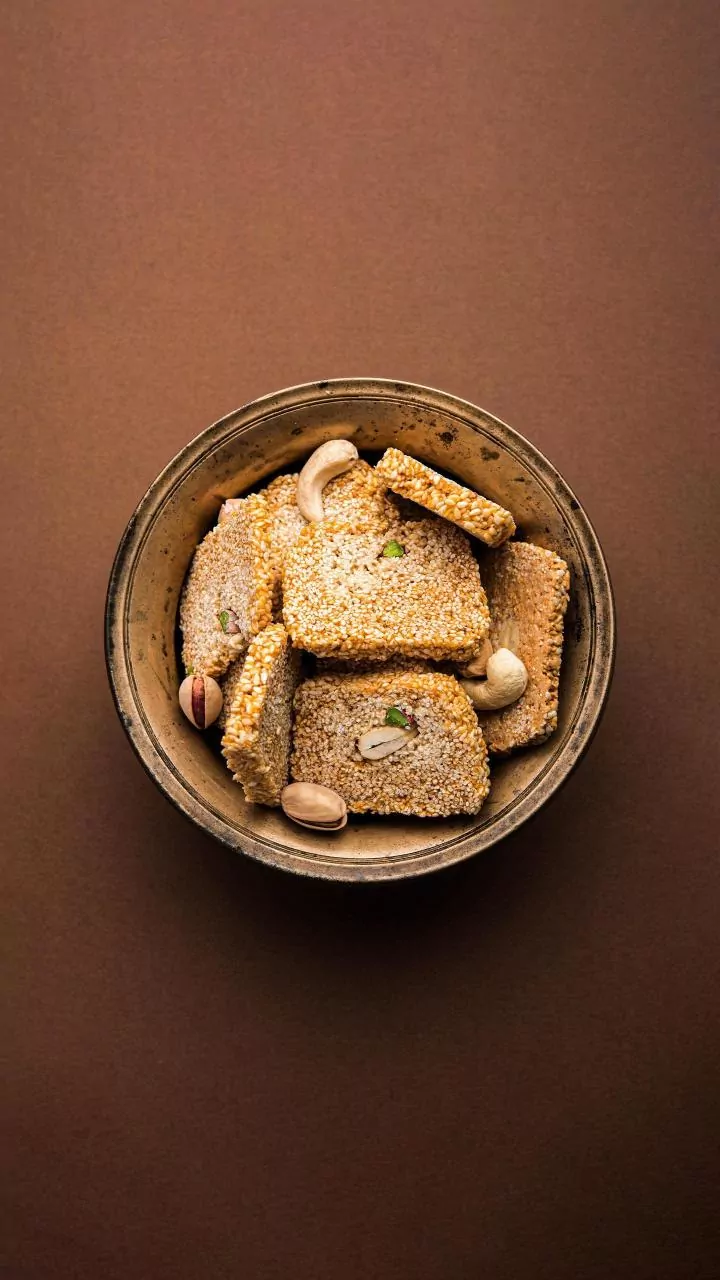
Add finely grated vegetables like lauki (bottle gourd), carrots, or spinach into your roti dough, dal, or upma. This simple trick adds moisture, nutrients, and a hidden dose of fibre without drastically changing the taste or texture of the dish. Another easy hack is to sprinkle a teaspoon of seeds like flax (alsi), sesame (til), or chia onto your curd, salads, or smoothies. These seeds are incredibly dense in fibre and healthy fats. Grinding flaxseeds before use helps your body absorb their nutrients more effectively.
Eat Whole Fruits, Don't Juice Them
While fruit juice can seem like a healthy option, the juicing process removes most of the beneficial fibre. Eating a whole fruit provides the fibre that aids digestion and makes you feel full. Fruits like guava, apples (with skin), pears, papaya, and bananas are excellent, budget-friendly sources of fibre. Guava, in particular, is one of the most fibre-rich fruits commonly available in India. Choosing a whole fruit as a snack instead of a glass of juice is a simple, effective swap.