


The Mighty Millet Revival
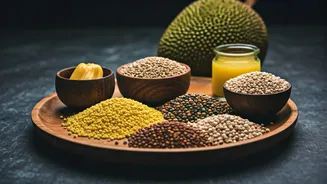
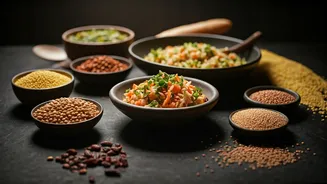
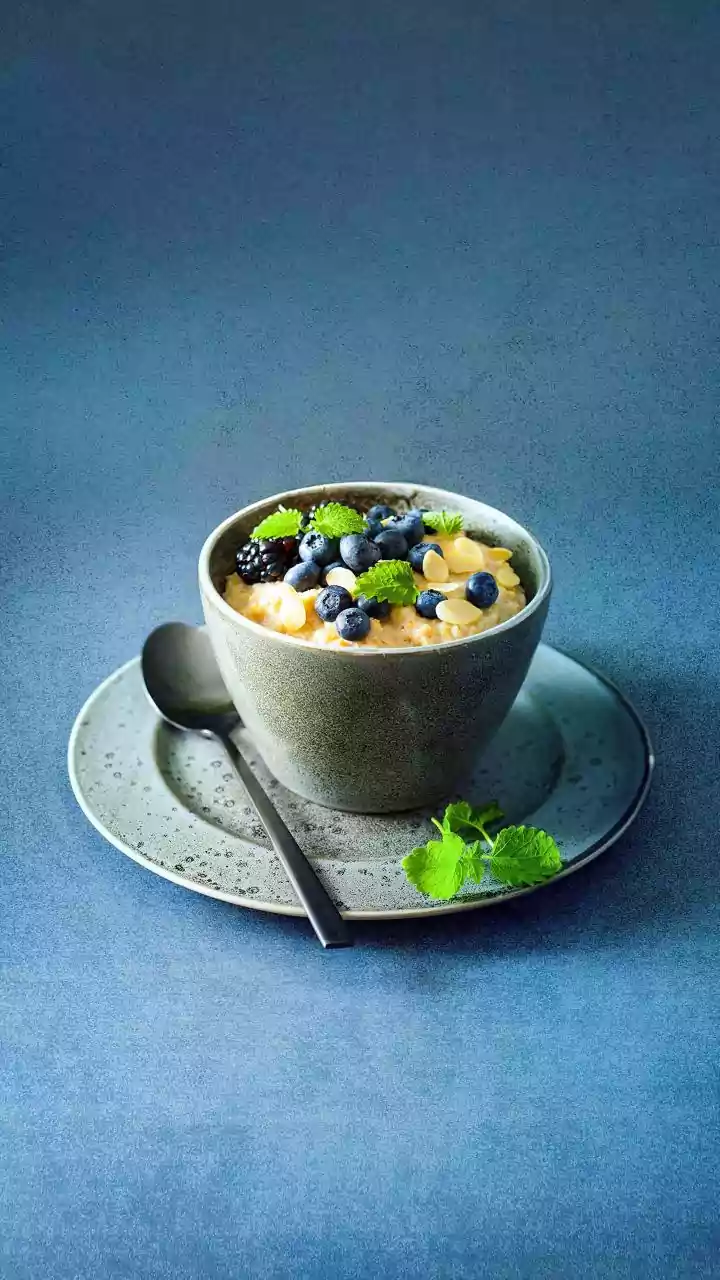
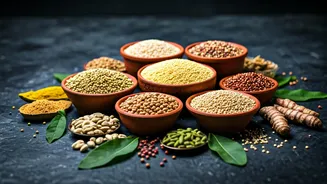
Once a staple across India, millets like jowar, bajra, and ragi were sidelined by the green revolution's focus on wheat and rice. Now, they are making a powerful comeback. Why? These ancient grains are naturally gluten-free, rich in fibre, protein, and essential
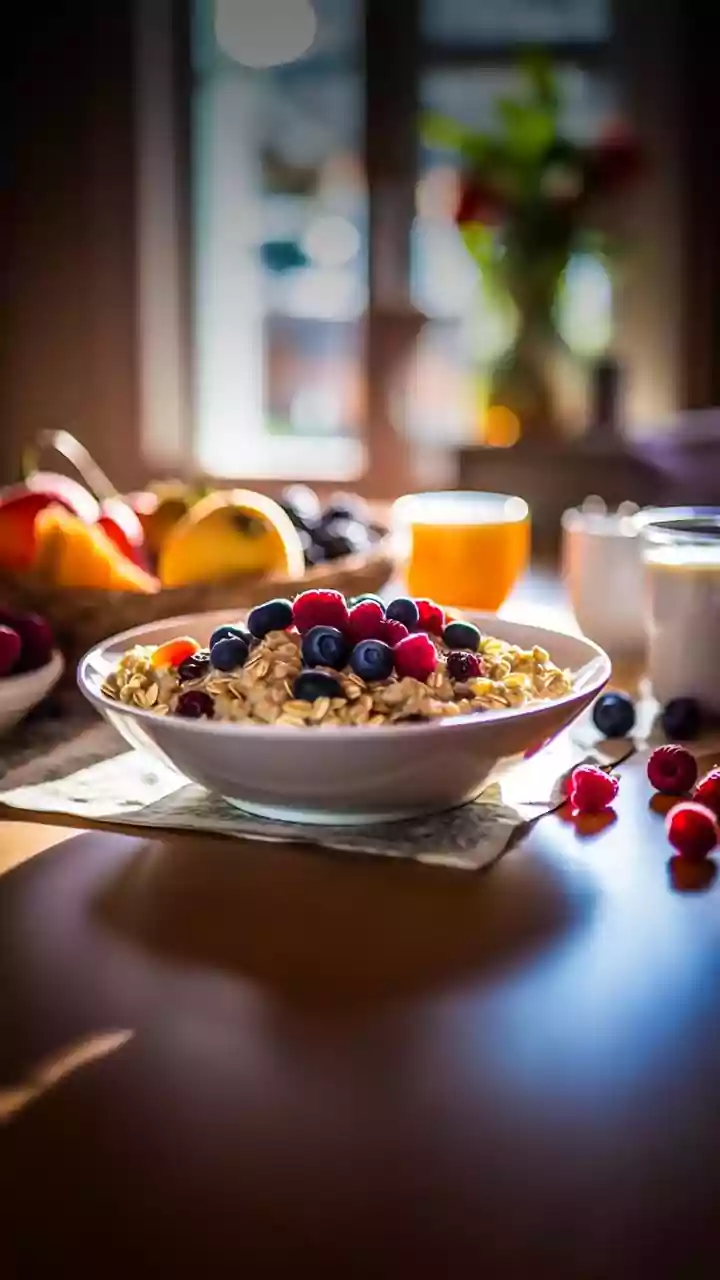
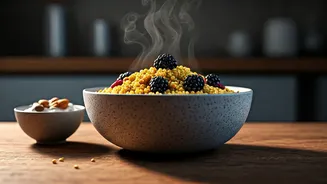
minerals like magnesium and iron. They are also incredibly resilient crops, requiring less water than rice and wheat, making them an environmentally smart choice. From ragi dosas and jowar rotis to millet-based breakfast bowls and even desserts, chefs and home cooks are rediscovering their versatility. This revival isn't just a health fad; it's a return to agricultural roots that supports local farmers and biodiversity.
Moringa, The Miracle Tree
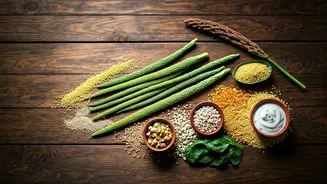
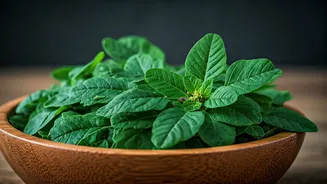
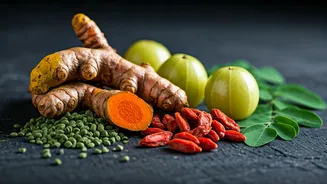
Often called the 'drumstick tree,' every part of the moringa plant has been used in traditional medicine for centuries. While drumsticks are a familiar sight in sambar, the leaves were less commonly used in urban kitchens. Today, moringa leaf powder is a global superfood. Packed with vitamins A, C, and E, calcium, potassium, and protein, it’s a nutritional powerhouse. It's known for its potent anti-inflammatory and antioxidant properties. People are now adding moringa powder to smoothies, dals, and even paratha dough for a nutrient boost, proving that this humble backyard tree is one of nature’s most effective multivitamins.
Jackfruit, The Plant-Based Star
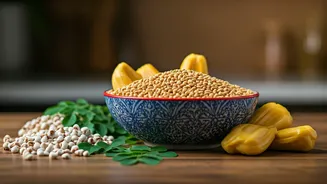
Raw or unripe jackfruit (kathal) has long been a traditional vegetable in many Indian cuisines, prized for its meaty texture. However, it's now gaining international fame as a leading plant-based meat alternative. When cooked, young jackfruit has a texture remarkably similar to pulled pork or shredded chicken, making it a favourite among vegans and vegetarians. It's low in calories and a good source of dietary fibre, vitamins, and minerals. Its ability to absorb spices and flavours makes it perfect for everything from biryanis and curries to tacos and burgers. This 'forgotten' use of jackfruit as a savoury staple is now a modern solution for sustainable eating.
Amaranth, The Royal Grain
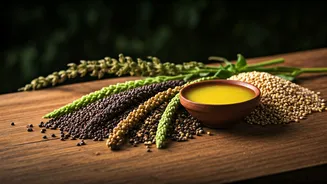
Amaranth, known as rajgira or 'the royal grain,' was cherished by ancient civilisations but fell into obscurity. Traditionally eaten during fasting periods, this pseudo-cereal is now being recognised for its everyday health benefits. Amaranth is a complete protein, meaning it contains all nine essential amino acids, making it a rare gem in the plant kingdom. It's also gluten-free and high in calcium, iron, and fibre. Its nutty flavour makes it a delicious addition to breakfast porridge or a healthy substitute for rice. It can even be 'popped' like corn to be used in energy bars and ladoos. Its resurgence highlights a shift towards nutrient-dense ingredients that have been part of our heritage all along.
Black Rice, The Forbidden Treasure
Known as 'forbidden rice' because it was once reserved for royalty in ancient China, black rice has a history in parts of Northeast India, particularly Manipur, where it's known as chak-hao. For years, it was overshadowed by polished white rice. Now, its stunning deep purple hue and impressive health profile are bringing it into the limelight. The dark colour comes from anthocyanins, the same powerful antioxidants found in blueberries. These compounds are linked to fighting inflammation and improving heart health. With a higher protein and fibre content than brown rice and a delicious nutty taste, black rice is being used to make everything from kheer to modern grain bowls.