







A New Definition of 'Fit'
For decades, the primary fitness goal for many women was tied to a number on the scale, with hours of cardio seen as the best way to burn calories. Today, that mindset is undergoing a significant transformation. Younger women are shifting their focus
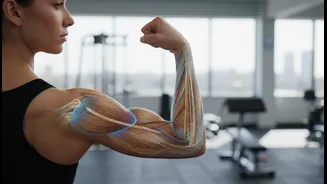
from simply losing weight to building strong, functional, and resilient bodies. This change is driven by a desire for fitness that translates into real-world capability, whether that means carrying groceries with ease or preventing posture issues from desk work. The aesthetic has evolved from 'skinny' to 'strong,' with social media platforms amplifying influencers who celebrate muscle definition and physical prowess, breaking down outdated gender stereotypes about weightlifting.
The Science of Strength for Longevity
This shift isn't just about cultural trends; it's strongly backed by science. Research consistently shows that strength training offers profound, long-term health benefits, particularly for women. It is one of the most effective ways to build and maintain bone density, which is crucial for preventing osteoporosis later in life. Building lean muscle also boosts your resting metabolism, meaning your body burns more calories throughout the day, which is more effective for long-term weight management than cardio alone. Studies show physically inactive people can lose significant muscle mass each decade after 30, a process that strength training effectively counters.
More Than Just Physical Health
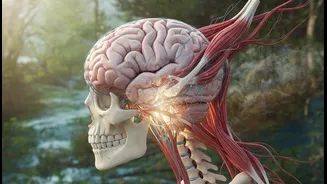
The benefits of lifting weights extend beyond the physical. Younger generations increasingly view fitness as a crucial component of mental and holistic well-being. Strength training has been shown to reduce symptoms of anxiety and depression, sometimes even more effectively than aerobic exercise. There's an empowerment factor at play; instead of exercise feeling like a punishment to burn off food, strength training focuses on building the body up. This goal-oriented process, which involves tracking progress and hitting new personal records, fosters a sense of accomplishment and self-confidence that resonates deeply.
Cardio's New Role
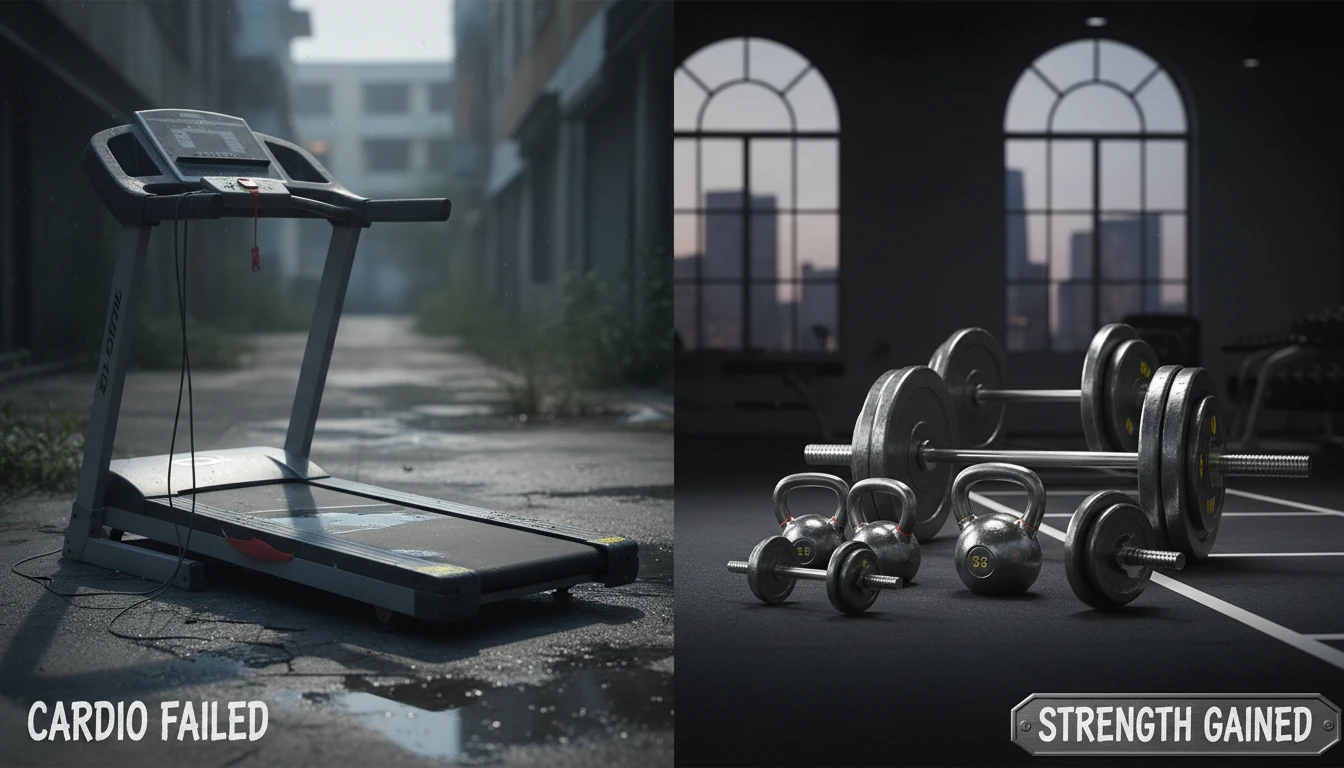
This paradigm shift doesn't mean cardio is obsolete. Instead, its role is being recontextualized. Rather than being the star of the show, cardiovascular exercise is now seen as a vital supporting player. Experts recommend a balanced routine that includes both, suggesting around 150 minutes of moderate-intensity cardio per week alongside at least two days of strength training. Cardio remains excellent for heart and lung health, improving endurance, and managing stress. However, studies now confirm that strength training also provides significant cardiovascular benefits, with some research indicating it lowers the risk of heart disease even more effectively than cardio. The modern approach is about creating a well-rounded, sustainable routine where strength provides the foundation and cardio supports overall heart health and stamina.