


More Than Just a Boat
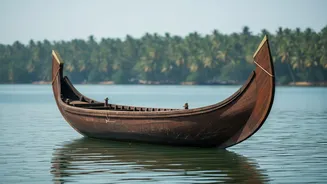
The Chundan Vallam is far more than a racing vessel; it is a living deity for the village that owns it. These magnificent boats, stretching over 100 feet in length, are central to community life and temple festivals, particularly during the Onam harvest
season. Their history is rooted in the 14th-century naval warfare between feudal kingdoms, where speed and stealth on the water meant survival. King Devanarayana of Chembakassery is credited with commissioning the first of these unique war boats, a design so effective its principles have been passed down for over 650 years. Today, that competitive spirit is channeled into the famed Vallamkali (boat races), but the reverence remains. Each boat is considered a divine vessel, often associated with a local temple, and is treated with utmost respect.
The Carpenter's Sacred Craft
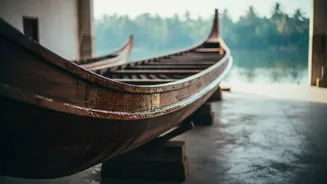
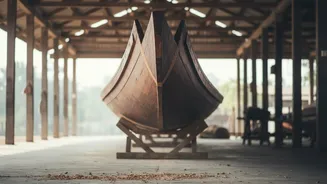
The construction of a snake boat is a masterclass in traditional carpentry, guided by ancient texts and generational wisdom. The process begins on an auspicious day, led by a master carpenter known as a 'moothashari'. There are no modern blueprints; instead, the knowledge is passed down orally, a closely guarded secret within artisan families. The primary wood used is Anjili (Artocarpus hirsutus), a type of wild jackfruit tree prized for its durability and resistance to rot in water. The long planks are shaped and joined with remarkable precision, creating a flexible hull that can withstand the immense stress of the races. It's a collaborative effort involving the entire community, from the carpenters (achari) who shape the wood to the blacksmiths (karuvan) who forge the custom nails and bolts.
The Ritual of the Sacred Oil
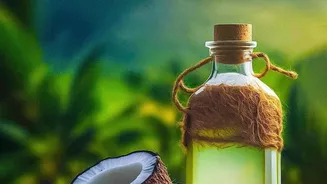
Weeks before the racing season, the boats undergo a crucial treatment that is both practical and ceremonial. The hull is coated with a special mixture to make it waterproof and slippery, reducing friction in the water. This is no ordinary varnish. The recipe is a traditional, potent blend of fish oil, the ash of burnt coconut shells, and sometimes eggs. The application is a community event. Men, who are traditionally the only ones permitted to touch the boat and must be barefoot as a sign of respect, work together to meticulously swab the entire length of the vessel. This ritual not only strengthens and protects the wood but also serves to unify the village and spiritually prepare the boat for the trials ahead. It is a process that fills the air with a distinct, pungent aroma—the smell of tradition being renewed.
From Workshop to Watery Arena
Once the carpentry is complete and the oils have set, the boat is ready for its ceremonial launch, a ritual known as the 'Neeraniyal Karmam'. This is a moment of immense pride and celebration. The boat, often decorated with garlands, scarlet umbrellas, and golden tassels, is gently pushed into the backwaters for the first time, accompanied by prayers and pujas. This marks the beginning of the training season. The village oarsmen, often up to 100 of them, begin their rigorous practice sessions. They row in perfect synchrony, their movements guided by the rhythmic chants of the 'vanchipattu' (boatman's song), led by singers standing on a central platform. This harmony of muscle and music is what transforms the snake boat from a wooden vessel into a living, breathing creature on the water.