


Why Repotting Matters for Root Health
Like all living things, plants grow. Over time, your houseplant’s roots will fill its container, a condition known as being 'root-bound'. You might see roots poking out of the drainage holes, notice that the soil dries out extremely quickly, or see that the plant's
growth has slowed. When roots become this compacted, they struggle to absorb the water and nutrients necessary for survival. Repotting does more than just provide extra space; it's an opportunity to replenish the growing medium. Old soil becomes depleted of nutrients and can become compacted, reducing airflow to the roots. A fresh batch of soil gives your plant’s root system the room and resources it needs to thrive, supporting lush foliage and vibrant growth.
Decoding Your Potting Mix
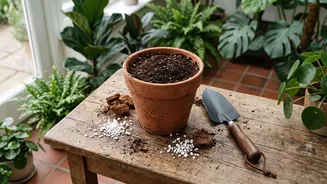
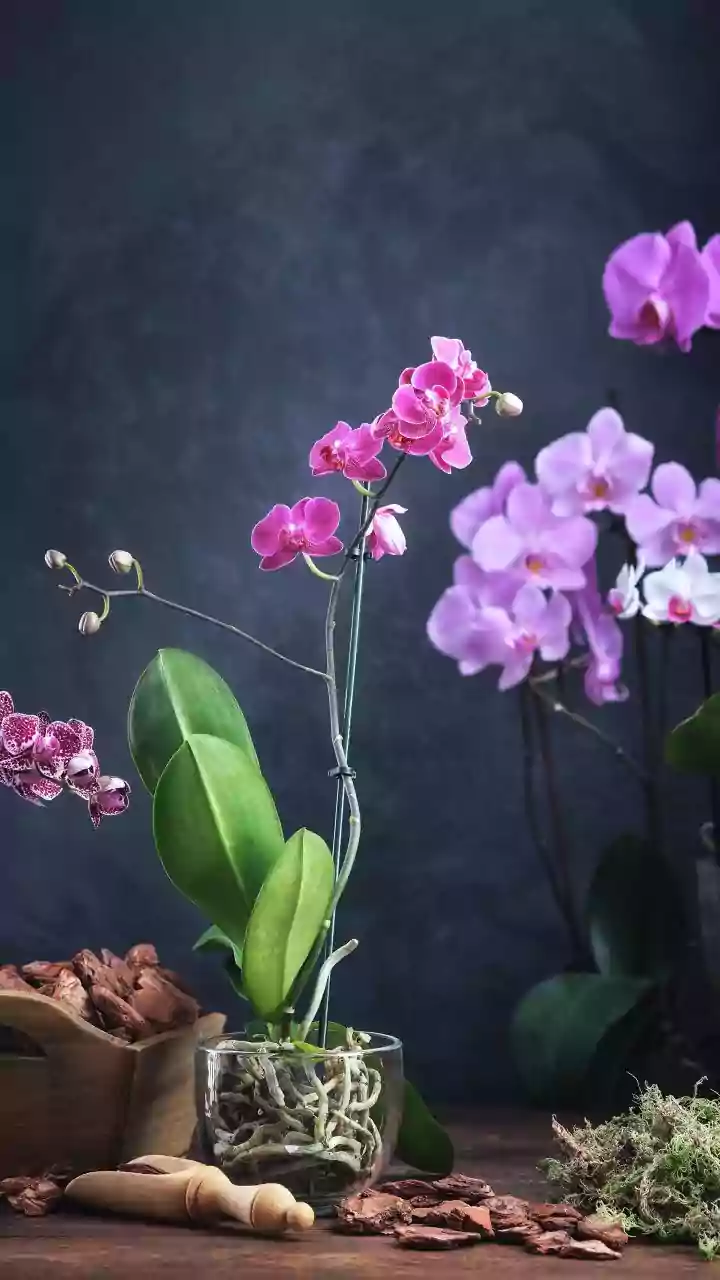
Step into any garden centre and the variety of 'potting soil' can be overwhelming. Interestingly, most indoor potting mixes contain no actual soil or dirt at all. They are specially formulated, soil-less mediums designed to provide the perfect balance of moisture retention, drainage, and aeration for container life. Common ingredients include coco coir or peat moss, which act as the base and hold onto water. Then, amendments are added to create air pockets and improve drainage. Perlite, the little white specks that look like styrofoam, is a lightweight volcanic glass that prevents compaction. Orchid bark serves a similar purpose, creating larger air gaps that are crucial for tropical plants whose roots need excellent airflow. Understanding these basic components helps you choose a mix that will create a healthy environment for your plant's roots.
Choosing the Right Soil
While an all-purpose indoor potting mix is a great start, not all houseplants have the same needs. Succulents and cacti, for instance, hail from arid environments and require a mix that drains very quickly to prevent root rot. You should look for a potting mix specifically labelled for 'cacti and succulents,' which will contain more sand or pumice. On the other hand, many popular tropical plants like Monsteras, Philodendrons, and other aroids thrive in a chunkier, more airy mix that mimics their natural habitat of growing on trees. These 'aroid mixes' typically have a higher proportion of orchid bark and perlite. If you're a beginner, starting with a pre-made specialty mix is the easiest way to ensure your plant gets the right foundation for healthy root development.
A Step-by-Step Guide to Repotting
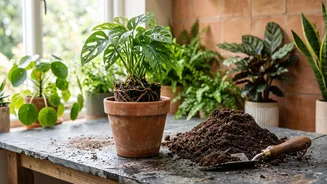
Once you have your new pot (which should only be 1-2 inches larger in diameter than the old one) and soil, you're ready to go. First, water your plant a day or two before repotting to make the roots more flexible and easier to handle. To remove the plant, turn the pot on its side and gently squeeze or tap it until the root ball slides out; never pull the plant by its stems. Inspect the roots. If they are tightly coiled, gently massage the root ball to loosen them. This encourages them to grow into the new soil. Place a layer of fresh potting mix in the bottom of the new pot, then centre your plant inside. The top of the root ball should sit about an inch below the rim of the pot. Fill in the sides with more soil, gently patting it down to eliminate large air pockets, and then water thoroughly.
Common Mistakes to Avoid
For a successful repotting, there are a few common pitfalls to sidestep. The most frequent mistake is choosing a pot that is too large. An oversized pot holds excess soil that stays wet for too long, which can quickly lead to root rot. Sticking to a pot just one size up is a much safer bet. Another error is using soil from your garden. Outdoor soil is too dense for containers, compacts easily, and can introduce pests. Always use a sterile, commercial potting mix for houseplants. Finally, avoid packing the new soil down too firmly. Roots need oxygen as much as they need water, and overly compacted soil can suffocate them. A gentle patting is all that’s needed to secure the plant in its new home.