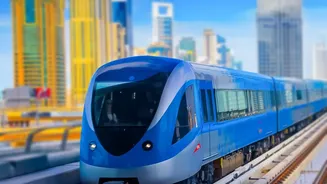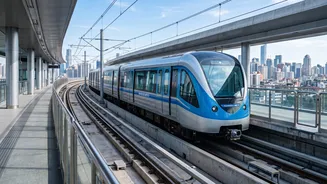




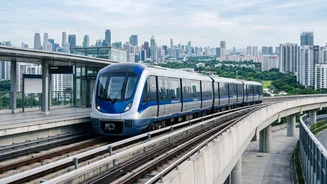
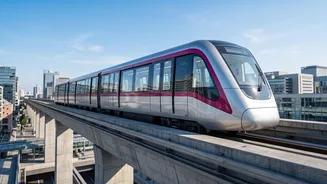
Delhi's Expanding Automated Network
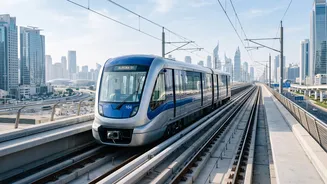
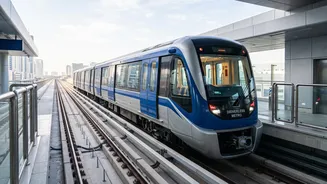
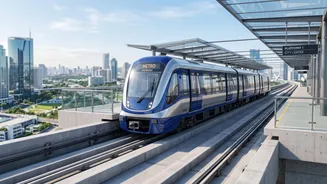
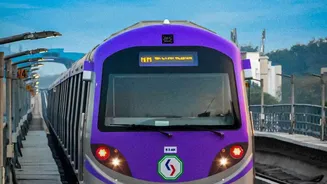
The driverless train revolution in Delhi began in December 2020 on the Magenta Line and was followed by the Pink Line in November 2021. As of late 2026, the Delhi Metro Rail Corporation (DMRC) operates 100 Unattended Train Operation (UTO) trains across
a 120-kilometre stretch of these two lines. This automated network now constitutes nearly a third of the entire metro system, making it a critical part of the capital's daily commute and one of the largest driverless networks globally. DMRC has plans to expand this UTO network even further, with projections to reach 198 kilometres as ongoing Phase IV projects are completed.
From Driver's Cab to Station Control
The most pressing question for many has been the fate of the train operators. In a move that counters the typical 'automation kills jobs' narrative, DMRC's Managing Director, Vikas Kumar, confirmed that no train operators have been laid off since the introduction of driverless operations. Instead, these skilled employees have been strategically redeployed into other essential operational roles. Former drivers are now tasked with crucial responsibilities like station management and crowd control, shifting their focus from piloting individual trains to managing the broader passenger experience and system flow. With a workforce of about 3,000 train operators, this strategy of reskilling and redeployment has been key to a smooth transition.
The Technology Behind the Ride
So, how do these trains run on their own? The magic lies in a technology called Communication-Based Train Control (CBTC). Unlike older systems, CBTC allows trains and trackside equipment to be in constant, real-time communication about their exact speed and location. This creates a dynamic, invisible safety bubble around each train, allowing them to run closer together and at higher frequencies with greater safety. The entire operation is overseen from a centralised Operations Control Centre, which acts as the network's brain. While the system is automated, it doesn't remove the human element entirely; it shifts it from the driver's seat to a high-level monitoring and response role.
A New Ridership Milestone
The public's trust and reliance on this technology are clearly reflected in the ridership numbers. On November 2, 2026, during the pre-Diwali rush, Delhi Metro's driverless trains set a remarkable single-day record, carrying 1.6 million passengers. This figure accounted for nearly one-fourth of the entire network's eight million daily passengers that day, meaning one in every five commuters chose an automated train. This milestone not only demonstrates the system's capacity to handle peak demand but also highlights growing passenger acceptance of driverless technology as a safe and efficient mode of transport.
The Way Forward for India's Metros
Delhi's success has sparked a nationwide debate about whether other Indian cities should adopt the driverless model. Proponents like DMRC's Vikas Kumar point to increased flexibility, reduced human error, and better coach availability as major benefits. The trains also conduct exhaustive self-tests before service, enhancing reliability. However, critics raise valid concerns about high upfront capital costs and whether the model makes sense in a country with lower staffing costs than the developed world. Experts like Sudhanshu Mani, the mind behind the Vande Bharat train, have cautioned against blindly following global trends, urging each city to assess its own specific needs. While the operational benefits are clear, a conclusive cost-benefit analysis for the Indian context is not yet readily available.