





The Anatomy of a Perfect Invoice
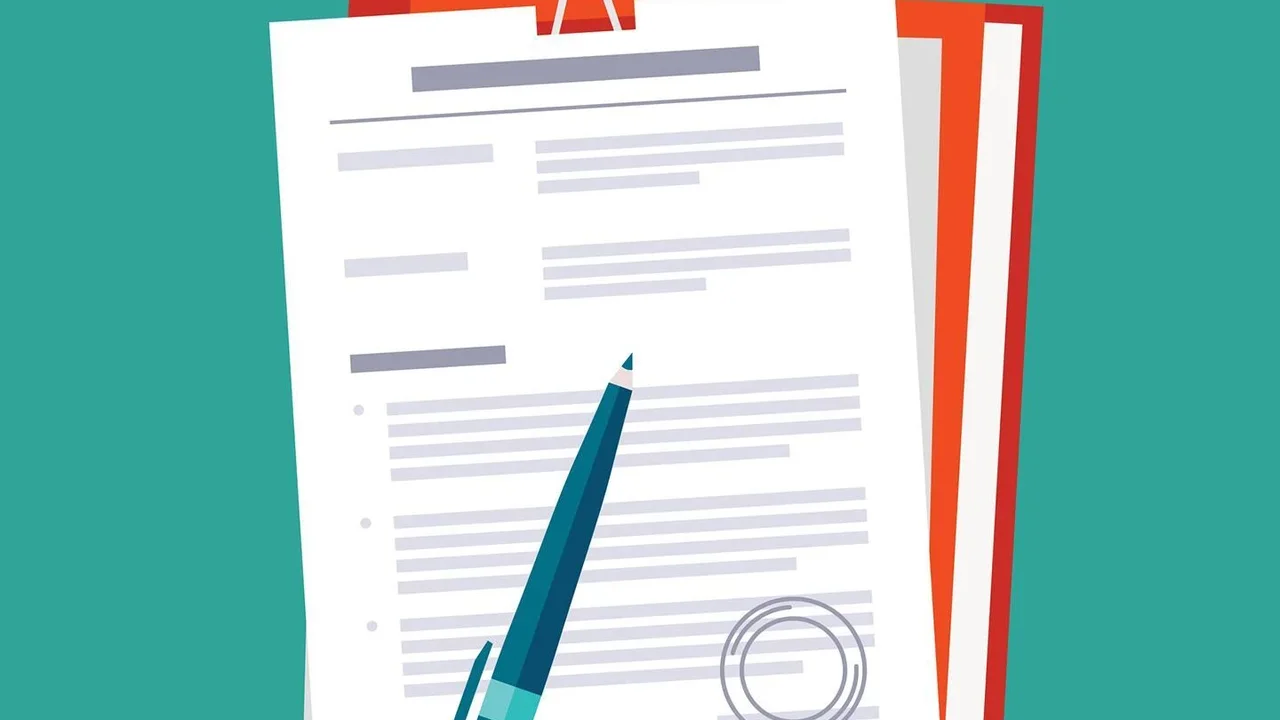
Before exploring any tool, it’s crucial to understand what makes an invoice professional and legally compliant in India. A clear, complete invoice is your first step to getting paid faster. Every invoice you send must include several key details: your name
and address, a unique and sequential invoice number (e.g., INV-2026-001), the invoice date, and the due date. It must also feature your client's full name and address. A detailed description of the services rendered, the rate, and the total amount due are non-negotiable. For tax purposes, including your PAN is a good practice, especially if you are not registered for GST.
GST Compliance for Freelancers
If your annual turnover exceeds ₹20 lakh, GST registration is mandatory. Once registered, your invoices need additional information: your GST Identification Number (GSTIN), the client's GSTIN (if they have one), the Place of Supply, and a clear breakdown of CGST/SGST or IGST. For international clients, your service is considered a zero-rated supply, meaning you don't charge GST. However, you must file a Letter of Undertaking (LUT) and mention it on your invoice with a declaration like, “Supply meant for export under LUT without payment of IGST.” This is crucial for compliance and avoiding tax complications.
Top Invoicing Tools for the Indian Market
Manual invoicing with Word or Excel is time-consuming and prone to errors. Dedicated software can automate the process, ensure compliance, and make you look more professional. Zoho Invoice is a popular choice, offering free, GST-compliant invoicing, payment reminders, and multi-currency support. It's excellent for those who need a comprehensive solution that handles both domestic and international clients. For newer freelancers, tools like Wave and Refrens offer robust free plans that cover basic invoicing needs without any initial investment. Vyapar is another strong, India-first option known for its mobile-friendly interface and offline capabilities.
Receiving Payments Seamlessly
Creating an invoice is only half the battle; getting the money into your bank account is the goal. For international payments, platforms like Payoneer and Wise (formerly TransferWise) are industry standards. They provide local receiving accounts in currencies like USD and EUR, making it easy for clients to pay you. These platforms are often more cost-effective than PayPal, which can have higher currency conversion markups. For domestic payments, integrating payment gateways like Razorpay or PayU directly into your invoices allows clients to pay instantly via UPI, credit cards, or net banking.
Habit 1: Invoice Immediately and Accurately
One of the most common mistakes freelancers make is delaying their invoicing. The sooner you send the invoice after completing the work, the sooner it enters the client’s payment cycle. Make it a habit to invoice the same day you deliver a project. Double-check every detail before hitting send: the amount, due date, and client information. An incorrect invoice often leads to rejection and resets the payment clock, causing unnecessary delays.
Habit 2: Clarify Payment Terms Before You Start
Friction over payments often starts from a lack of clarity at the beginning of a project. Before you write a single word or line of code, have a clear discussion about payment terms. Will you be paid 50% upfront? Is it Net 30 (due in 30 days) or Net 15? Are there late payment fees? Get these terms in writing in your contract or proposal. This sets clear expectations and gives you a firm standing if you need to follow up later. For larger projects, consider milestone-based invoicing to maintain healthy cash flow.
Habit 3: Automate Your Follow-Ups
Chasing late payments is awkward and time-consuming. Instead of relying on manual reminders, use your invoicing software’s features to automate the process. Most tools, like Zoho Invoice and Billdu, can send polite, automated reminders when an invoice is approaching its due date or becomes overdue. This maintains professionalism while ensuring your invoice stays top-of-mind for the client. If an invoice is significantly late, a polite but firm personal email is the next step, but automation should be your first line of defense.