

More Than Just Water
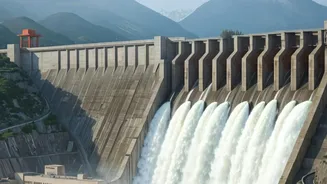
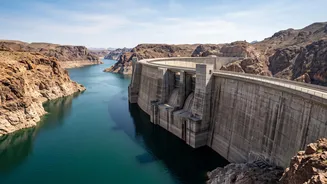
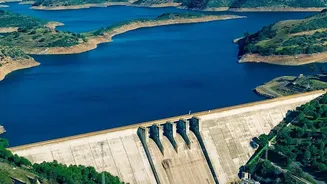
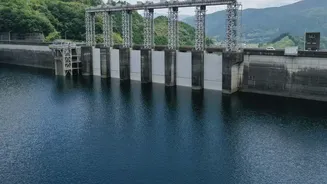
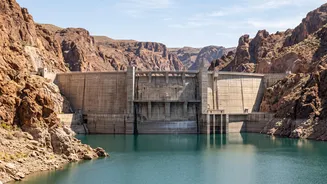
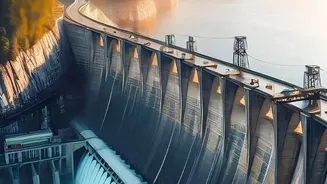
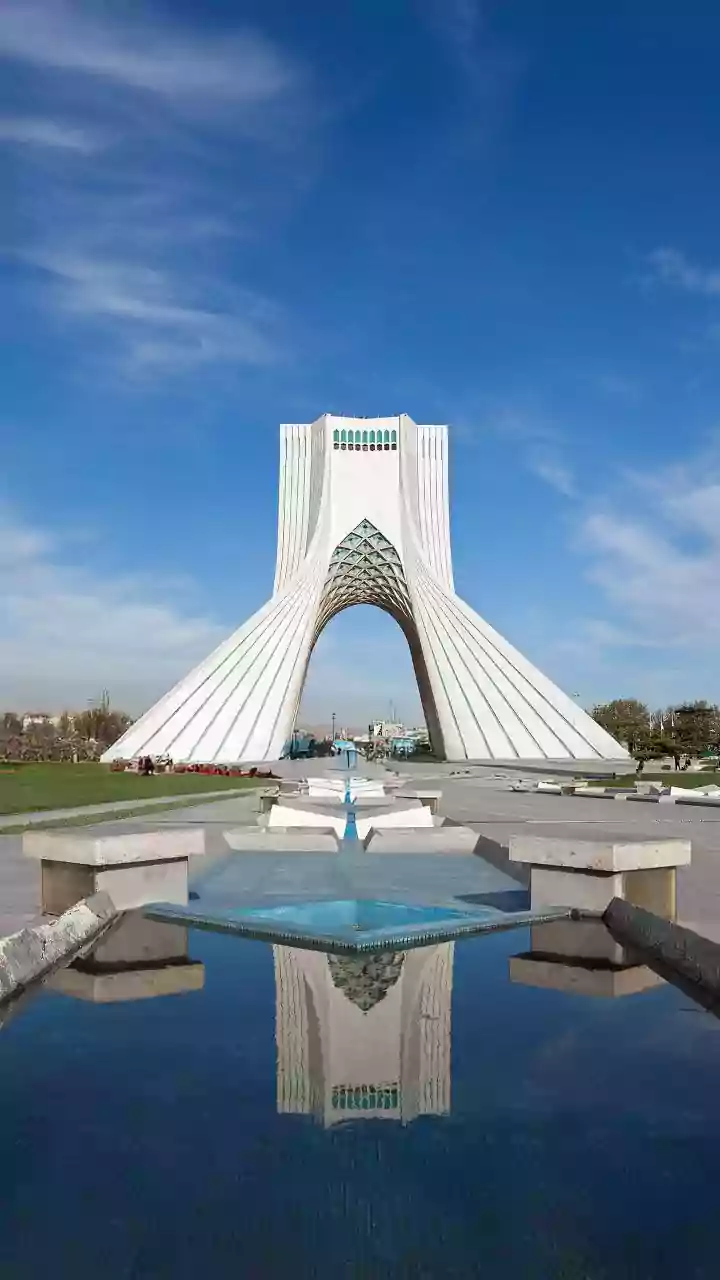
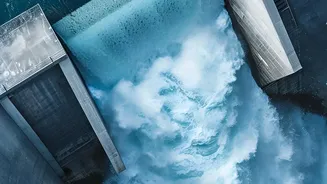
Dams are the lifeblood of modern Iran. In a nation grappling with chronic water scarcity, massive desertification, and recurring droughts, these structures are essential. They provide critical water for agriculture, which consumes around 90% of the country's
water, and generate vital hydroelectric power. Major dams like the Karun-3, Dez, and Amir Kabir are not just feats of engineering; they are fundamental to the survival and stability of urban centers and rural communities. However, decades of mismanagement, over-extraction of groundwater, and a state-sponsored push to build hundreds of dams have left the water system fragile, with many reservoirs operating at critically low levels. This makes the existing infrastructure even more precious, and its potential disruption a matter of national survival.
A Strategic Shield or Coincidence?
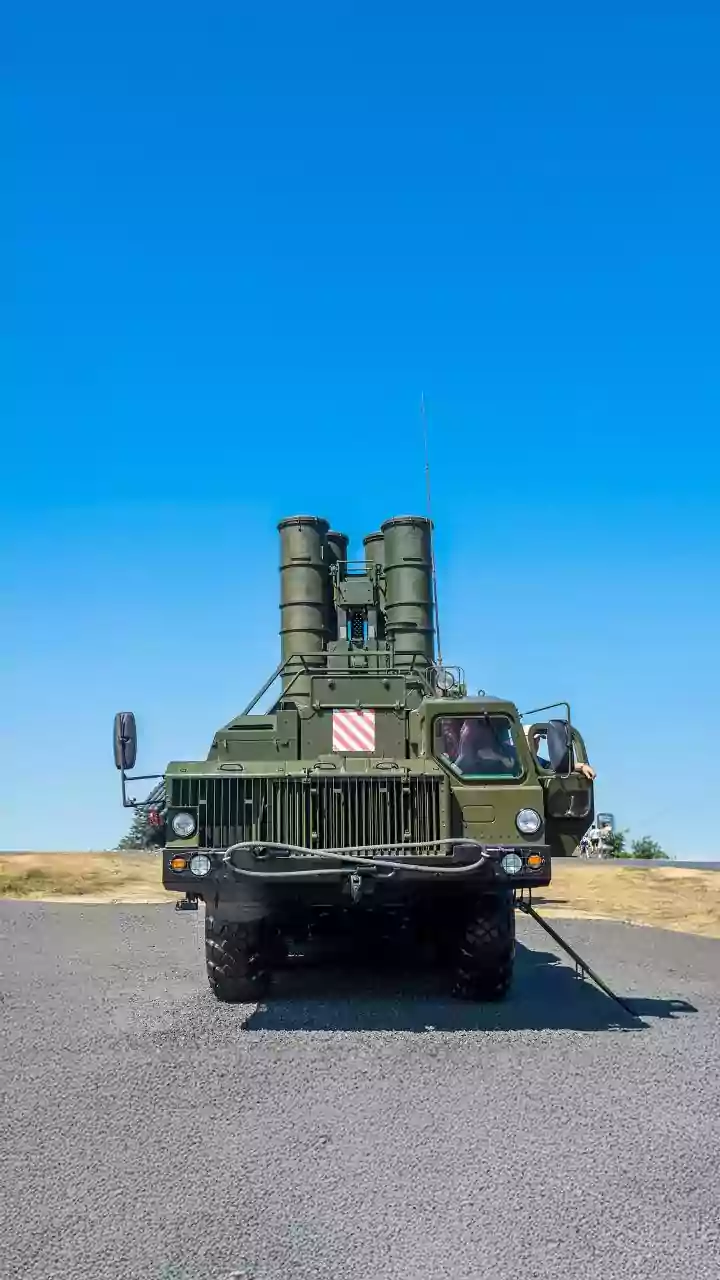
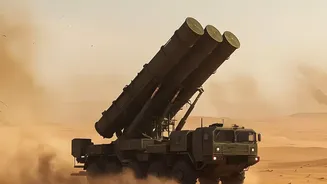
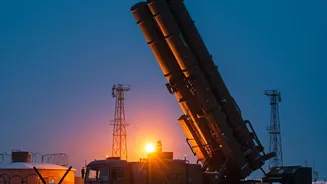
Recent analysis has highlighted a curious overlap: the geographical proximity of many of these vital dams to Iran's sensitive military sites. Experts have pointed to a pattern where areas with significant water infrastructure also appear to be near suspected underground missile facilities, often referred to as 'missile cities'. The theory, while speculative, suggests that some of these massive water projects might have been developed, at least in part, to provide the steady, independent water and power supplies needed for sprawling, concealed military complexes. This has led to accusations that Iran is using its civilian infrastructure as a shield. Whether this proximity is a deliberate strategy or a practical coincidence, it effectively blurs the line between legitimate military objectives and protected civilian objects, creating an enormous strategic and ethical problem.
The Attacker's Impossible Choice
This entanglement presents a nightmare scenario for any military planner. International humanitarian law, specifically Protocol I of the Geneva Conventions, offers special protection to 'works and installations containing dangerous forces', such as dams and dykes. An attack is prohibited if it 'may cause the release of dangerous forces and consequent severe losses among the civilian population'. To knowingly strike a dam and cause a catastrophic flood that kills civilians would be a potential war crime. However, the law also states this protection can cease if the dam is used in 'regular, significant and direct support of military operations' and attacking it is the 'only feasible way' to stop that support. This creates a legal and moral grey area. Ignoring a military facility for fear of hitting a nearby dam could mean leaving a significant threat intact. Attacking it risks devastating collateral damage and international condemnation.
The Challenge for Journalists
This complexity extends directly to the journalists tasked with covering the conflict. Reporting from Iran is already fraught with peril, with the country ranking among the worst for press freedom. Access is severely restricted, sources are often afraid to talk, and the government heavily censors information. The dual-use nature of this infrastructure makes verification nearly impossible. If a dam were damaged during an attack, it would be incredibly difficult for a reporter to independently determine if it was a deliberate targeting of a civilian object, a tragic miscalculation, or a justifiable strike on a military asset co-located with the dam. Both sides could leverage the ambiguity for potent propaganda, accusing the other of war crimes or fabricating justifications. Journalists are caught in the middle, struggling to report the truth from within a carefully constructed fog of war.