






A Position of Strength
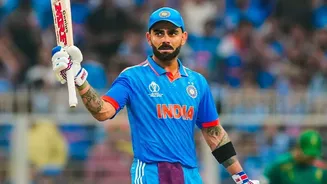
Before the nightmare unfolded, India were in control of the first Test of the 2020-21 Border-Gavaskar Trophy. After posting a competitive 244 in their first innings, led by captain Virat Kohli's 74, their bowlers, spearheaded by Ravichandran Ashwin’s
four wickets, bundled Australia out for 191. This gave the tourists a handy 53-run lead. By the close of play on day two, India had extended that lead to 62 with nine wickets still in hand. The day-night Test seemed to be tilting firmly in their favour. The platform was set for India to bat Australia out of the game.
An Hour of Horror
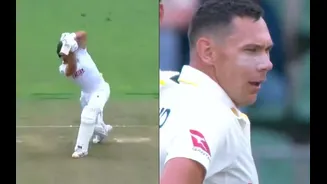
What happened next was one of the most calamitous sessions in Test cricket history. The Australian pace duo of Josh Hazlewood and Pat Cummins produced a spell of relentless, precise, and unplayable fast bowling. Indian batters, one after another, edged the ball to the wicketkeeper or slips. The procession was staggering: Pujara for 0, Rahane for 0, Kohli for 4. In just 21.2 overs, the innings was over. No batsman managed to reach double figures. The final score read 36 for 9, with Mohammed Shami retiring hurt after being hit by a Cummins bouncer, unable to continue. It was India’s lowest total in their entire Test history, eclipsing the previous low of 42 set in 1974.
The Fallout and a Leader's Departure
The cricketing world was in shock. Pundits and former players were scathing, with some calling it India's 'most shameful performance'. The team's technique and mental fortitude were severely questioned. To compound the misery, this was Virat Kohli's last match of the series. He was scheduled to return home on paternity leave. With their captain gone and the team's morale shattered after an eight-wicket defeat, predictions of a 4-0 series whitewash for Australia seemed not just possible, but probable. Indian cricket, it seemed, had truly hit rock bottom.
The Melbourne Redemption
What followed was one of the most remarkable comebacks in sports history. Ajinkya Rahane, now the stand-in captain, was tasked with lifting a broken team. In the Boxing Day Test in Melbourne, he led from the front with what many consider his greatest Test innings. His calm, courageous century (112) was an act of pure defiance. Supported by a brilliant bowling performance from a team that saw two debutants, India dominated the match. They bowled Australia out for 195 and 200, chasing down the target to win by eight wickets and level the series. The impossible suddenly felt possible.
From Disgrace to Glory
The Melbourne victory was no fluke. It was the start of something special. The team, ravaged by injuries to key players like Jasprit Bumrah, Ravindra Jadeja, and Ravichandran Ashwin, showed incredible resilience. They fought tooth and nail to secure a famous draw in the third Test in Sydney. The series decider was at The Gabba in Brisbane, an Australian fortress where they hadn't lost a Test since 1988. A young, depleted Indian side, playing with several rookie players, chased down a mammoth 328 on the final day to clinch the match and the series 2-1.