


The Science of a Simple Soak
Soaking rice isn't just an old wives' tale; it's a simple food science trick that fundamentally changes the grain before it ever hits the heat. When you soak rice, the grains begin to absorb water. This pre-hydration process is crucial because it allows
the starches inside to swell gently and evenly. This ensures that when you cook it, the heat penetrates the grain uniformly, preventing the all-too-common problem of a mushy exterior with a hard, uncooked center. Soaking also shortens the overall cooking time. For aromatic varieties like Basmati, this is a major advantage. The chemical compounds responsible for that beautiful fragrance are volatile and break down with prolonged heat. A shorter cooking time means more of that aroma ends up on your plate. Furthermore, soaking helps break down phytic acid, an anti-nutrient that can interfere with the body's ability to absorb minerals like iron and zinc, making the rice easier to digest.
The Soaking Superstars: When to Soak
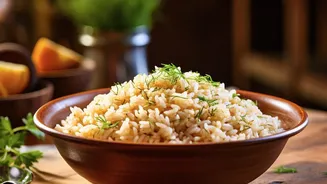
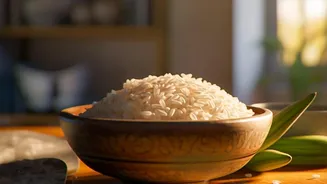
Long-grain, aromatic rices are the prime candidates for soaking. Chief among them is Basmati. Soaking Basmati for at least 30 minutes is a non-negotiable step for achieving its signature long, separate, and fluffy grains. The soaking allows the delicate grains to hydrate fully, which helps them elongate to their maximum length without breaking during cooking. Aged Basmati, which is drier, benefits even more from a good soak. Many traditional raw rice varieties also benefit from this step. Brown rice, with its nutrient-rich bran layer still intact, definitely needs soaking. The bran acts as a barrier, and soaking for several hours helps water penetrate it, leading to a softer texture and a significant reduction in cooking time. For some preparations like biryani, where perfectly cooked, separate grains are the hallmark of the dish, soaking is an essential preparatory step.
When You Can Skip the Soak
Not all rice varieties need this preparatory bath. Parboiled rice, also known as Sella rice, is a great example. This rice has been partially boiled in its husk before milling, a process that gelatinizes the starches. This pre-cooking makes the grains harder and less likely to break, and they cook up fluffy and separate without a pre-soak. While some suggest an optional quick soak for parboiled rice to slightly reduce cooking time, it is not essential for its texture. Sona Masoori, a popular medium-grain rice from Southern India, is another variety where soaking is often considered optional. Many cooks find that a thorough rinse to remove surface starch is sufficient, especially when using a pressure cooker or Instant Pot. For dishes where a stickier, more cohesive texture is desired, such as khichdi, pongal, or rice for idli batter, prolonged soaking is often unnecessary or even counterproductive as it can prevent the grains from breaking down and creating the desired consistency.
A Practical Guide to Soaking
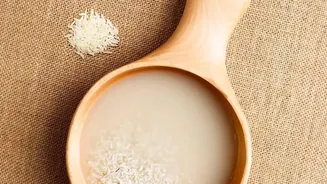
Getting started with soaking is simple. First, always rinse your rice. Swirl the grains in a bowl of cold water and change the water several times until it runs mostly clear. This removes excess surface starch that can make the final dish gummy. Once rinsed, cover the rice with fresh, cool water. As a general rule, a 30-minute soak is a great starting point for most white rice varieties like Basmati. You can soak for up to a few hours, but be mindful that very long soaking times can make the grains more fragile. For brown rice, a longer soak of at least a few hours, or even overnight in the refrigerator, is beneficial. After soaking, it's important to drain the soaking water completely before adding fresh water for cooking. Because the soaked grains have already absorbed some moisture, you'll need to slightly reduce the amount of cooking water you use—typically by a few tablespoons per cup of rice—to avoid a mushy result.