



What Makes Steel-Cut Oats Different?
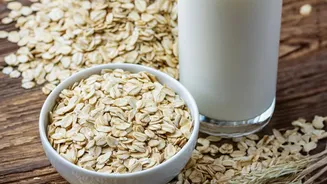
The secret to the signature texture of steel-cut oats lies in their processing—or lack thereof. Unlike rolled oats, which are steamed and flattened, steel-cut oats begin as whole oat kernels, or 'groats'. These groats are simply chopped into two or three
smaller pieces using steel blades. This minimal processing means the grain remains largely intact, preserving its dense structure, bran, and germ. As a result, they take longer to cook, typically 20 to 30 minutes on the stovetop, and have a much coarser, chewier texture compared to the softer, creamier consistency of rolled or instant oats. This robust structure is what gives them their satisfying bite and nutty flavour.
The Anatomy of the Perfect Chew
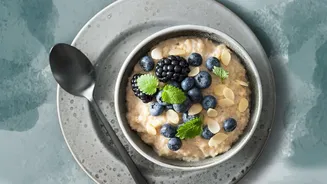
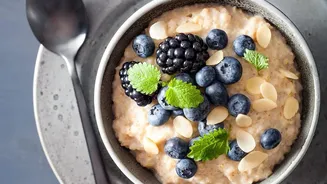
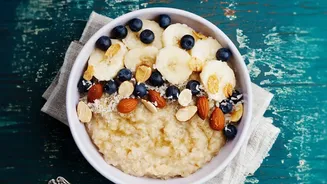
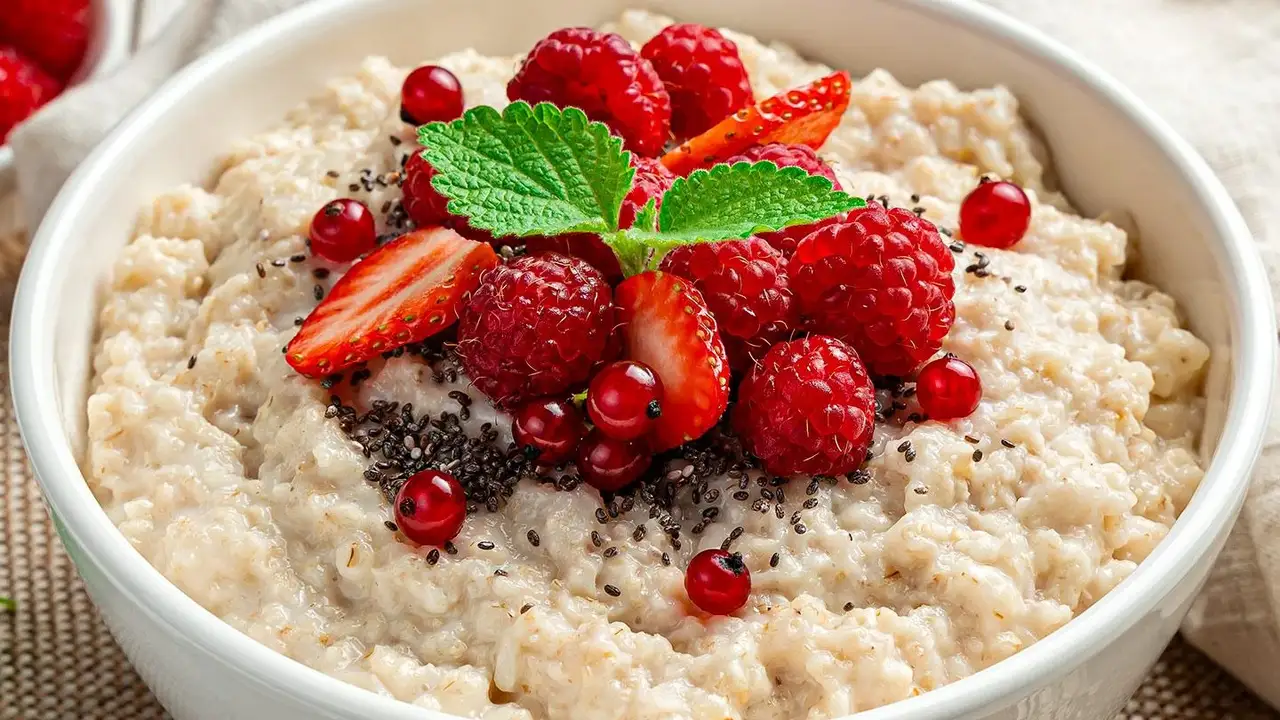
The desirable chewiness of steel-cut oats is a direct result of their dense, compact form. Because they haven't been flattened, the pieces have a smaller surface area, causing them to absorb water much more slowly than their rolled counterparts. This gradual absorption allows the grain to soften without completely breaking down and turning to mush. During the slow simmer, the starches within the oat pieces are gradually released, creating a creamy liquid that surrounds the still-distinct, tender grains. The final texture is a delightful contrast: a silky, porridge-like consistency punctuated by the hearty, toothsome chew of the individual oat pieces. This slow digestion process also helps you feel full for longer.
The Role of Soaking
To soak or not to soak? It’s a common question among steel-cut oat aficionados. Soaking the oats overnight in water serves two main purposes: it softens the grains and reduces cooking time. By hydrating ahead of time, the oats will cook more quickly in the morning, sometimes in as much as 10 minutes. Soaking also begins to break down the starches, which can lead to a creamier final product. If you find steel-cut oats a bit too firm for your liking or are simply short on time, an overnight soak is an excellent strategy. Simply cover the oats with your cooking water in a pot and leave it in the refrigerator overnight.
Mastering the Liquid Ratio
The ratio of liquid to oats is perhaps the most critical variable in controlling texture. A common starting point is a 4:1 ratio of liquid to oats (for example, four cups of water for one cup of oats), which produces a very creamy porridge. For a firmer, chewier texture where the individual grains are more distinct, you can reduce the liquid to a 3:1 ratio. Don't be afraid to experiment to find your personal preference. Using milk or a non-dairy alternative instead of or in addition to water will also contribute to a richer, creamier result. A popular method is to use a combination of water and milk to get both creaminess and prevent scorching.
Cooking Time and Stirring
Patience is key when cooking steel-cut oats on the stovetop. A low and slow simmer is essential. After bringing your liquid to a boil, add the oats, reduce the heat to low, and let them gently bubble away for 20 to 30 minutes. The length of the cook time directly impacts texture: a shorter cook time of around 20 minutes will yield chewier oats, while a longer cook of 30 minutes or more will result in a softer, creamier porridge. Stirring also plays a crucial role. Frequent stirring agitates the oats, encouraging them to release more starch, which thickens the porridge and creates a creamier consistency. For more separate, chewy grains, stir only occasionally to prevent sticking.